
Winter Skincare Routine for Men That Works
Every year it happens the same way. The temperature drops, the heating goes on, and about two weeks later your face feels like it belongs to someone else. It’s tight after washing, rough along the cheeks, flaky around the nose, and weirdly itchy under the beard.
Most guys blame the cold. Some blame their razor. Others just slap on whatever lotion is in the bathroom and hope for the best.
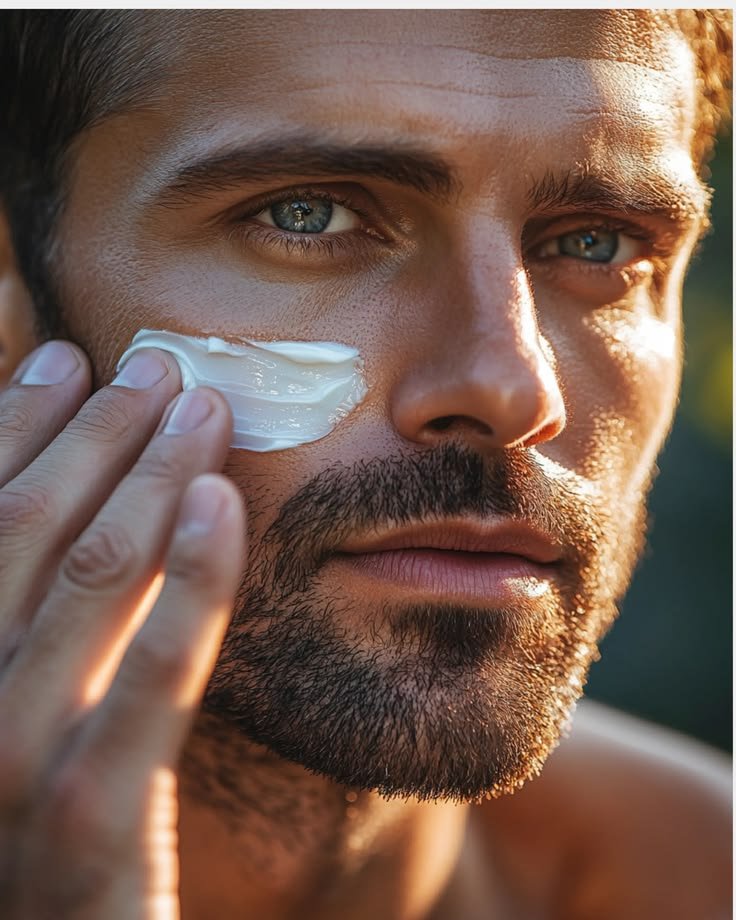
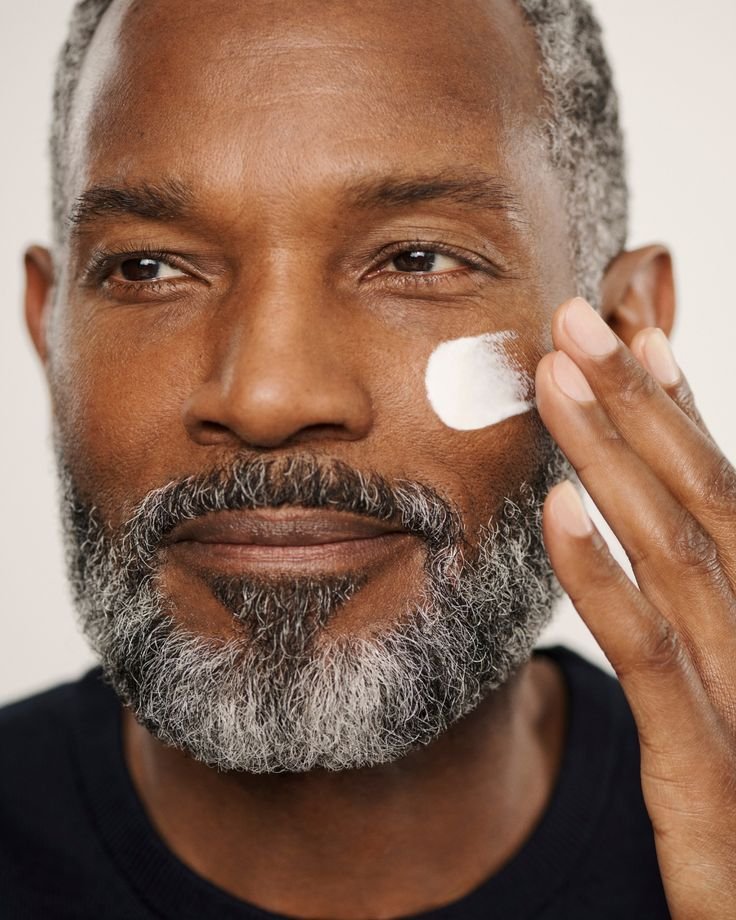
The truth is simpler. Winter doesn’t ruin your skin on its own. It exposes the gaps in a routine that was built for summer.
A good winter skincare routine for men doesn’t need ten products or a shelf full of serums. It needs a gentler cleanser, a richer moisturizer, daily sunscreen, and a few habit changes that cost nothing.
This guide walks you through exactly that. You’ll learn why skin dries out in cold weather, how to build a men’s winter skincare routine you’ll actually follow, and how to prevent dry skin in winter without wasting money on products you don’t need.
Quick Summary
- Cold air and indoor heating pull moisture out of your skin. Your barrier gets weaker, which is why winter skin feels tight, flaky, and reactive.
- A winter skincare routine for men needs only four steps: gentle cleanser, moisturizer, sunscreen in the morning, and a richer moisturizer at night.
- The best winter moisturizer for men is usually a cream or ointment, not a thin lotion. Look for ceramides, glycerin, hyaluronic acid, and petrolatum.
- Hot showers, foaming scrubs, and fragrance-heavy products make dryness worse. Warm water and fragrance-free formulas are safer.
- Keep wearing SPF 30 or higher. Winter UV is lower, but it isn’t gone.
- Go easy on retinol, exfoliating acids, and shaving. Cut back the frequency before your skin forces you to.
- If dryness turns into cracking, bleeding, or constant itching that doesn’t improve in a couple of weeks, see a dermatologist.
Why Your Skin Gets Worse in Winter
Before we build the routine, it helps to understand the problem. Once you see what winter does to your skin, every step in the routine makes more sense.
Cold, Dry Air Weakens Your Skin Barrier
The outer layer of your skin, called the stratum corneum, works like a brick wall. The skin cells are the bricks, and lipids such as ceramides, cholesterol, and fatty acids are the mortar. When the mortar is intact, water stays in, and irritants stay out.
Winter attacks that wall from two directions at once. Outdoors, the air is cold and low in humidity. Indoors, central heating dries it out even further.
A review in the Journal of the European Academy of Dermatology and Venereology concluded that low humidity and low temperatures reduce skin barrier function and make skin more vulnerable to mechanical stress. The same review noted that skin becomes more reactive to irritants and allergens in these conditions.
That explains why a product you’ve used for months can suddenly sting in January.
Your Skin Loses Some of Its Natural Lipids
Seasonal changes go deeper than surface dryness. A study published in Archives of Dermatological Research found that stratum corneum lipid levels were significantly lower in winter than in spring and summer.
Fewer lipids mean a leakier barrier. A leakier barrier means more water escapes, and that shows up as tightness, rough texture, and flaking.
It Starts Fast
You don’t need weeks of exposure for this to begin. In a lab model published in the International Journal of Cosmetic Science, researchers found that just one hour of low-humidity exposure increased water loss through the outer skin layer and weakened proteins involved in barrier function.
That was a lab model, not a real face, so don’t read it as a precise timeline for your skin. But it supports a simple idea: repeated exposure to dry air adds up.
Men’s Habits Often Make It Worse
This part isn’t about biology; it’s about routine. A lot of men do the following in winter:
- Take long, very hot showers to warm up
- Use a harsh bar soap or body wash on the face
- Skip moisturizer because “it feels greasy”
- Shave with a dull blade on already irritated skin
- Forget sunscreen because the sun isn’t strong
Every one of these chips away at the barrier. The good news is that every one of them is easy to fix.
Common Winter Skin Problems Men Deal With
Dry, Flaky Patches
Flakes around the nose, eyebrows, cheeks, and jawline are the classic sign. Your skin is shedding unevenly because the barrier isn’t holding enough water. Scrubbing them off makes it worse. Moisture fixes it; friction doesn’t.
Tightness After Washing
If your face feels tight and squeaky right after cleansing, your cleanser is stripping too much. In winter, that feeling is a warning, not a sign that your skin is “clean.”
Redness and Windburn
Cold wind and sudden temperature changes irritate the skin, especially across the cheeks and nose. If the redness hangs around, a soothing routine and fewer active ingredients usually help. If you’re curious about calming ingredients, our sister site Review Dermatica has a breakdown of azelaic acid in Anua’s serum, which many people use for redness-prone skin.
Beard Itch and Beard Dandruff
The skin under your beard is skin first and hair second. When it dries out, it gets itchy and flaky, and those flakes get trapped in the hair. Men often assume it’s a dandruff problem and reach for a medicated shampoo when what they actually need is moisture and a gentler wash.
Chapped Lips and Dry Hands
Lips and hands have very little oil of their own, so they crack first. A simple balm on your lips and a hand cream by the sink do more than most people expect.
The Best Winter Skincare Routine for Men (Simple 4-Step Plan)
Here’s the core of the whole guide. This men’s winter skincare routine takes about three minutes in the morning and three at night. If you want the broader framework behind routines like this, our Regimen Protocols hub covers the full system.
Morning Routine

Step 1: Rinse or Cleanse Gently
In winter, you often don’t need a full cleanse in the morning. A splash of lukewarm water is enough for many men with normal or dry skin.
If you feel oily or you used a heavy night cream, use a gentle, non-foaming or low-foaming cleanser. Oily skin can still use a creamy formula in winter. If you like a gel-style wash, our CeraVe Foaming Facial Cleanser review covers who it suits and who should skip it in colder months.
The American Academy of Dermatology recommends warm water instead of hot water and gentle, fragrance-free products for dry winter skin. That applies to your face as much as your body.
Step 2: Moisturize While Skin Is Still Damp
Pat your face with a towel, leaving it slightly damp, then apply moisturizer within a minute or so. This traps water that’s already on your skin.
Use a pea-to-grape-sized amount for the whole face. If your skin drinks it up quickly, add a little more. Winter skin is thirstier than summer skin.
Step 3: Sunscreen, Every Morning
Yes, even in winter. UV levels drop, but they don’t disappear, and snow and bright cold days can still expose you to a lot of it. Use SPF 30 or higher.
If heavy sunscreens feel like a chore, try a lighter formula. Our guide to the best sunscreen for men is the place to start, and our list of no-white-cast sunscreens for men helps if you have darker skin or hate the chalky look.
Evening Routine
Step 1: Cleanse Off the Day
At night, you do need to wash away sunscreen, sweat, and pollution. Use the same gentle cleanser, lukewarm water, and your hands only. Skip washcloths and brushes in winter, because they add friction your barrier doesn’t need.
Step 2: Treat (Only If Your Skin Can Handle It)
This is optional. If your skin is calm, you can use one active such as niacinamide or a low-strength retinol. If your skin is already tight, flaky, or stinging, skip it completely and just moisturize.
Step 3: Moisturize Richer
Use a thicker cream at night. This is where winter skin does most of its repair work, so don’t be shy. If your cheeks are especially dry, apply a thin layer of moisturizer first, then a small amount of a balm-style product on top to seal it in.
For a deeper look at how a balm-type product works as a sealing layer, see Review Dermatica’s Medicube PDRN Pink Collagen Volume Multi Balm review.
Best Winter Moisturizer for Men: What to Look For
Searching for the best winter moisturizer for men can get confusing fast. Every brand claims to be “intense” and “deeply hydrating.” Here’s how to read past the marketing.
Cream or Ointment Beats Lotion
The American Academy of Dermatology recommends using a cream or ointment instead of a lotion for dry skin, since thicker formulas hold moisture better. That’s good news, because it means you don’t need to spend a lot. You need the right texture.
Think of it this way:
- Lotions are thinner and more water-based. They’re fine for summer or oily skin.
- Creams are thicker and work for most men in winter.
- Ointments and balms are the richest. They’re best for very dry areas like cheeks, hands, and lips.
Ingredients Worth Looking For
A good winter moisturizer usually combines three types of ingredients:
- Humectants like glycerin and hyaluronic acid pull water into the skin.
- Emollients and barrier lipids like ceramides, cholesterol, and fatty acids smooth the skin and help rebuild the barrier.
- Occlusives like petrolatum, dimethicone, and shea butter form a seal that slows water loss.
If you want to go deeper on why these ingredients work together, our Molecular Breakdown section explains the chemistry in plain language.

Ingredients to Be Careful With
Skip or limit products with heavy fragrance, high-percentage alcohol, and strong menthol or camphor. They can sting and dry out already stressed skin.
Our Picks for Winter
CeraVe Daily Moisturizing Lotion
A good all-rounder if your skin is normal to slightly dry. It’s light enough to wear under sunscreen and includes ceramides and hyaluronic acid. If your skin gets very dry, you can move up to a thicker option later in the season. Read our full CeraVe Daily Moisturizing Lotion review for the details.
CeraVe Moisturizing Cream
If the lotion isn’t rich enough, the tub version is the step up. It’s thicker and works well at night. Review Dermatica has a full CeraVe Moisturizing Cream review and a comparison of CeraVe vs Cetaphil moisturizers if you’re deciding between brands.
Kiehl’s Facial Fuel
A popular men’s option with a smooth, quick-absorbing feel. Some men prefer it because it doesn’t feel heavy, which helps if you hate greasy moisturizers. Our Kiehl’s Facial Fuel review covers what it does well and where it falls short.
How to Prevent Dry Skin in Winter for Men (Daily Habits That Matter)
Products help, but habits do just as much. If you want to know how to prevent dry skin in winter for men, start here before you buy anything.
Fix Your Shower First
Long, hot showers feel great in January, and they wreck your skin. Hot water strips oils faster than warm water does.
- Keep showers short
- Use warm, not hot, water
- Wash your face separately with gentle products
- Pat dry, don’t rub
- Moisturize within a few minutes of getting out
Add Humidity to Your Room
Indoor heating drops humidity fast. A humidifier in your bedroom helps your skin recover overnight. If you notice static shocks when you touch things, your air is probably very dry.
Cover Up Outside
Scarves, hats, and gloves protect skin from wind and cold. A scarf over your lower face on windy days makes a real difference to cheeks and chin.
Watch What Touches Your Skin
Rough wool, scratchy collars, and some laundry detergents can irritate dry skin. Soft cotton next to the skin and a fragrance-free detergent can reduce itching.
Protect Your Lips and Hands
Carry a lip balm. Keep hand cream near every sink. These are small habits, but they prevent the cracks that are hardest to heal.
Winter Shaving and Beard Care
Shaving is where winter skin problems often get worse. The razor removes the top layer of skin along with the hair, which is the last thing a stressed barrier needs.
Shave After You Warm the Skin
Shave after a warm shower, not before. The warmth and water soften the hair and make shaving easier on the skin.
Use a Sharp Blade and Fewer Passes
A dull blade drags and irritates. Replace blades often and avoid going over the same spot repeatedly.
Skip Alcohol Aftershave
Splash-on aftershaves with high alcohol content sting and dry. Use a fragrance-free balm or moisturizer instead. For a deeper protocol, see our guide on post-shave care in the Regimen Protocols section.
Beard Itch Fix
If you have a beard, use the same gentle cleanser on your beard area, then moisturize the skin underneath, not just the hair. A few drops of a lightweight beard oil can help, but the skin needs moisturizer first. Don’t over-wash the beard in winter, because that strips the skin underneath.
If your scalp is also feeling dry or itchy, you may also be curious about our review of The Ordinary Hair Density Serum, though treat anything that tingles with caution while your skin is irritated.
Should You Use Retinol and Exfoliants in Winter?
Short answer: yes, but carefully.
Retinol
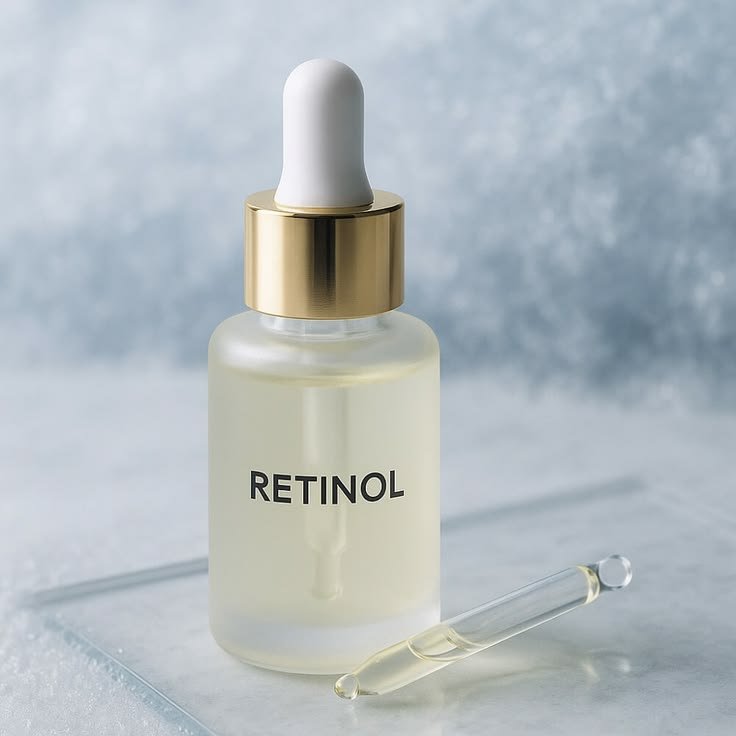
Retinol speeds up cell turnover, which is good for texture and long-term skin health. It can also cause dryness and peeling, which is the last thing winter skin needs.
If you already use retinol, consider using it less often in winter, perhaps two or three nights a week, and apply moisturizer first as a buffer. If you’re new to it, wait until your skin feels stable. To understand what retinoids actually do, read our guide to retinoids and cell turnover.
Niacinamide vs Retinol in Winter
If your skin feels fragile, niacinamide is usually the gentler choice. It’s less likely to cause peeling and can support the barrier. Our comparison of niacinamide vs retinol for men explains which one fits which skin type.
Exfoliating Acids and Peels
This is where most men go wrong in winter. Scrubs, strong AHAs, BHAs, and peel-style products can push already stressed skin over the edge. If your skin is flaky, don’t scrub it. Scrubbing the flakes only creates more irritation.
If you do exfoliate, keep it to once a week or less and use a mild formula. For context on how strong peeling products work, you can read Review Dermatica’s Dr. Melaxin Peel Shot review, which shows why these products need careful handling.
Hydrating Serums
A simple hyaluronic acid serum can help skin hold water, especially under a cream. Apply it to damp skin and seal it with moisturizer. If you want to see how one popular hydrating serum compares, check out Review Dermatica’s Torriden Dive-In Serum review.
Don’t Skip Sunscreen in Winter
This is one of the most common mistakes in men’s skincare. People stop wearing SPF the moment the weather cools down.
UV radiation doesn’t switch off in winter. Snow can reflect light back at you, and long drives or outdoor work add up. The AAD recommends SPF 30 or higher as part of daily skin protection.
If you aren’t sure which SPF level is right for you, Review Dermatica explains the difference between SPF 30 and SPF 50. For daily wear, the best sunscreen is the one you’ll actually put on.
A few good starting points:
- CeraVe sunscreen SPF 30 is a simple, affordable everyday option.
- EltaMD UV Clear Broad-Spectrum SPF 46 is a favorite for men with oily or acne-prone skin.
- If you’re comparing two high-end options, see Review Dermatica’s EltaMD UV Clear vs Supergoop Unseen Sunscreen breakdown.
Winter Skincare Mistakes Men Make
- Using the same summer routine. Your skin changed, so your routine should too.
- Washing too often. Twice a day is plenty, and sometimes once is enough.
- Over-exfoliating. Flaky skin needs moisture, not scrubbing.
- Using scented body products on the face. Fragrance is a common irritant. Review Dermatica’s Sol de Janeiro Bum Bum Cream review is a good example of why strongly scented body creams don’t belong on a stressed face.
- Starting too many products at once. If you break out or sting, you won’t know what caused it.
- Skipping the neck and ears. These areas get just as dry.
- Forgetting the eye area. Thin skin under the eyes dries and shows fine lines faster in winter. If you want a simple option, see Review Dermatica’s The Inkey List eye cream review.
Frequently Asked Questions
What is the best winter skincare routine for men?
The best winter skincare routine for men is a simple one. Cleanse gently, moisturize with a cream while your skin is still damp, wear SPF 30 or higher in the morning, and use a richer moisturizer at night. Add actives only if your skin is calm.
How do I stop dry skin on my face in winter?
Use lukewarm water, switch to a gentle fragrance-free cleanser, and moisturize right after washing. Add a humidifier, and cut back on scrubs and strong actives until your skin recovers.
What is the best winter moisturizer for men?
Look for a cream or ointment with ceramides, glycerin, hyaluronic acid, and petrolatum or a similar occlusive. Fragrance-free options are safer for sensitive skin. Which exact product is best depends on how dry your skin gets.
Do men need sunscreen in winter?
Yes. UV exposure is lower in winter, but it still happens, especially on bright days and around snow. SPF 30 or higher is the standard recommendation.
Why is my beard so itchy in winter?
Dry air and over-washing dry out the skin under the beard. Wash less aggressively, moisturize the skin itself, and consider a light beard oil on top. If itching continues, check with a dermatologist.
Final Thoughts
A winter skincare routine for men doesn’t have to be complicated, expensive, or time-consuming. Most of the damage comes from a few predictable things: hot water, harsh cleansing, thin moisturizers, and skipped sunscreen.
Fix those, and your skin will usually settle down within a couple of weeks.
Start small. Swap your cleanser, upgrade your moisturizer, turn down the shower temperature, and keep wearing SPF. Add one thing at a time, and let your skin tell you what it needs.
Winter skincare for men is really just about protecting the barrier you already have. Do that consistently, and dry, flaky, irritated skin becomes the exception, not the rule.
For more routines built around the same simple approach, explore the rest of the Gent Armor library, starting with our Regimen Protocols.