
The Complete Guide to Building a Men’s Skincare Regimen Protocol
Most skincare advice online is written like a single-serving answer — one product, one problem, one quick fix. But real skin health doesn’t work that way. It’s built through regimen protocols: structured, repeatable routines designed around specific concerns, applied consistently over weeks and months rather than treated as a one-off purchase decision.

That’s exactly the gap this page is meant to fill. Instead of another isolated tip, think of this as the master framework behind everything else on this site. Whatever specific issue brought you here — thinning hair, razor burn, breakouts, or just not knowing what order to apply things in — there’s a dedicated regimen protocol built around it, and this guide walks you through how they all fit together.
Why “Regimen Protocols” Matter More Than Individual Products
Here’s a pattern worth noticing: two men can use the same cleanser, the same moisturizer, even the same active ingredient, and get completely different results. The difference rarely comes down to the product itself — it comes down to the regimen protocol built around it. Order of application, frequency, consistency, and how products are combined all matter as much as the ingredients themselves.
A regimen protocol isn’t about buying more. It’s about applying the right things in the right order, at the right frequency, for long enough to actually see change. Skin — like muscle, like any biological system — responds to structured input over time, not scattered effort.
That’s the philosophy behind every protocol on this site, and it’s why we’ve broken things down by specific concern rather than giving one generic “skincare routine for men” that ignores what’s actually going on with your skin or hair.
Hair & Scalp Regimens — Where Most Men Start Too Late
Hair and scalp health is one of the most neglected areas in men’s grooming, largely because most men only start paying attention once thinning or shedding becomes visible — at which point a good amount of preventable damage may have already happened.


A proper hair and scalp regimen isn’t just about which shampoo you buy. It’s about scalp circulation, follicle health, sebum buildup, and the specific ingredients that support hair retention versus the ones that quietly work against it. Our Hair & Scalp Regimens protocol breaks down exactly how to structure a routine around these factors — what to use, how often, and what early warning signs are worth paying attention to before thinning becomes noticeable.
If you’ve never thought about your scalp as something with its own dedicated regimen protocol the way your face has one, this is the place to start.
Shaving & Post-Shave Barrier Protocol — The Routine Most Men Get Backwards
Shaving is one of the most physically aggressive things most men do to their skin on a regular basis, and yet it’s usually treated as an afterthought — a quick pass with a razor and maybe some aftershave that stings on purpose because “that means it’s working.” It doesn’t.
Every shave temporarily damages the skin barrier, and how you handle that damage afterward determines whether you end up with smooth, calm skin or a face dealing with razor burn, ingrown hairs, and chronic irritation. A proper shaving and post-shave barrier protocol addresses pre-shave prep, blade technique, and — critically — the recovery period immediately after, when the barrier is at its most vulnerable.
Our Shaving & Post-Shave Barrier Protocol covers this full sequence in detail, including which ingredients actively support barrier recovery post-shave versus which ones (like alcohol-heavy aftershaves) actively work against it. If shaving irritation has been a recurring issue for you, the fix usually isn’t a better razor — it’s a better protocol around the razor.
Men’s Acne & Pore Control — Consistency Over Aggression
Acne and clogged pores are where the “more is better” mentality causes the most damage. The instinct when breakouts show up is to attack harder — stronger cleanser, more frequent exfoliation, drying out every ounce of oil on the face. In practice, this approach almost always backfires, triggering more oil production and more irritation, not less.
An effective men’s acne and pore control regimen protocol is built around balance: controlling excess oil and unclogging pores without stripping the skin barrier to the point that it overcompensates. This means the right cleansing frequency, the right exfoliation schedule (not daily, despite what aggressive routines suggest), and targeted ingredients that address pore congestion without triggering a rebound breakout cycle.
Our Men’s Acne & Pore Control protocol lays out exactly how to build this balance — including how to tell the difference between hormonal breakouts, congestion-based acne, and irritation that only looks like acne but is actually a barrier problem in disguise.
AM/PM Routines — Where Every Protocol Comes Together
This is the page that ties everything else together. Regimen protocols only work when they’re actually structured into your day — and that structure looks different in the morning versus at night, because your skin has different needs and different vulnerabilities at each point in the day.
Morning routines are primarily about protection: preparing the skin to face UV exposure, pollution, and daily stressors. Evening routines are primarily about repair: giving actives like retinoids, peptides, or acne treatments the uninterrupted time they need to work while skin naturally regenerates overnight.
Getting this AM/PM structure wrong is one of the most common reasons other regimen protocols underperform — applying a retinoid in the morning under sunscreen, for example, or skipping SPF because “it’s just a routine step” undermines results you’d otherwise be seeing. Our AM/PM Routines protocol maps out exactly what belongs in each part of the day, and in what order, so every other regimen — hair, shaving, acne, or otherwise — actually has the daily structure to succeed.
How To Choose The Right Regimen Protocol For You
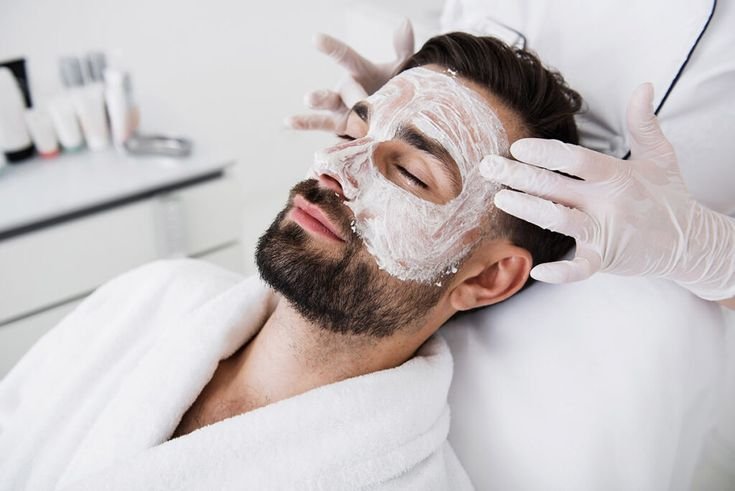
You don’t need to follow every protocol on this site at once. The smarter approach is identifying your primary concern first, then building outward from there.
If hair thinning or scalp health is your main concern, start with Hair & Scalp Regimens. If shaving irritation, razor burn, or ingrown hairs are the recurring issue, the Shaving & Post-Shave Barrier Protocol is the direct fix. If breakouts or clogged pores are the priority, Men’s Acne & Pore Control is built specifically around that. And regardless of which specific concern you start with, the AM/PM Routines protocol should sit underneath all of it, since it’s the daily framework that makes every other protocol actually work.
Layering these together over time — rather than trying to fix everything simultaneously — is how a real regimen protocol gets built. Skin and hair don’t respond well to sudden, aggressive overhauls; they respond to structure, consistency, and patience.
The Bigger Picture Behind Regimen Protocols
It’s worth stepping back and naming what actually separates a regimen protocol from a random collection of products: intention. Every step in a well-built protocol exists for a specific biological reason — supporting the barrier, managing oil production, protecting against UV damage, or giving actives time to work without interference.
Review Dermatica has published extensive research breaking down how different active ingredients perform across various skin types and routines — their findings are a useful reference point if you want to understand the science behind why certain protocol structures work better than others.
The goal of every protocol on this site is the same: replace guesswork with structure. Whether that’s your hair, your shave, your breakouts, or your daily AM/PM routine, the underlying idea doesn’t change — small, consistent, correctly-sequenced actions compound into real results over time. Random effort doesn’t.
Frequently Asked Questions About Regimen Protocols
1: What is a "regimen protocol" and how is it different from a regular skincare routine?
A regimen protocol is a structured, intentional sequence of steps built around a specific concern — like acne, shaving irritation, or hair thinning — rather than a generic collection of products applied without much thought. The key difference comes down to purpose and sequencing.
A regular routine might involve using whatever products are on the shelf in whatever order feels convenient. A regimen protocol, on the other hand, is built with a clear biological reasoning behind every step: what problem it’s solving, why it needs to happen at that point in the sequence, and how often it needs to be repeated to actually produce results.
This matters because skin and hair respond to consistency and correct sequencing far more than they respond to product quantity or intensity. Two men using identical products can get very different results simply based on whether they’re following a real regimen protocol or just applying things randomly. That’s why every concern on this site — hair and scalp, shaving, acne, and daily AM/PM structure — has its own dedicated protocol instead of one generic “skincare routine for men” that ignores individual differences.
2: Do I need to follow all four regimen protocols at once, or should I focus on just one?
You don’t need to tackle everything simultaneously, and trying to do so is actually one of the most common mistakes men make when they first get serious about their routine. The better approach is identifying your primary concern first and building outward from there gradually. Here’s how to think about prioritization:
- If hair thinning, shedding, or scalp health is your biggest concern, start with the Hair & Scalp Regimens protocol before adding anything else.
- If shaving irritation, razor burn, or ingrown hairs are a recurring issue, the Shaving & Post-Shave Barrier Protocol should be your starting point.
- If breakouts, clogged pores, or excess oil are the main frustration, Men’s Acne & Pore Control is the direct fix to begin with
- Regardless of which specific protocol you start with, the AM/PM Routines protocol should be layered in early, since it’s the daily framework that determines whether your other protocols actually have the structure to work.
Trying to overhaul everything at once tends to overwhelm both your routine and your skin, often leading to inconsistency or irritation from too many new products introduced simultaneously. A regimen protocol works best when it’s built one layer at a time.
3: How long does it take to see results from following a regimen protocol?
Timelines vary depending on which specific regimen protocol you’re following and what concern it’s addressing, but there’s a general pattern across most of them. In the first 1-2 weeks, most men notice basic changes in comfort and consistency — skin or scalp feeling less irritated, shaving feeling smoother, or breakouts becoming slightly more manageable, simply from following a structured approach instead of random effort. Between weeks 3-6, more meaningful changes typically start appearing, such as visibly reduced razor burn, fewer active breakouts, or early improvements in scalp condition, as the regimen protocol has had enough time to actually influence the underlying biological processes involved.
By weeks 8-12 and beyond, the most significant, often life-changing results tend to show up — whether that’s noticeably calmer skin, reduced hair shedding, or a shaving routine that no longer causes irritation at all. The common thread across every regimen protocol on this site is that consistency matters more than intensity; skipping steps or applying them inconsistently significantly extends these timelines, sometimes indefinitely.
4: Can I customize a regimen protocol, or do I need to follow it exactly as written?
Every regimen protocol on this site is built as a strong, evidence-based starting framework, but some level of customization is expected and even encouraged, since no two men have identical skin, hair, or lifestyle factors. What shouldn’t be changed is the underlying logic — the order of steps and the reasoning behind why certain actives or ingredients are used at specific points in the routine, since this sequencing is based on how skin and hair actually respond biologically, not arbitrary preference.
What can reasonably be adjusted includes specific product choices within each step (as long as they serve the same function), frequency adjustments based on how your skin or scalp responds during the first few weeks, and pacing adjustments if you’re introducing a regimen protocol alongside sensitive or reactive skin that needs a slower ramp-up. If you’re ever unsure whether a modification is reasonable, the safest approach is adjusting frequency or product strength rather than skipping steps entirely or changing the sequence itself.
5: Why does the AM/PM Routines protocol matter even if I'm already following another specific protocol like acne control or shaving care?
This is one of the most overlooked aspects of building an effective regimen protocol. Even a well-designed protocol for a specific concern — like acne or shaving — can underperform significantly if it’s not placed correctly within your daily AM/PM structure. Morning and evening routines serve fundamentally different biological purposes: mornings are primarily about protection, preparing skin to withstand UV exposure and daily environmental stress, while evenings are about repair, giving active ingredients the uninterrupted time they need to work while skin naturally regenerates overnight.
A common mistake is applying treatment-focused steps from a protocol like Men’s Acne & Pore Control at the wrong time of day, or skipping SPF because it doesn’t feel connected to the specific concern being addressed. In reality, the AM/PM Routines protocol acts as the daily scaffolding underneath every other regimen protocol, determining whether ingredients are protected, absorbed, and given the right conditions to actually perform as intended. Skipping this step often means undermining the very results the other protocols are designed to deliver.
Final Thoughts
A regimen protocol isn’t a trend or a marketing term — it’s simply the difference between skincare that works and skincare that doesn’t, applied consistently enough to actually matter. Explore the specific protocol that matches what you’re dealing with right now, but keep in mind that these four areas — hair and scalp, shaving, acne and pore control, and AM/PM structure — aren’t meant to be treated in isolation. Together, they form the complete framework this entire site is built around.