
Post-Shave Barrier Repair Protocol: Stop Razor Burn & Irritation 2026
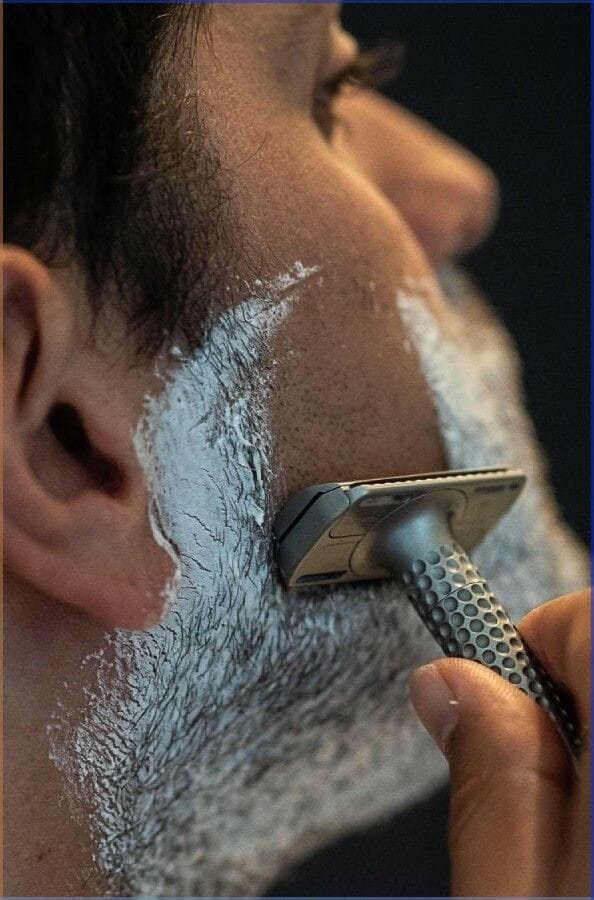
Every time a traditional razor blade passes over your face, it removes far more than just unwanted facial hair. It shears away active layers of the stratum corneum, which serves as the primary protective shield of human skin. This mechanical friction induces micro-tears, strips essential lipid structures, and initiates subclinical inflammation. When this outer shield is damaged, classic post-shave issues like razor burn, persistent stinging, redness, ingrown hairs, and trans-epidermal water loss quickly follow.
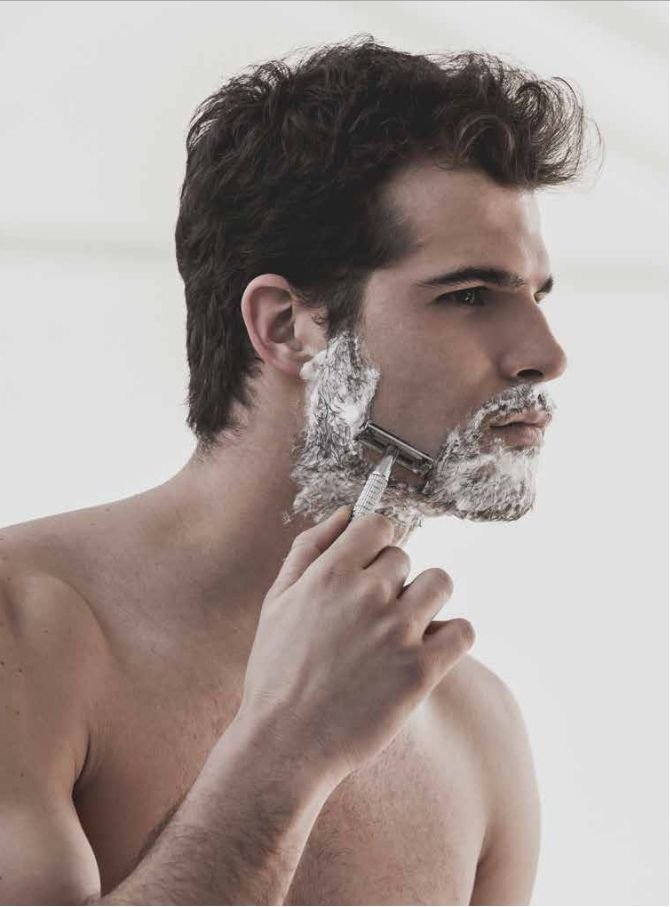
Most commercial aftershaves rely on heavy alcohol or synthetic fragrances that aggravate damaged skin tissue. To maintain peak skin performance and eliminate irritation, modern men require an evidence-based Post-Shave Barrier Repair Protocol. By adopting a structured Men’s Post-Shave Barrier Protocol, you can accelerate tissue recovery, preserve moisture, and build long-term resistance against razor damage.
The Biological Impact of Shaving on Male Epidermal Structure
To effectively repair skin damaged by shaving, we must analyze the physical impact of a razor on living tissue. Understanding these biological dynamics allows us to build an effective Post-Shave Barrier Repair Protocol.
The Stratum Corneum and the Extracellular Matrix
The outermost layer of the skin, the stratum corneum, relies on a brick-and-mortar arrangement:
- Keratinocyte cells function as structural bricks filled with natural moisturizing factors.
- Intercellular lipids act as mortar, formed by a balanced mixture of ceramides, free fatty acids, and cholesterol.
When a razor glides across the face, even with lubricated shaving cream, the steel edge cuts facial hair while scraping off multiple layers of keratinocytes. This mechanical process strips away the lipid mortar and exposes vulnerable lower epidermal layers to bacteria and atmospheric irritants. Implementing a consistent Post-Shave Barrier Repair Protocol helps restore this essential shield.
Trans-Epidermal Water Loss and Inflammation
Without a functional lipid barrier, hydration escapes rapidly from the dermis in a process known as Trans-Epidermal Water Loss (TEWL). Micro-damage to skin cells triggers an immediate immune reaction, causing blood vessels to dilate. This leads to visible redness, surface heat, and stinging. Following a structured Men’s Post-Shave Barrier Protocol helps minimize TEWL and calm inflammatory responses after shaving.
Why Traditional Aftershaves Harm Compromised Skin
Standard post-shave astringents often delay natural healing. Understanding these ingredients helps explain why a targeted Post-Shave Barrier Repair Protocol is necessary:
- Denatured Alcohol: Kills surface bacteria but strips natural lipids, increases TEWL, and causes intense stinging on fresh micro-tears.
- Synthetic Fragrances: Often cause contact allergies and increase redness on compromised skin tissue.
Synthetic Sensitizers: The Invisible Hazard of Menthol & Alcohol Denat
Traditional men’s aftershaves heavily utilize menthol or camphor to induce an artificial “cooling” sensation. Mechanically, these agents trigger TRPM8 sensory receptors to trick the brain into sensing cold, while simultaneously causing vascular irritation and cellular contact cytotoxicity on exposed epidermal micro-tears. Eliminating synthetic cooling sensitizers is essential for authentic razor burn skin barrier repair.
A comprehensive Post-Shave Barrier Repair Protocol replaces harsh astringents with bio-compatible ingredients that support skin recovery.
Phase 1: Immediate Post-Shave Calming and Inflammation Control
The first minute after shaving is critical for long-term barrier preservation. A proper Post-Shave Barrier Repair Protocol focuses on reducing surface heat and stopping micro-bleeding without stripping moisture.
Microbiome Preservation: Defending the Epidermal Acid Mantle
Beyond mechanical friction, razor blades strip away beneficial surface microflora that regulate skin immunity. A modern Post-Shave Barrier Repair Protocol actively preserves the skin’s acid mantle (maintaining an optimal pH between 4.5 and 5.5). Using acidic or pH-balanced bioactives post-shave prevents pathogenic bacteria like Cutibacterium acnes from opportunistic colonization while restoring essential microbial balance to damaged tissue.
1. Temperature-Controlled Rinsing
Rinsing with hot water breaks down natural skin lipids and increases redness, while freezing water restricts blood flow and traps inflammatory signals in the tissue. Rinsing with cool to tepid water cleanses residual shaving products while soothing sensitive nerve endings.
2. Applying Soothing Mists and Hydrosols
After rinsing, applying alcohol-free soothing sprays introduces essential hydration. High-performance formulas include soothing post-shave ingredients that calm irritation and speed up cell recovery:
- Centella Asiatica Extract: Rich in asiaticoside and madecassoside, which reduce cellular stress and support micro-wound recovery.
- Hypochlorous Acid: A non-irritating antimicrobial agent that neutralizes surface bacteria without damaging natural skin fats.
- EGCG Green Tea Extract: A strong antioxidant that protects fresh micro-tears from environmental stressors.
Integrating soothing post-shave ingredients immediately after shaving creates an optimal environment for razor burn skin barrier repair.
Phase 2: Restoring the Lipid Matrix and Cellular Moisture
Once initial inflammation subsides, the next step of the Post-Shave Barrier Repair Protocol focuses on lipid replacement and moisture retention.
Replacing Essential Biological Lipids
Effective razor burn skin barrier repair relies on topical application of lipids naturally found in healthy skin:
- Physiological Cholesterol: Restores flexibility and strength to the outer skin layer.
- Ceramides (NP, AP, EOP): Rebuild structural links between surface skin cells.
- Free Fatty Acids: Help maintain healthy surface acidity and defend against harmful microbes.
Applying these lipid elements within a Men’s Post-Shave Barrier Protocol supports natural recovery and strengthens the skin against future razor friction.
Layering Active Hydration
Applying humectants like hyaluronic acid or beta-glucan on damp skin draws moisture deeper into the epidermis. Following up with soothing post-shave ingredients ensures long-lasting hydration throughout the day. You can review advanced routine designs on our Regimen Protocols page. Occlusive Barrier Sealing: The Post-Shave Moisture Sandwich Technique
To lock in deep biological hydration, high-performance routines implement an occlusive sealing layer. After applying humectants and ceramides, a light breathable occlusive (such as phytosqualane, ectoin, or dimethicone-based barrier creams) is applied. This creates a semi-permeable protective shield that lowers TEWL while allowing the skin underneath to breathe and cellularly repair without clogging hair follicles.
Phase 3: Long-Term Protection and Preventing In-Grown Hairs
Preventing recurring razor burn and ingrown hairs requires an ongoing Post-Shave Barrier Repair Protocol designed for daily maintenance.
Managing Follicular Inflammation
Ingrown hairs occur when shaved hair tips curl back into the hair follicle or surrounding skin tissue. Rather than using harsh physical scrubs, a proper Men’s Post-Shave Barrier Protocol utilizes gentle chemical exfoliants like polyhydroxy acids (PHAs) or lipo-hydroxy acid (LHA). These ingredients smooth skin texture without disrupting cellular repair.
Daily UV Protection for Damaged Skin
Newly shaved skin is highly susceptible to UV-induced inflammation and hyperpigmentation. Incorporating lightweight, non-comedogenic mineral sunscreens (like zinc oxide) into your Post-Shave Barrier Repair Protocol protects delicate skin tissue while preventing long-term damage.
Key Ingredients for Modern Post-Shave Care
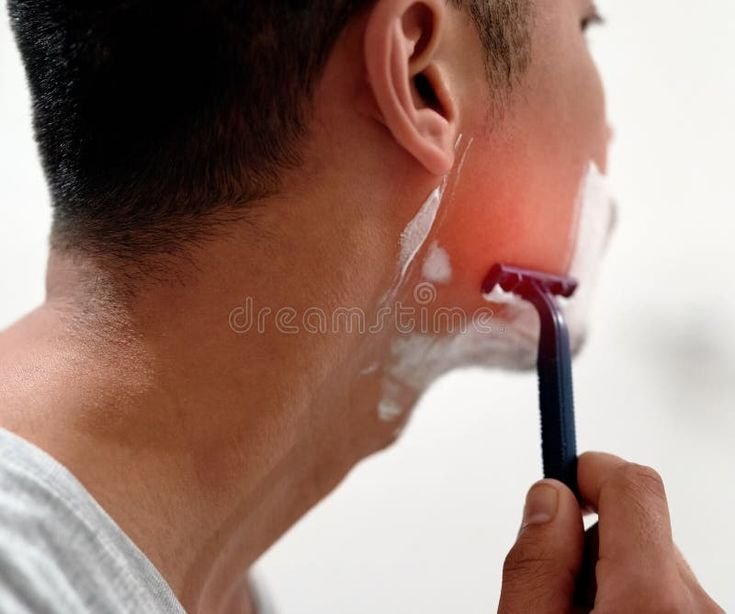
Selecting the right ingredients ensures your Post-Shave Barrier Repair Protocol delivers consistent results:
- Panthenol (Vitamin B5): Enhances deep hydration, improves skin elasticity, and supports natural tissue repair.
- Allantoin: Soothes micro-irritation and promotes smooth skin cell shedding.
- Beta-Glucan: Provides strong moisture retention and outperforms hyaluronic acid in soothing sensitive skin.
- Colloidal Oatmeal: Offers clinical relief from itching, scaling, and razor burn.
Prioritizing formulas rich in soothing post-shave ingredients creates a strong foundation for effective razor burn skin barrier repair. To explore deeper molecular formulations, visit our guide on Molecular Breakdown and read more about cellular turnover mechanics at Retinoids & Cell Turnover. For broader clinical testing standards and cross-dermatological reviews, explore research published by Review Dermatica.
Step-by-Step Daily Execution of the Protocol
To achieve optimal results, execute this Post-Shave Barrier Repair Protocol consistently after every shave:
- Cleanse and Prep: Wash your face with warm water and a non-stripping cleanser before shaving to soften hair fibers.
- Shave with Care: Use a sharp blade and a rich, lubricating shaving cream, gliding smoothly in the direction of hair growth.
- Cool Rinse: Rinse remaining cream off with cool water to soothe skin tissue.
- Apply Active Hydration: Mist the face with soothing post-shave ingredients to calm initial redness.
- Barrier Reconstruction: Layer a ceramide-rich moisturizer to support razor burn skin barrier repair.
- Sun Protection: Finish with a broad-spectrum mineral sunscreen during daytime routines.
Adopting this Men’s Post-Shave Barrier Protocol transforms post-shave irritation into healthy, resilient skin.
Frequently Asked Questions (FAQ)
1. How long does it take for a Post-Shave Barrier Repair Protocol to fix severe razor burn?
Although the timeline depends on individual skin health and shaving mechanics, the healing process follows a distinct biological timeline:
Phase 1: Immediate Symptomatic Relief (15 to 30 Minutes)
Sensation Neutralization: Cooling anti-inflammatory agents (like Centella Asiatica or Panthenol) rapidly reduce surface heat, burning, and acute stinging.
Vascular Calming: Active soothe-agents contract micro-blood vessels on the epidermis, minimizing visible redness (erythema) within minutes of application.
Phase 2: Cellular Stabilization & Hydration Lockdown (2 to 12 Hours)
TEWL Reduction: The protocol seals the microscopic tears in the outer skin layer, stopping Trans-Epidermal Water Loss (TEWL) and retaining internal moisture.
Micro-Tear Sealing: Active humectants (like Hyaluronic Acid and Glycerin) pull moisture into the damaged epidermal layer to jumpstart tissue repair.
Phase 3: Structural Stratum Corneum Repair (24 to 72 Hours)
Lipid Matrix Reconstruction: Biomimetic ceramides, cholesterol, and fatty acids synthesize with the skin to rebuild the damaged stratum corneum.
Full Biological Recovery: The skin’s protective barrier is fully restored to its normal baseline level, resolving deep-layer inflammation and micro-abrasions completely.
Key Influencing Factors: Complete structural recovery time (24–72 hours) varies depending on shave technique, blade sharpness, razor pressure, and pre-existing barrier integrity.
2. Can I use a Post-Shave Barrier Repair Protocol if I have acne-prone skin?
Yes, absolutely. In fact, utilizing a barrier repair protocol is essential for preventing acne-prone skin from deteriorating after shaving. Here is how it actively protects and heals prone skin:
Pore-Safe & Non-Comedogenic Formulations
No Pore-Clogging Oils/Waxes: Modern barrier protocols eliminate heavy Occlusives (like Petrolatum, Coconut Oil, or Shea Butter) that trigger follicular occlusion.
Bio-Compatible Actives: Uses lightweight, non-comedogenic ingredients like Micro-encapsulated Ceramides, Squalane, and Niacinamide that strengthen the barrier without clogging pores.
Infection & Breakout Prevention (Pseudofolliculitis Barbae)
Micro-Tear Defense: Shaving creates invisible cuts on the skin. Sealing these micro-tears immediately prevents acne-causing bacteria (P. acnes) from invading deeper skin layers.
Pathogen Control: Ingredients like Hypochlorous Acid (HOCl) act as non-irritating antimicrobial agents, sanitizing micro-abrasions and neutralizing inflammation before bumps form.
Seated Sebum Balance & Inflammation Control
Sebum Regulation: Niacinamide (Vitamin B3) works simultaneously to repair the skin barrier, control excessive oil production, and calm post-shave redness.
Barrier-Acne Loop Interruption: A compromised skin barrier actually triggers more sebum production as a defense mechanism. Restoring barrier integrity breaks this vicious cycle, leading to fewer long-term breakouts.
3. Should I avoid active ingredients like retinoids after using this protocol?
Yes. You should strictly avoid applying high-potency actives—including prescription or over-the-counter retinoids, pure L-ascorbic acid (Vitamin C), and high-strength AHA/BHA exfoliants—immediately following a shave. Shaving acts as a form of physical exfoliation; combining it with potent chemical actives on compromised tissue drastically elevates the risk of chemical burns and severe contact dermatitis. Allow your Post-Shave Barrier Repair Protocol to soothe, rehydrate, and re-establish epidermal integrity for at least 12 to 24 hours before reintroducing aggressive actives into your regimen.
4. What is the difference between standard aftershave balms and a specialized Men’s Post-Shave Barrier Protocol?
Standard aftershave balms are typically superficial cosmetic formulas designed merely to fragrance the skin or provide brief surface moisture via heavy synthetic emulsifiers and film-formers. They rarely restore lost epidermal components. In contrast, a clinical Post-Shave Barrier Repair Protocol directly targets the underlying histology of shaving trauma. It delivers precise ratios of physiological lipids (ceramides, cholesterol, free fatty acids) and targeted anti-inflammatory agents to repair cellular micro-tears, lower systemic cytokine responses, and rebuild the natural skin barrier from within.
5. Why are soothing post-shave ingredients like Ceramides essential after shaving?
Shaving mechanically strips away native lipids that form the intercellular “mortar” keeping your skin barrier strong and resilient. Ceramides make up over 50% of this natural barrier; without them, moisture rapidly evaporates, and environmental irritants enter freely. Applying lipid-replenishing soothing post-shave ingredients like Ceramides (specifically Ceramide NP, AP, and EOP) directly restores these lost essential fats, seals micro-damage, prevents critical moisture loss, and ensures long-term razor burn skin barrier repair.
Editorial & Clinical Trust
Reviewed & Authored by the GentArmor Lab Editorial Team
At GentArmor, our content and protocol architectures are built on strict clinical dermatology, molecular barrier analysis, and rigorous ingredient evaluation. We cut through marketing fluff to deliver evidence-backed grooming and skin health protocols for the modern man.
- Clinical & Scientific Review Board: Formulated in alignment with modern dermatological research on epidermal barrier repair, lipid replacement therapy, and inflammatory skin mechanics.
- Editorial Standards: Every protocol undergoes multi-stage technical testing to guarantee non-comedogenic safety, ingredient synergy, and peak biological performance.