
Men’s Acne & Pore Control: How to Unclog Pores & Stop Breakouts (Guide 2026)
Men’s Acne & Pore Control is one of the most searched — and most misunderstood — topics in male grooming. Most men are told to “just wash your face” and move on. But breakouts, blackheads, and enlarged pores in men are driven by a very specific biological factor: androgen-fueled sebum production.
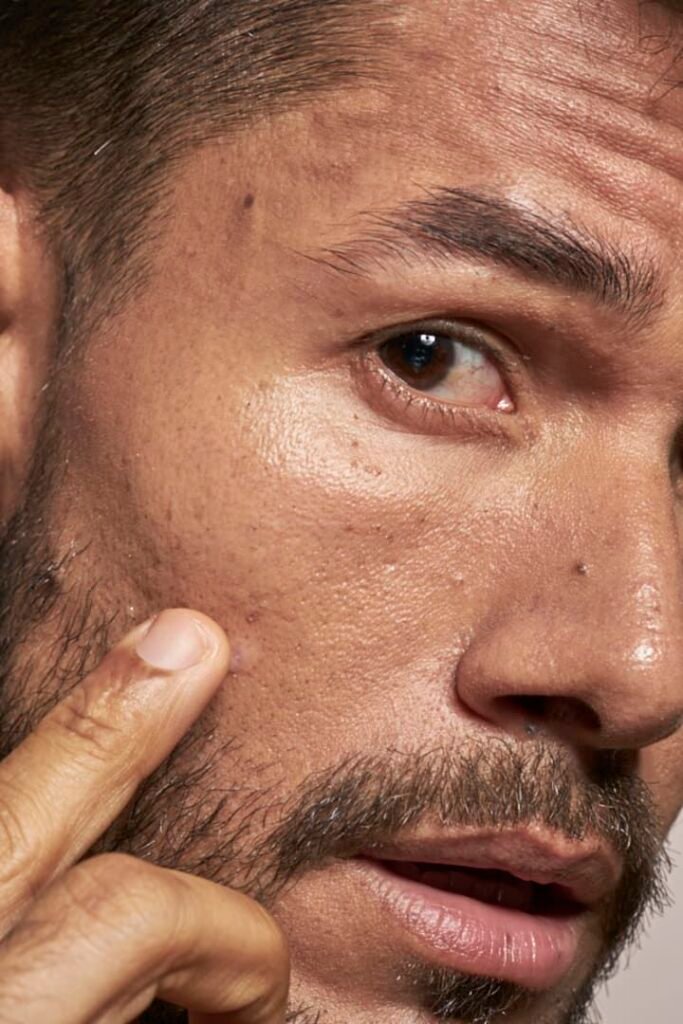
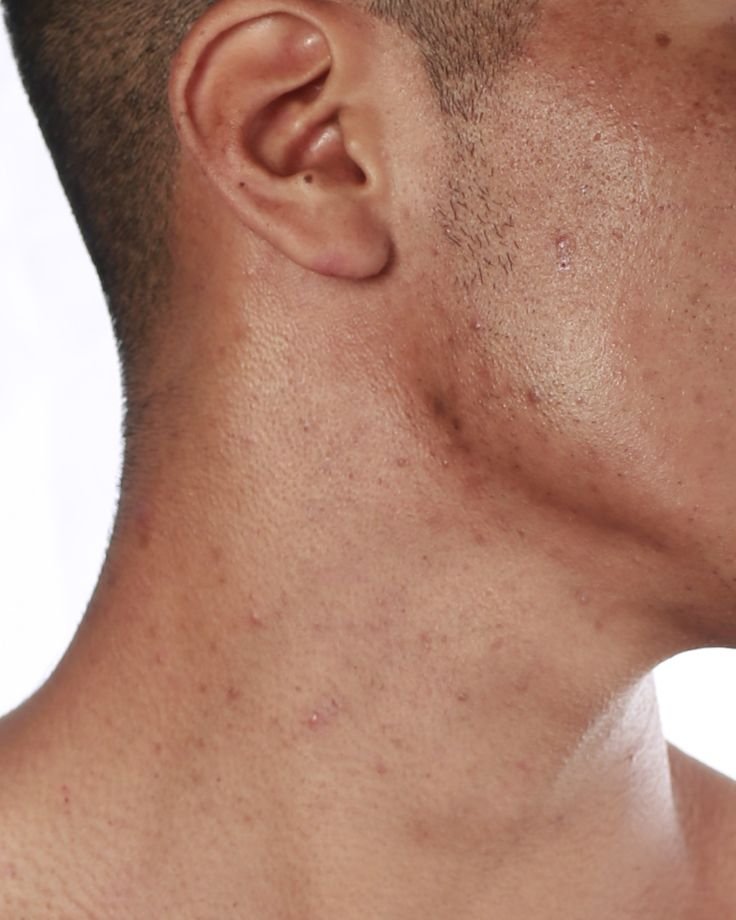
Unlike generic skincare advice built for women’s skin, effective Men’s Acne & Pore Control requires understanding male sebaceous gland behavior, choosing clinically proven actives, and building a routine that actually keeps pace with male oil output. This guide breaks down the science, the ingredients, and the step-by-step protocol.
For the full regimen library, you can also check our Regimen Protocols hub for related routines.
Quick Summary
- Men produce significantly more sebum than women due to higher androgen (testosterone) exposure and larger sebaceous glands.
- Salicylic Acid (BHA) penetrates oil-filled pores and has been shown to reduce sebum levels by roughly 22–24% in clinical trials.
- Niacinamide for oil control works through a separate pathway, lowering sebum excretion rate while also calming inflammation.
- Combining a BHA cleanser/serum with a niacinamide layer is the most evidence-backed approach for Men’s Acne & Pore Control.
- Consistency (8–12 weeks) matters more than high concentrations.
- Over-washing and harsh scrubbing typically make excess sebum production in men worse, not better.
Why Men’s Acne & Pore Control Needs a Different Approach
Men’s skin is not just “an oilier version of women’s skin.” It is structurally and hormonally distinct, and that distinction is the entire reason Men’s Acne & Pore Control deserves its own protocol.
Sebaceous Glands Are More Active in Men
Male facial skin contains a higher density of sebaceous glands, and those glands carry more androgen receptors than female skin. Research summarized by dermatology sources notes that male baseline testosterone levels run roughly 10–15 times higher than female levels, and this gap correlates directly with higher sebum output. Mensclearskin
Clinical literature has gone further, showing that hormone exposure — not gender itself — is the controlling factor:
- A classic testosterone-injection study found that raising testosterone in adult men increased both sebum output and sebaceous gland size over 11 weeks Acne.org.
- Men who lack functional androgen signaling (due to rare genetic conditions) were found to produce little to no sebum at all, confirming that androgens directly control oil production Acne.org.
- Broader dermatology reviews confirm that sebum production rises after puberty, specifically in males due to androgen secretion, which is also why acne tends to persist longer in men Dermalogica.
The T-Zone Is Ground Zero
Facial skin carries the highest concentration of sebaceous glands on the entire body, and the forehead, nose, and chin carry the densest concentration of androgen-sensitive glands. This is why breakouts and clogged pores in men cluster so heavily in the T-zone — it isn’t random, it’s hormonal geography.
Why This Matters for Product Selection
Because excess sebum production in men is androgen-driven rather than just “dirt and oil,” surface-level cleansing alone rarely solves the problem. Effective Men’s Acne & Pore Control depends on actives that either:

- Physically dissolve oil inside the pore lining (like salicylic acid)
- Modulate the oil-production pathway itself (like niacinamide)
For a deeper look at how skin actives work at the molecular level, see our Molecular Breakdown section.
Salicylic Acid (BHA): The Core of Men’s Acne & Pore Control
If there is one ingredient every Men’s Acne & Pore Control routine should include, it is salicylic acid.
What Makes Salicylic Acid Different
Salicylic Acid (BHA) is oil-soluble, which is a critical distinction. Most acids sit on the surface of the skin. Salicylic acid does not — it travels into the sebum itself.
- It is classified as a beta-hydroxy acid (BHA), naturally lipophilic in structure.
- It can act as a keratolytic and comedolytic agent — meaning it breaks down dead skin cell buildup while also unclogging pores directly. Biosciences Biotechnology Research Asia.
- Because it is oil-soluble, it penetrates sebum-filled follicles to dissolve the mixture of oil and dead skin cells that causes blackheads and congestion. The Derma Co.
The Clinical Evidence
This isn’t marketing language — it’s measured in trials.
- A 21-day prospective clinical trial found that a salicylic acid gel reduced sebum levels by 23.65%, increased skin hydration by 40.5%, and improved acne severity scores by 23.81%, all statistically significant results. NIH
- The same study reported that 100% of participants reported satisfaction with oil control and acne reduction, with only mild transient itching in 5% of users. NIH.
- A separate consumer-facing clinical summary reported that daily use of 2% salicylic acid reduced sebum production by nearly 24% within three weeks, with effects building progressively from the first few days. Nooance.
How to Use It
- Concentration: 0.5%–2% for daily use (higher percentages are for occasional treatments, not daily wear)
- Format: Cleanser for mild cases, leave-on serum/toner for moderate-to-persistent breakouts
- pH matters: Salicylic acid is inactive above pH 4.5, so formulation quality genuinely affects results. The Derma Co
- Frequency: Start every other night, build to nightly as tolerance allows
Niacinamide for Oil Control: The Second Pillar
While salicylic acid works inside the pore, niacinamide for oil control works upstream — at the gland level.
The Mechanism
Niacinamide (vitamin B3) doesn’t dissolve oil. It regulates how much oil the gland produces in the first place, and it does this through more than one pathway.
- Research suggests niacinamide appears to inhibit 5α-reductase, the enzyme that converts testosterone into DHT — the hormone that stimulates sebaceous glands to produce more oil Ocemida.
- It also has anti-inflammatory activity; reviews note niacinamide suppresses certain inflammatory pathways involved in redness and sebaceous gland activity Typology.
The Clinical Evidence
- A landmark split-population trial across Japanese and Caucasian subjects found a considerably lower sebum rate after 2 and 4 weeks of niacinamide use — 21.8% reduction versus 10.6% in the placebo group Typology.
- A separate review of niacinamide research reported a 22% sebum reduction figure, alongside a visually significant reduction in pore size in trial participants. Ocemida.
- Combination studies found that adding niacinamide to standard acne treatment produced a 51% reduction in noninflammatory acne lesions compared to 34% with the base treatment alone. Journal of Clinical and Aesthetic Dermatology.
Effective Concentration Range
Based on current clinical literature:
- 2% niacinamide — the concentration most consistently linked to sebum-reduction results in trials
- 4–5% niacinamide — the range with the deepest overall clinical evidence base across multiple skin concerns
- Higher concentrations (10%+) are not shown to add extra oil-control benefit — more is not automatically better.
Building a Men’s Acne & Pore Control Routine (AM/PM)
Here is a practical structure that pairs both actives without over-stripping the skin barrier.
Morning Routine
- Gentle, low-pH cleanser (avoid foaming sulfates that strip natural oils and trigger rebound oiliness)
- Niacinamide serum (2–5%) — apply to damp skin
- Lightweight, oil-free moisturizer
- Broad-spectrum SPF (non-negotiable, especially if using actives at night)
Evening Routine
- Double cleanse if wearing SPF or sweat buildup from the day
- Salicylic acid serum or toner (start 2–3x per week, build tolerance)
- Niacinamide can be layered on off-nights or mixed into the same routine once skin adjusts
- Barrier-supporting moisturizer to offset any dryness from the BHA
For barrier-specific guidance, our Retinoids & Cell Turnover page covers how to safely combine exfoliating actives with cell-turnover ingredients without over-exfoliating.
Weekly Additions
- 1x clay mask for T-zone congestion (optional, not essential)
- Spot-check new products on the jawline for 3–5 days before full-face use
Common Mistakes That Sabotage Men’s Acne & Pore Control
Men often unintentionally make excess sebum production worse. Watch for these:

- Over-washing: Stripping oil signals the skin to overproduce more oil in response
- Skipping moisturizer: Oily skin still needs hydration — dehydrated skin often overcompensates with more sebum
- Mixing too many actives at once: Combining BHA, retinoids, and high-strength vitamin C simultaneously often triggers irritation, not faster results
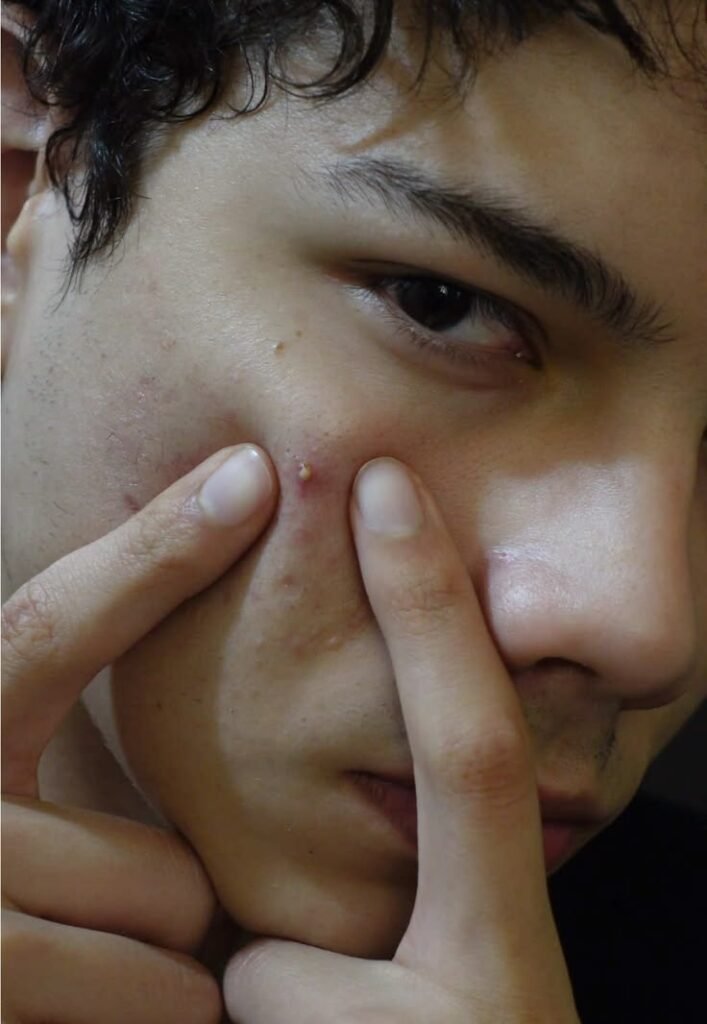
- Popping/picking: Increases inflammation and post-acne marks, especially on androgen-dense T-zone skin
- Inconsistent use: Sebum-reduction effects in the clinical studies above took 2–4 weeks minimum to show up
Ingredients That Pair Well (and Ones to Watch)
| Pairs Well With BHA/Niacinamide | Use With Caution |
|---|---|
| Ceramide moisturizers | High-strength AHAs (same night) |
| Lightweight hyaluronic acid | Strong retinoids (same night as BHA) |
| Mineral SPF | Physical scrubs |
| Clay (weekly, not daily) | Alcohol-heavy toners |
Frequently Asked Questions (FAQ)
Q1: Is Men's Acne & Pore Control different from women's acne skincare?
Answer: Yes, male skin physiology requires a specialized approach due to distinct biological differences. Male skin is influenced by higher testosterone and androgen levels, leading to approximately 15% to 20% thicker dermal structures and significantly larger pore sizes compared to female skin.
Because male sebaceous glands produce considerably more sebum (oil), men are generally more prone to deep pore-clogging and persistent comedones. Furthermore, daily facial shaving creates micro-tears in the skin barrier, making it essential for men’s acne products to balance high-potency oil control with intense barrier-repair agents.
Q2: Can salicylic acid and niacinamide be used together for male acne?
Answer: Yes, combining Salicylic Acid (BHA) and Niacinamide is one of the most effective, evidence-based strategies for managing male acne and dilated pores. BHA is lipid-soluble, allowing it to penetrate deep inside the hair follicle to dissolve excess oil and dead skin cells.
Meanwhile, Niacinamide acts as a potent anti-inflammatory agent that regulates sebum excretion rates at the cellular level while strengthening the lipid barrier. When used together—either layered or formulated in a single product—they target both the root cause of pore congestion and the resulting inflammation.
Q3: How long does it take to see visible results from a pore control routine?
Answer: Initial improvements in skin texture and surface shine control are typically visible within 2 to 4 weeks of consistent routine adherence. During this early phase, lipid-dissolving actives like BHA begin unclogging active follicular blockages.
For significant structural changes—such as reduced pore appearance and a noticeable decrease in inflammatory acne—clinical trials show peak results occur between 8 and 12 weeks. This timeframe aligns with the skin’s natural cellular turnover cycle, requiring long-term consistency for sustained results.
Q4: How does shaving affect male acne and enlarged pores?
Answer: Shaving acts as a physical exfoliant, but when done incorrectly, it can severely aggravate active breakouts and enlarged pores. Using dull blades or shaving over active inflammatory acne introduces bacteria into open micro-cuts, leading to folliculitis and severe post-shave irritation.
Additionally, improper post-shave care can strip the skin’s moisture barrier. In response, the skin triggers a compensatory mechanism called hyperseborrhea—producing even more oil to compensate for dryness, which ultimately clogs pores further.
Q5: Will using pore-minimizing actives cause skin purging in men?
Answer: Yes, experiencing a temporary “purging phase” is normal when introducing active ingredients like Salicylic Acid or Retinoids into your routine. These ingredients accelerate skin cell turnover, rapidly bringing pre-existing micro-comedones (hidden clogged pores) to the surface faster than usual.
A typical purging period lasts between 2 and 4 weeks and usually manifests as small whiteheads in areas where you normally break out. If irritation, severe redness, or breakouts occur in previously clear zones beyond 6 weeks, it indicates barrier damage rather than purging, requiring a reduction in active ingredient frequency.
Q6: Can enlarged facial pores actually shrink permanently?
Answer: Pore size is largely determined by genetics and androgen levels, meaning pores cannot be physically erased or permanently shrunk. Pore walls lack muscle tissue, so they cannot open or close like doors.
However, their optical appearance can be drastically reduced. By clearing internal keratin blockages with salicylic acid and boosting surrounding collagen support through retinoids or niacinamide, stretched pore walls tighten back to their natural, minimal diameter.
Q7: Should men with acne-prone skin skip moisturizer?
Answer: Skipping moisturizer is one of the most counterproductive mistakes men with acne can make. When skin is dehydrated by harsh acne washes, it signals the sebaceous glands to produce excess compensatory oil, exacerbating both acne and pore dilation.
The key is selecting oil-free, non-comedogenic moisturizers rich in ceramide or hyaluronic acid. These replenish the skin’s protective moisture barrier without occluding pores or triggering new breakouts.
Q8: What is the ideal daily skincare routine order for male acne and pore control?
Answer: An effective morning routine should follow a streamlined three-step sequence: a gentle gel cleanser with BHA or Zinc, a hydration-restoring light moisturizer or Niacinamide serum, and a lightweight, non-greasy SPF. Protection against UV radiation is critical, as UV rays break down collagen surrounding pore walls, causing them to sag and appear larger.
In the evening, focus on targeted treatment. Cleanse thoroughly to remove daily pollutants and excess sebum, apply active treatments (such as Retinoid or Salicylic Acid) on dry skin, and finish with a barrier repair moisturizer to promote overnight skin recovery.
Final Summary
Men’s Acne & Pore Control isn’t about harsher products — it’s about targeting the actual biology behind excess sebum production in men. Salicylic Acid (BHA) clears what’s already clogging the pore. Niacinamide for oil control addresses the gland activity feeding future breakouts. Used together, consistently, over 8–12 weeks, this pairing has the strongest clinical backing of any over-the-counter approach available today.
For more evidence-based skincare research and reviews, visit Review Dermatica.
Sources referenced: Journal of Cosmetic Dermatology (Wiley), NCBI/PMC clinical trial data, Journal of Investigative Dermatology, ScienceDirect (Cutaneous Androgen Metabolism), and peer-reviewed niacinamide sebum studies.