
Scalp Care for Men: How to Build the Right Routine
Most men think carefully about shampoo, conditioner, beard oil, and hairstyling products—but rarely think about the skin underneath their hair: the scalp. That is a mistake. Your scalp is skin, and like the skin on your face, it can become dry, oily, flaky, itchy, inflamed, or clogged with buildup.
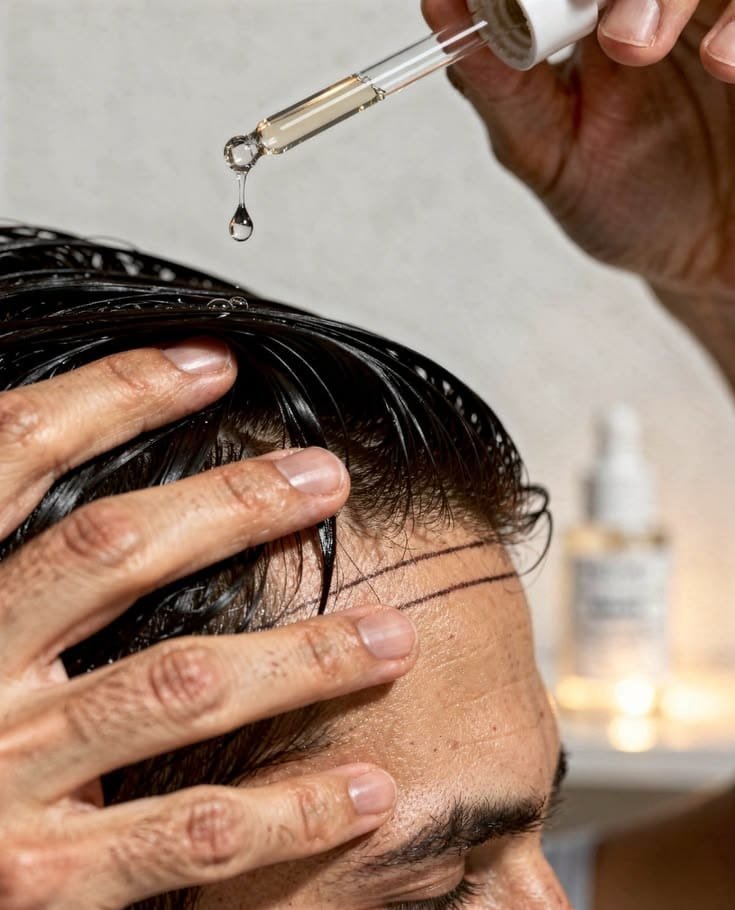
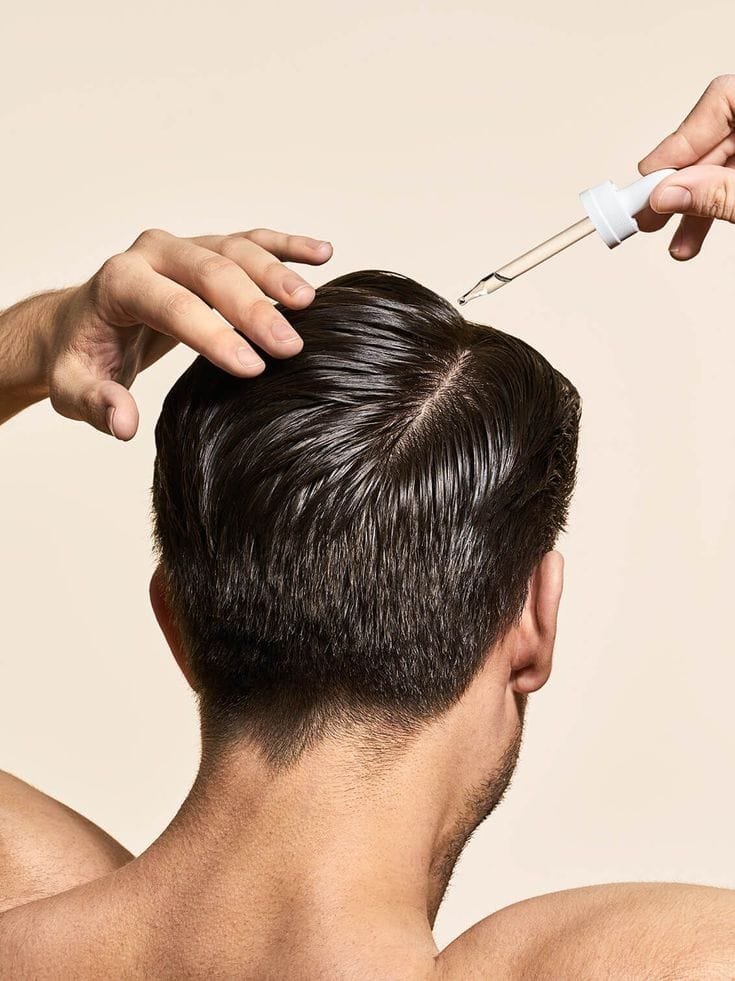
Scalp care for men is not about using ten products or copying an influencer’s complicated routine. It is about understanding what your scalp needs, removing buildup gently, treating common problems such as dandruff and itchiness, and recognizing when hair thinning needs medical attention.
This guide covers a practical scalp care routine for men, including how to wash properly, how to deal with scalp buildup, which ingredients actually work, and when to see a dermatologist. Whether your scalp is oily, dry, sensitive, flaky, or starting to thin, you will find a clear plan below.
Quick Summary: The Men’s Scalp Care Routine
If you want the short version first, follow these principles:
- Wash based on your scalp type. Oily scalps often need more frequent washing; dry or sensitive scalps usually need less.
- Use a gentle shampoo most days you wash. A scalp that feels overly tight after washing may be getting stripped too much.
- Treat dandruff with an active ingredient, such as zinc pyrithione, ketoconazole, selenium sulfide, salicylic acid, or coal tar.
- Exfoliate only when needed. Scalp exfoliation can help with buildup, but too much can irritate the skin.
- Do not confuse dandruff with dry scalp. Dandruff is often linked to seborrheic dermatitis, while dry scalp is more often caused by barrier damage, hot water, weather, or harsh products.
- Keep heavy oils, waxes, and styling products away from the scalp if you get greasy roots, flakes, or clogged follicles.
- Protect your scalp from the sun, especially if you have short hair, a shaved head, a wide parting, or thinning areas.
- See a dermatologist if you have pain, sores, swelling, sudden hair loss, patchy hair loss, scarring, or no improvement after four weeks of treatment.
What Is Scalp Buildup?
Scalp buildup is a layer of material that collects on the scalp and hair over time. It can include:
- Sebum, the scalp’s natural oil
- Sweat
- Dead skin cells
- Shampoo and conditioner residue
- Dry shampoo
- Styling products such as gel, wax, clay, pomade, or hairspray
- Pollution, dust, and hard-water minerals
Buildup can make hair look greasy, dull, limp, or weighed down. It can also make the scalp feel itchy or coated. In some cases, it may contribute to clogged follicles and irritation, especially when combined with heavy products and infrequent washing.
Scalp buildup does not automatically mean poor hygiene. Even men who wash regularly can develop it if they use thick styling products, fail to rinse thoroughly, or use products that are too rich for their scalp type.
How to Care for Scalp Men: The Core Routine
A practical scalp care routine for men has four parts: cleanse, treat, exfoliate selectively, and protect.
Step 1: Cleanse Without Stripping
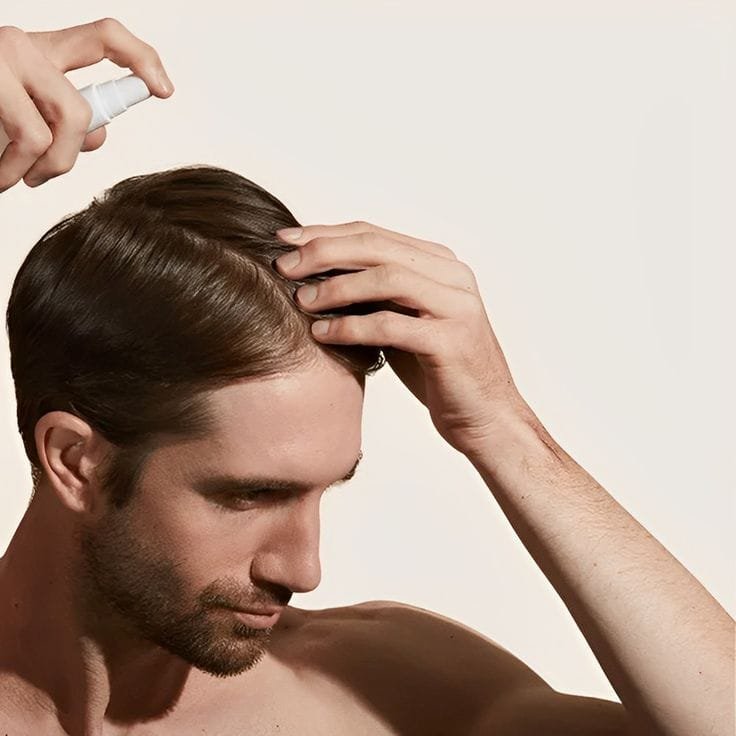
Shampoo removes oil, sweat, dead skin, and product residue. But the goal is not to make your scalp feel “squeaky clean.” That tight, squeaky feeling often means the scalp barrier has been stripped too much.
For most men, washing two to four times per week is a reasonable starting point. If you exercise daily, sweat heavily, use lots of styling product, or have an oily scalp, you may need to wash more often. If your scalp is dry, sensitive, or easily irritated, washing less frequently with a mild formula may work better.
When shampooing:
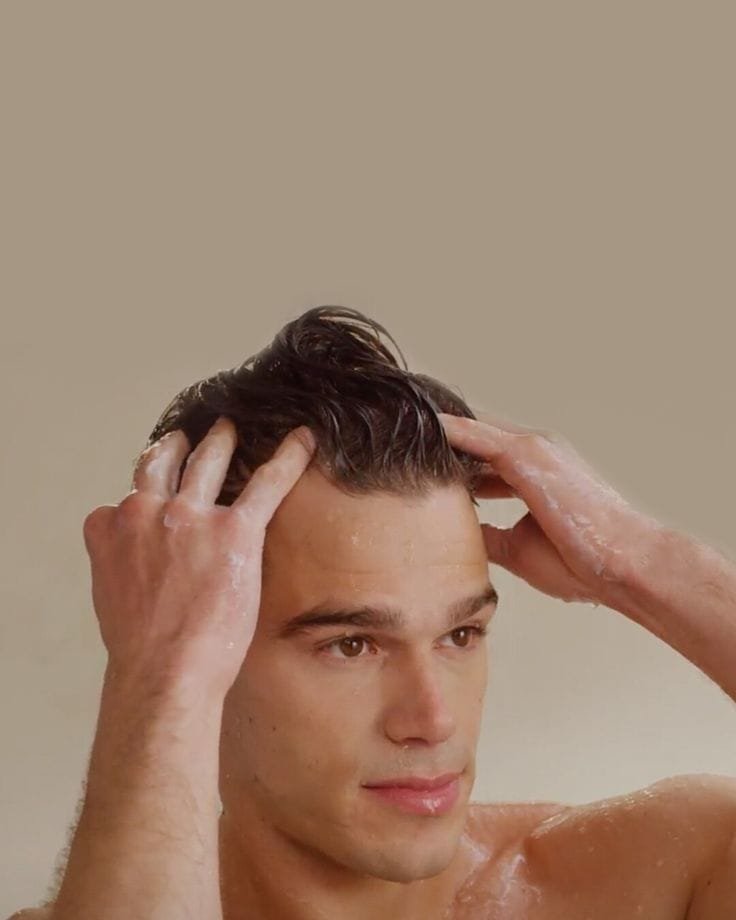
- Wet your hair thoroughly with lukewarm water.
- Use a small amount of shampoo and focus it on the scalp.
- Massage gently with your fingertips for 30 to 60 seconds.
- Rinse thoroughly, because leftover product can worsen buildup.
- Avoid using your nails or scrubbing aggressively.
If you use a lot of wax, pomade, clay, or dry shampoo, an occasional double wash can help: the first wash breaks down surface product, while the second cleans the scalp more thoroughly. Do not make this a daily habit unless your scalp is very oily, because over-cleansing can cause dryness and irritation.
The same principle applies to facial skincare: cleansing should remove dirt and excess oil without damaging the skin barrier. This is similar to choosing a balanced facial cleanser, as discussed in our CeraVe Foaming Facial Cleanser review.
Step 2: Match Shampoo to Your Scalp Problem
| Scalp Issue | What to Do and Avoid |
|---|---|
| Oily scalp | Look for a lightweight, balancing shampoo. Avoid heavy oils and thick conditioner on the roots. |
| Dry scalp | Use a gentle, hydrating shampoo. Avoid hot water, harsh sulfates, and frequent washing. |
| Dandruff | Use a medicated shampoo with an active ingredient. Avoid ignoring flakes or scratching aggressively. |
| Buildup | Use an occasional clarifying shampoo. Avoid daily harsh clarifying washes. |
| Sensitive scalp | Choose a fragrance-light, gentle formula. Avoid strong fragrance and rough scrubs. |
| Thinning hair | Use a scalp-friendly shampoo plus evidence-based treatment if needed. Avoid believing shampoo alone will regrow hair. |
For dandruff and seborrheic dermatitis, medicated shampoos are usually more useful than moisturizing shampoos alone. The NHS recommends looking for ingredients such as ketoconazole, coal tar, or salicylic acid, and using an anti-dandruff shampoo consistently for up to four weeks to see whether it helps.
Common active ingredients include:
- Zinc pyrithione: Helps control dandruff and yeast-related flaking.
- Ketoconazole: An antifungal ingredient often used for dandruff and seborrheic dermatitis.
- Selenium sulfide: Helps reduce flaking and may slow skin-cell turnover.
- Salicylic acid: Helps loosen and remove scale, making it useful for buildup and flaking.
- Coal tar: Can reduce scaling and itching, though it may smell strong and stain light hair or fabrics.
Mayo Clinic notes that medicated shampoos for seborrheic dermatitis may be used daily or two to three times weekly during a flare, then reduced to once weekly or once every two weeks once symptoms improve. Mayo Clinic
Step 3: Condition the Hair, Not Necessarily the Scalp
Conditioner softens hair and reduces friction, but it does not need to be massaged into the scalp for every hair type. If you have fine hair, an oily scalp, or frequent buildup, apply conditioner mainly from mid-length to ends.
If your scalp is dry or you have coarse, curly, or textured hair, a lightweight conditioner on the scalp may be helpful. The key is thorough rinsing. Leftover conditioner can mix with sebum and styling products, creating that heavy, coated feeling.
Avoid applying thick oils directly to the scalp unless you have a specific reason to do so. Oils can help dry hair lengths, but they can also trap sweat, heat, and product residue on the scalp.
Step 4: Exfoliate Selectively
Scalp exfoliation can help remove dead skin cells and product residue, but it is not necessary for everyone. If your scalp is healthy and you wash effectively, you may not need it at all.
There are two main types:
- Physical exfoliation: Scalp scrubs, brushes, or silicone scalp massagers.
- Chemical exfoliation: Ingredients such as salicylic acid that help break down flakes and buildup.
If you decide to exfoliate, start once every one to two weeks. Use gentle pressure, focus on the scalp rather than dragging through the hair, and stop if you feel burning, stinging, or increased redness.
Dermatologists quoted by SELF generally suggest starting with once-weekly exfoliation, particularly for oily scalps or dense hair, while people with eczema, psoriasis, or seborrheic dermatitis should check with a clinician before adding exfoliating products.
Do not exfoliate over broken skin, cuts, sunburn, sores, or severely inflamed patches. Scrubbing an irritated scalp can make the problem worse.
Scalp Buildup Removal: A Practical Method
If buildup is your main issue, use this simple method once every one to two weeks:
- Choose a clarifying or buildup-focused shampoo.
- Apply it to damp hair, following the product instructions.
- Massage the scalp gently with fingertips. Do not scratch with nails.
- Let it sit for the recommended time.
- Rinse extremely well.
- Use a lightweight conditioner on the ends only.
- Avoid heavy styling products for a day or two so you can see whether your scalp feels better.
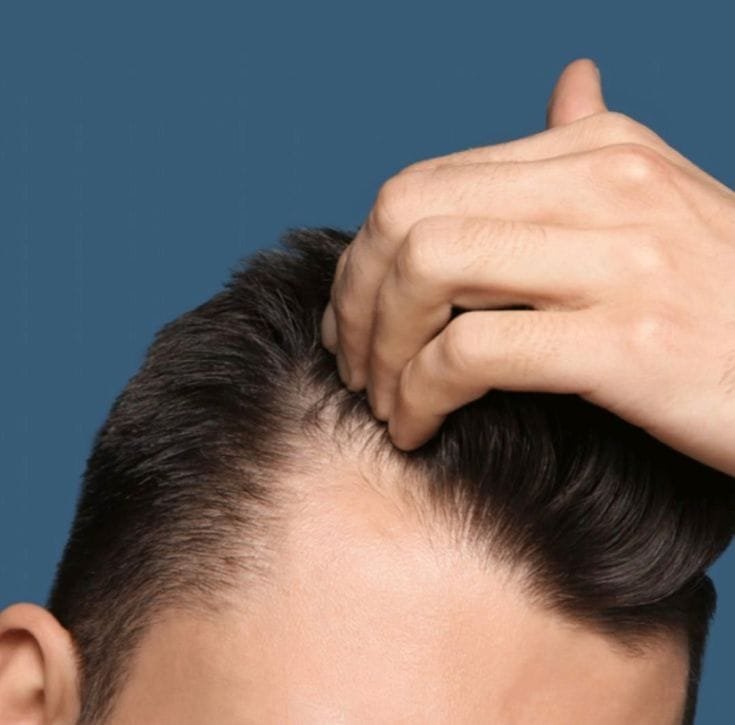
If you use dry shampoo often, be careful. Dry shampoo is convenient, but it is not a replacement for washing. Over time, it can combine with oil, sweat, and dead skin cells to create noticeable buildup.
A useful rule: if your hair needs dry shampoo more than two or three days in a row, your scalp probably needs an actual wash rather than another layer of product.
Dandruff vs. Dry Scalp: Know the Difference
Many men treat every flake as “dry scalp,” then apply oils and heavy moisturizers. That can make dandruff worse.
Dry Scalp
Dry scalp usually feels tight, rough, or dehydrated. Flakes tend to be small, white, and dry. Common causes include cold weather, low humidity, hot showers, harsh shampoo, over-washing, and dehydration.
For dry scalp, focus on gentler cleansing, less hot water, and a scalp-friendly moisturizing product if needed.
Oily Scalp Care for Men
An oily scalp can make hair look greasy within a day, especially if you have fine or straight hair. It can also make flakes more noticeable because oil can clump dead skin cells together.
To manage an oily scalp:
- Wash often enough to prevent heavy oil accumulation, but do not over-wash to the point of irritation.
- Use a lightweight shampoo and avoid applying conditioner directly to the roots.
- Rinse thoroughly after every wash.
- Keep heavy oils, butters, and waxes away from the scalp.
- Use dry shampoo sparingly.
- Clean hats, pillowcases, and helmet liners regularly.
- Avoid touching your scalp throughout the day.
If your scalp becomes greasy very quickly despite regular washing, or if you also get acne-like bumps along the hairline, you may be dealing with excess sebum, product buildup, or seborrheic dermatitis. A dermatologist can help identify the difference.
Dry Scalp Care for Men
A dry scalp needs moisture and barrier support—not more stripping.
Try these adjustments:

- Wash less frequently if your scalp feels tight after shampooing.
- Use lukewarm rather than hot water.
- Switch to a gentler, sulfate-light shampoo.
- Use conditioner on the scalp if your hair type allows it.
- Avoid strong fragrance and alcohol-heavy styling products.
- Consider a humidifier during winter.
- Do not scratch, even if it feels satisfying.
If dryness persists, becomes painful, or leads to cracked or bleeding skin, it may not be simple dryness. Conditions such as eczema, psoriasis, or contact dermatitis can look similar at first.
Itchy Scalp: How to Calm It
Itching is one of the most common reasons men start thinking about scalp care. It can come from dryness, dandruff, sweat, buildup, allergic reactions, folliculitis, psoriasis, or stress.
A simple calming approach:
- Stop scratching. Scratching worsens inflammation and can damage follicles.
- Simplify your routine. Pause new styling products, oils, and fragranced products.
- Wash with lukewarm water.
- Use a targeted shampoo if dandruff or seborrheic dermatitis seems likely.
- Avoid aggressive exfoliation while the scalp is irritated.
- Give treatment time. Many dandruff shampoos need several weeks of consistent use.
If itching is severe, keeps you awake, or comes with sores, pus, crusting, swollen lymph nodes, or patchy hair loss, seek medical advice instead of continuing to self-treat.
Ingredients That Can Help Scalp Health
You do not need to memorize every ingredient label, but these are worth knowing.
Salicylic Acid
Salicylic acid is a keratolytic ingredient, meaning it helps loosen and shed dead skin cells. It can be useful for flaking, scale, and buildup. DermNet notes that salicylic acid is commonly used at 2% to 5% concentrations and can improve penetration of other topical treatments.
It can help with scalp buildup, thick flakes, and oily or congested scalps. However, it can irritate sensitive or broken skin, so start slowly.
Zinc Pyrithione
Zinc pyrithione is one of the most common anti-dandruff ingredients. It has antifungal and antibacterial properties and is found in many dandruff shampoos.
It is a good first option for mild to moderate dandruff, especially if your scalp is itchy and flaky but not severely inflamed.
Ketoconazole
Ketoconazole is an antifungal ingredient that targets yeast associated with dandruff and seborrheic dermatitis. It is available over the counter in some strengths and by prescription in others.
If zinc pyrithione shampoo does not help, ketoconazole is often a reasonable next step—though persistent symptoms still deserve professional assessment.
Selenium Sulfide
Selenium sulfide helps reduce flaking and can slow the rate at which scalp skin cells turn over. It is often used for dandruff and seborrheic dermatitis.
It can be effective, but some people find it drying or irritating. Follow the product directions carefully and rinse thoroughly.
Coal Tar
Coal tar can reduce scaling and itching. It is often used for dandruff and scalp psoriasis, though it has a strong odor and may stain lighter hair, skin, or fabrics.
If you use coal tar products, be cautious with sun exposure, as tar can increase sensitivity to sunlight in some cases.
Niacinamide
Niacinamide is better known in facial skincare, but it can appear in scalp products because it supports barrier function and may help calm visible redness in some formulations. It is not a cure for dandruff or genetic hair loss, but it can be a useful supporting ingredient.
For more context on barrier-supporting skincare, see our guide on niacinamide vs. retinol for men.
A Simple Weekly Scalp Care Plan
Here is an example routine for a man with mild buildup and occasional flakes:
Monday
- Wash with a gentle shampoo.
- Massage the scalp with fingertips.
- Apply conditioner to the ends only.
- Avoid heavy styling products.
Wednesday
- Wash with a medicated anti-dandruff shampoo if needed.
- Leave it on the scalp for the time stated on the label.
- Rinse thoroughly.
Friday
- Wash with a gentle shampoo.
- Use a scalp exfoliating treatment only if buildup is noticeable.
- Follow with conditioner on the ends.
Weekend
- Keep styling light.
- Protect exposed scalp from sun.
- Avoid scratching or picking at flakes.
This is only a template. If your scalp is dry, you may need fewer washes. If it is oily, you may need more. If you have dandruff, the medicated shampoo becomes the central part of the plan—not an occasional extra.
How to Build a Routine You Will Actually Follow
The best scalp care routine is the one you can maintain. Here is a realistic version for most men:
- Use a gentle shampoo as your base.
- Add one targeted treatment only if you need it.
- Exfoliate occasionally, not obsessively.
- Keep heavy products away from the scalp.
- Protect your scalp from the sun.
- Give any treatment at least four weeks before judging it.
If you are building a broader grooming system, keep the same philosophy you would use for facial skincare: simple basics, consistent use, and targeted treatment only where necessary. Our Regimen Protocols section follows this same practical approach.
Frequently Asked Questions
How often should men wash their hair?
It depends on your scalp. Oily scalps may need washing every one to two days, while dry or sensitive scalps may do better with two to three washes per week. The right frequency is the one that keeps your scalp comfortable without leaving it greasy or tight.
Can scalp care help hair grow?
A healthy scalp creates a better environment for hair, but scalp care alone cannot reverse genetic hair loss. If you have male pattern hair loss, treatments such as minoxidil or finasteride may be more relevant, and a dermatologist can help you decide what is appropriate.
Is scalp exfoliation necessary?
No. It can help with buildup and flakes, but it is not essential for everyone. If your scalp is sensitive, inflamed, or has an active skin condition, exfoliation may make things worse.
What is the fastest way to remove scalp buildup?
Use a clarifying shampoo, massage gently with fingertips, and rinse thoroughly. Avoid harsh scrubbing. If buildup is frequent, reduce heavy styling products and dry shampoo use.
Can dandruff cause hair loss?
Dandruff itself does not usually cause permanent hair loss, but chronic inflammation and frequent scratching can contribute to hair breakage or worsen certain scalp conditions. Persistent flaking with hair loss should be assessed by a professional.
Final Thoughts
Scalp care for men does not need to be complicated. Start with a gentle cleansing routine, add a targeted treatment only if you need one, and avoid the habits that create buildup and irritation in the first place.
If your main issue is flakes and itchiness, focus on medicated shampoo. If it is grease and residue, focus on better cleansing and lighter styling. If it is thinning, protect your scalp, keep it healthy, and consider speaking to a dermatologist about evidence-based treatment options.
Your scalp is part of your skin. Treat it with the same consistency and common sense you would give your face, and your hair will usually look and feel better for it.
Editor’s note: This article is for general informational purposes and does not replace medical advice. If you have a persistent scalp condition or sudden hair loss, consult a dermatologist or healthcare professional.