
Shocking Truth: Beef Tallow for Men’s Skin (2026 Guide)
Scroll through any men’s grooming corner of TikTok or Reddit right now, and you’ll run into the same jar. A thick, off-white balm, rendered from beef fat, being smeared onto stubbled jaws with the confidence of a guy who just discovered fire. The pitch is simple: beef tallow for men’s skin is “what your ancestors used,” “closer to your sebum than any lab product,” and somehow more trustworthy than anything with an ingredient list you can’t pronounce.
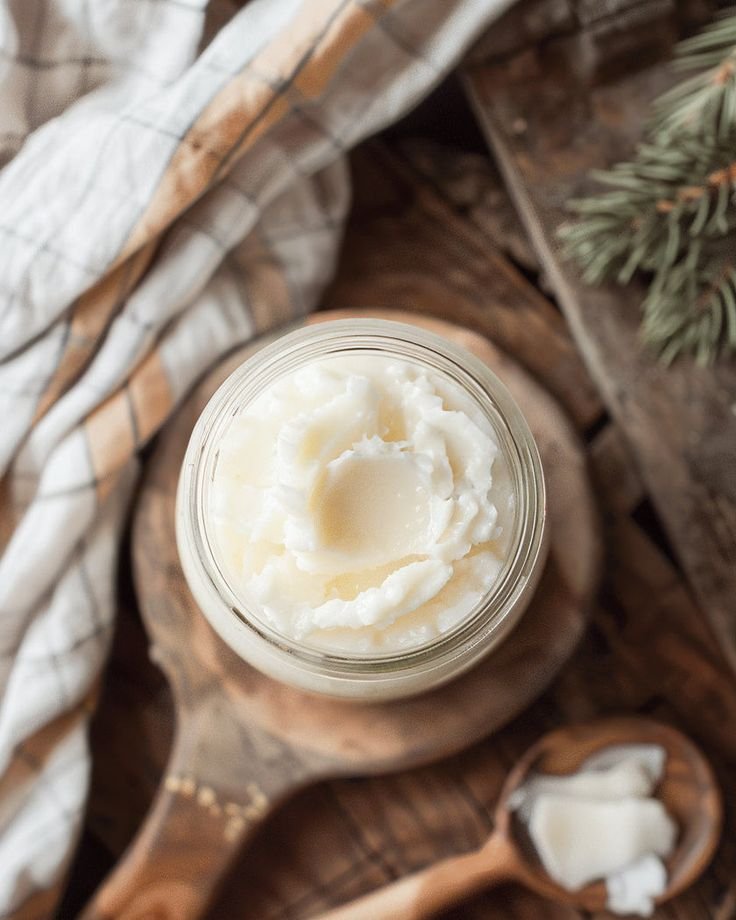
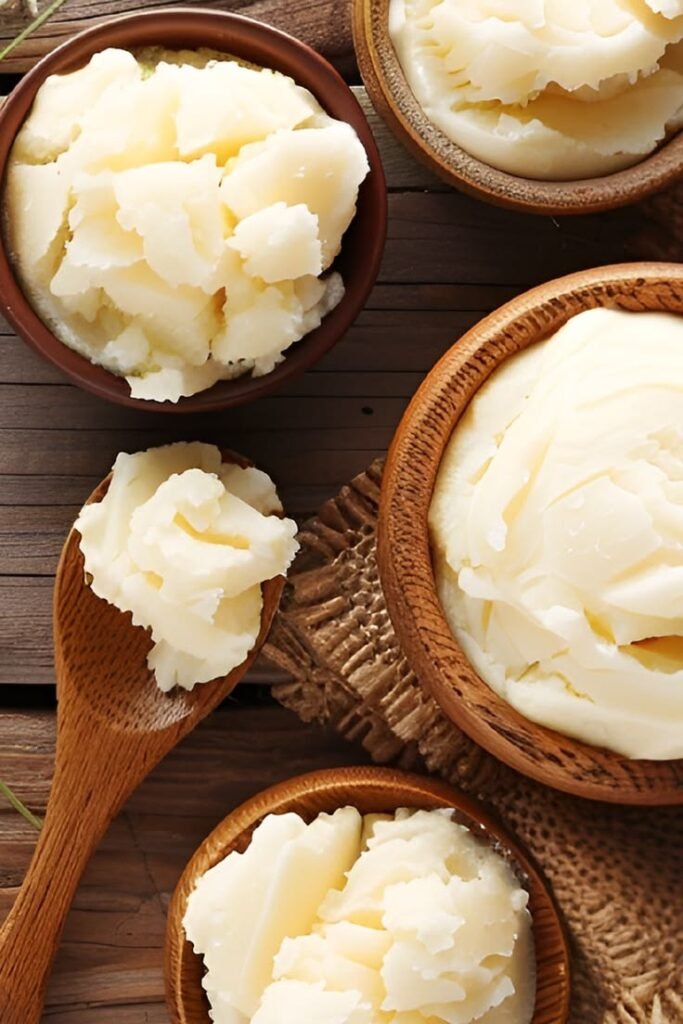
Search interest backs up the hype. Queries for beef tallow for skin have climbed sharply over the past two years, and men’s grooming forums are treating it less like a fringe idea and more like a legitimate alternative to their CeraVe tub.
But hype and evidence are two different things. Dermatologists have started weighing in publicly, and their reaction isn’t unanimous cheerleading. Some see a reasonable, if unglamorous, occlusive moisturizer. Others see a pore-clogging trend riding on a “natural equals better” narrative that the actual chemistry doesn’t fully support.
This guide breaks down exactly what beef tallow is, what happens when you put it on your face, what the research does and doesn’t say, and how to use it safely if you decide to try it. No hype, no dismissal — just the clinical picture.
Quick Summary For beef tallow for men’s Skin
- Beef tallow is rendered beef fat, roughly 40- 50% oleic acid, with a fatty acid profile that loosely resembles human sebum but is not identical to it.
- There are zero randomized controlled human trials on leave-on beef tallow for acne, eczema, or anti-aging — the entire trend runs ahead of the science.
- Beef tallow carries a comedogenic rating of around 2 out of 5, which is moderate, not zero. Acne-prone and oily-skinned men should be cautious.
- It can work as a rich occlusive moisturizer for dry, non-acne-prone skin, especially on the body rather than the face.
- Ceramide- and niacinamide-based moisturizers have far more clinical backing for men who want a barrier-repair product with predictable results.
- If you try it, patch test first, use a thin layer, and watch for closed comedones or breakouts over two to four weeks.
What Is Beef Tallow, and Why Is Every Man’s Feed Talking About It?
Beef tallow is rendered fat from cattle, usually from the fatty tissue around the kidneys and loins (suet), melted down and strained until it becomes a smooth, semi-solid, shelf-stable fat. It has been used in cooking and soap-making for centuries, and it’s only in the last two to three years that it migrated into moisturizer jars marketed directly at men.
The appeal fits neatly into a broader shift in men’s grooming. Guys who were burned out on ten-step routines full of unpronounceable actives started gravitating toward “ancestral,” minimally processed alternatives — the same instinct behind the rise of cold plunges and raw milk. Beef tallow slots into that story as the skincare equivalent of eating whole foods instead of ultra-processed snacks.
There’s also a genuine physiological hook. Sebum, the oil your skin naturally produces, is partly made of fatty acids, and marketers have leaned hard into the claim that tallow’s fatty acid profile “matches” sebum almost exactly. That claim is where things start to get more complicated — and where the actual chemistry matters more than the marketing copy.
If you’re the type who wants your skincare decisions grounded in ingredient science rather than vibes, this is a good moment to also look at how niacinamide and retinol compare for men’s skin, since both sit on the opposite end of the “trendy but evidence-backed” spectrum from tallow.
The Science: What’s Actually Inside Beef Tallow
Fatty Acid Breakdown
Beef tallow is roughly 40 to 50 percent oleic acid, with the rest made up mostly of palmitic and stearic acid, plus small amounts of linoleic acid. That composition matters more than most viral posts let on.
Oleic acid is a heavy, occlusive fatty acid. In multiple lab and human studies, high concentrations of oleic acid have been shown to loosen the lipid structure of the stratum corneum — the skin’s outermost barrier layer — and increase water loss rather than reduce it. It’s part of why pure olive oil, which is also high in oleic acid, is discouraged for infant skin in some pediatric guidance.
Linoleic acid, by contrast, is the fatty acid most consistently linked to barrier support and lower pore-clogging potential in cosmetic chemistry research. Beef tallow contains only a small fraction of linoleic acid compared to oils like sunflower or rosehip. So the fatty acid that’s supposed to make tallow “barrier-repairing” is present in relatively short supply.
How Close Is It Really to Human Sebum?
The “tallow equals sebum” claim is technically rooted in real chemistry — both do contain overlapping fatty acids — but the resemblance is partial, not exact. Human sebum also contains squalene and wax esters that tallow doesn’t replicate, and the ratios of individual fatty acids differ meaningfully between the two.
In short, tallow behaves like a heavy, occlusive moisturizing fat on skin. That mechanism is well understood and not controversial. The claim that it’s “uniquely” suited to human skin because it mimics sebum is the part dermatology hasn’t confirmed.
Beef Tallow for Men’s Skin: What the Research Actually Shows
The Evidence Gap Nobody Talks About
Here’s the part most viral videos skip entirely: a 2024 systematic scoping review that screened 147 studies found zero randomized controlled human trials evaluating leave-on beef tallow for acne, atopic dermatitis, psoriasis, or skin aging. Every specific health claim attached to tallow balm — anti-aging, barrier repair, acne treatment — is currently unproven in controlled human research.
That doesn’t automatically mean tallow does nothing. It means the trend is running well ahead of the clinical evidence, and most of what’s being said online is inference from ingredient chemistry rather than results from actual trials.
There’s also a financial-bias problem worth knowing about. A 2025 analysis of tallow-related social media content found that the large majority of promotional posts on Instagram and YouTube came from creators without healthcare credentials, many with financial ties to the products they promoted, and most disease-related claims weren’t backed by cited evidence.
Comedogenic Rating: 2 Out of 5, But With Caveats
Pure beef tallow is commonly cited at a comedogenic rating of around 2 out of 5 on the standard cosmetic comedogenicity scale, where 0 means it won’t clog pores and 5 means it’s highly likely to. That puts it in a “low to moderate” category — worse than something like squalane, better than coconut oil at a 4.
But raw ingredient ratings don’t transfer perfectly to finished products. How a fat behaves depends on how much you apply, how it’s formulated, and your individual skin. A thin layer of tallow balm on normal-to-dry skin behaves very differently than a thick nightly slather on oily, acne-prone skin.
Potential Benefits of Beef Tallow for Men’s Face
For the right skin type, applied correctly, beef tallow does have some legitimate upside:
- Useful as a vehicle. Some research suggests fats like tallow, combined with carrier oils, can help other topical ingredients absorb into the skin more effectively — functioning as a delivery base rather than an active ingredient itself.
- Good for very dry, non-facial areas. Elbows, knuckles, cracked heels, and windburned skin on the body tend to tolerate heavy occlusives better than the face does, since these areas have fewer active oil glands and lower acne risk.
- Strong occlusive effect. It sits on the skin surface and slows transepidermal water loss, which can genuinely help with dry patches, especially on the body.
- Simple ingredient list. For men who react badly to synthetic fragrances, preservatives, or emulsifiers in mass-market lotions, a plain-rendered tallow balm can be a lower-irritant option.
If dryness and barrier support are your main concern rather than novelty, it’s worth comparing tallow against a CeraVe Daily Moisturizing Lotion side by side before committing to one or the other.
The Risks: Why Dermatologists Are Split
Acne and Clogged Pores
This is the single most consistent warning across dermatologist commentary. Because tallow is thick and heavily occlusive, it can trap oil, dead skin cells, and bacteria under a film on the skin surface — especially in men with naturally oilier facial skin, which is common due to higher baseline androgen activity compared to women.
Multiple dermatologists quoted in mainstream health coverage have specifically advised against tallow for anyone with acne-prone or oily skin, citing its comedogenic potential as a real, not theoretical, concern.
Allergic Reactions and Irritation
Because tallow is an animal-derived, protein-adjacent product, men with beef or red meat allergies should avoid it entirely. Even without a formal allergy, some people experience contact irritation, which is part of why every dermatologist source recommends a patch test before full-face use.
Bacterial Growth Under Occlusion
There’s a lesser-discussed mechanical risk. Heavy occlusion raises local skin temperature and humidity slightly, which can accelerate the growth rate of C. acnes, the bacterial strain linked to inflammatory acne. This effect takes roughly eight to twelve hours to meaningfully kick in — well within the window of an overnight application.
This is a mechanistic concern based on skin physiology rather than a large clinical trial, but it’s consistent with why oily and acne-prone men report worse outcomes with tallow than men with genuinely dry, non-reactive skin.
Beef Tallow for Men’s Face vs Beef Tallow for Body
This distinction gets lost in most tallow content, and it matters more than almost anything else in this guide.
Facial skin has a much higher density of sebaceous glands than skin on the arms, legs, or torso. That means the face is inherently more prone to clogged pores from any heavy occlusive, tallow included. Body skin, especially on drier zones like shins, forearms, and hands, tolerates thick balms far better because there’s less native oil production to interact with.
If you’re curious about beef tallow, a lower-risk entry point is using it on dry body skin first — particularly in winter — before ever testing it on your face. If your face runs oily or you’ve dealt with breakouts before, that risk profile alone might be reason enough to keep tallow off your jawline and stick to a proven CeraVe Foaming Facial Cleanser and lighter moisturizer instead.
What Is the Best Beef Tallow for Men’s Skin?
Grass-Fed vs Commodity Tallow
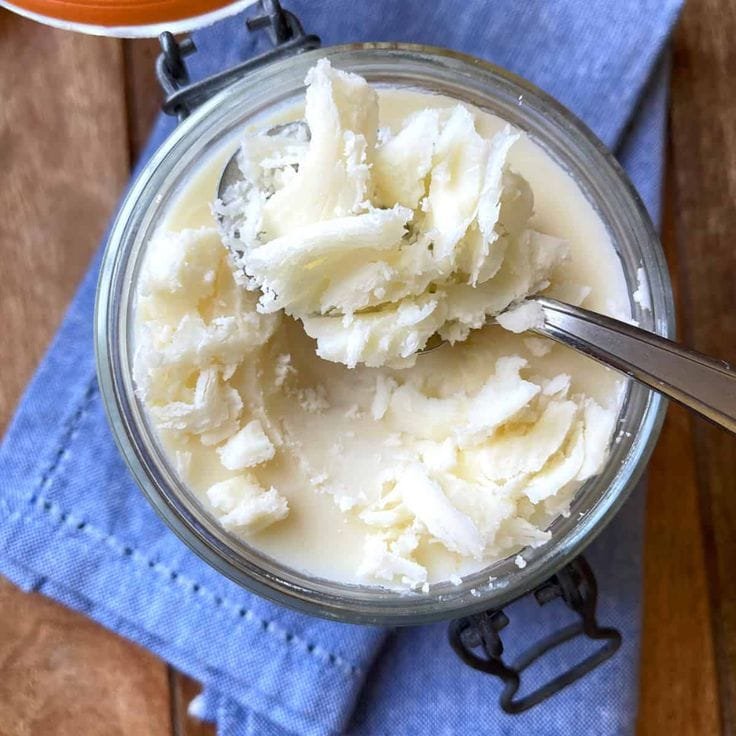
Not all tallow is equal. Grass-fed, pasture-raised suet tends to have a slightly different, generally more favorable fatty acid profile than tallow rendered from commodity feedlot trim, along with fewer processing additives. Properly rendered suet, filtered multiple times, also has a milder scent and cleaner texture than lower-grade tallow.
None of this changes tallow’s fundamental comedogenic profile, but sourcing quality does affect texture, scent, and the likelihood of contaminants or additives triggering irritation.
What to Check on the Label
Before buying, look for:
- A short ingredient list, ideally just tallow, and possibly a light carrier oil like jojoba
- No added synthetic fragrance if you have sensitive or acne-prone skin
- Clear sourcing information — grass-fed, pasture-raised, and where it was rendered
- Multiple straining/filtration passes, mentioned explicitly by the brand
Avoid tallow balms padded with heavy comedogenic oils like coconut oil stacked on top of tallow — that combination compounds pore-clogging risk rather than balancing it.
How to Use Beef Tallow on Skin (Step-by-Step for Men)
Patch Test First
Apply a small amount to your inner forearm or jawline for three to five nights in a row before using it anywhere else on your face. Watch for redness, itching, or small bumps.
AM vs PM Application
Tallow is generally better suited to a PM routine. It’s heavy, sits on the skin for hours, and doesn’t play well under sunscreen or makeup. If you’re wearing SPF during the day, which you should be regardless of what moisturizer you use, layering tallow underneath can interfere with even coverage. For daytime protection, a proper broad-spectrum option like the ones covered in our best sunscreen for men guide is the safer daytime layer.
Layering With Other Actives
Because tallow is heavily occlusive, apply it last in your routine, after any water-based serums or treatments, so it seals moisture in rather than blocking absorption of other products. Avoid layering it directly on top of retinoids on the same night when you’re first testing tolerance, since combining a barrier-heavy occlusive with an active that already increases sensitivity can raise irritation risk. If retinoids are already part of your routine, our breakdown of retinoids and cell turnover covers how to sequence actives properly.
Who Should Avoid Beef Tallow on Their Face
- Men with active acne, frequent breakouts, or naturally oily/combination skin
- Men with a known beef or red meat allergy
- Men with rosacea or highly reactive, easily inflamed skin.
- Anyone currently using strong actives (retinoids, exfoliating acids) who hasn’t yet built up tolerance.
- Men who dislike the natural, slightly meaty scent of unrefined tallow, since fragrance-masking can introduce its own irritation risk
Beef Tallow vs Modern Barrier Creams (Ceramide/Niacinamide)
If your actual goal is barrier repair rather than nostalgia or novelty, it’s worth being honest about the comparison. Ceramide- and niacinamide-based moisturizers have substantially more clinical research behind them, including controlled studies on barrier function, transepidermal water loss, and tolerance across skin types.
Tallow’s mechanism is occlusion — it sits on top and slows water loss. Ceramide formulas work by directly replenishing lipids the skin barrier is actually built from, which is a more targeted form of repair backed by real trial data. For men who want predictable, well-documented results, a CeraVe Daily Moisturizing Lotion or similar ceramide-based formula remains the safer default, with tallow positioned more as an experimental add-on than a replacement.
Signs Beef Tallow Isn’t Working for Your Skin
Give it two to four weeks of consistent, light-layer use before judging results, but stop immediately if you notice:
- New or worsening closed comedones (small skin-colored bumps, especially on the forehead or jawline)
- Increased oiliness or shine that wasn’t there before
- Redness, itching, or a rash-like reaction
- A sudden breakout cluster after several weeks of otherwise clear skin
If any of these show up, switch back to a lighter, non-comedogenic moisturizer and let your skin settle before trying anything new.
FAQs
Is beef tallow good for men's face specifically, or just the body?
It’s lower-risk on the body, where sebaceous gland density is lower. On the face, especially for oily or acne-prone men, it carries a real comedogenic risk that dermatologists flag consistently.
What is the best beef tallow for men's skin?
Grass-fed, minimally processed, multiple-times-filtered suet with a short ingredient list and no added comedogenic oils tends to perform best and cause the fewest reactions.
How do you use beef tallow on skin without breaking out?
Patch test first, apply a thin layer at night only, apply it last in your routine, and watch your skin closely for two to four weeks before deciding to continue.
Does beef tallow clog pores?
It carries a moderate comedogenic rating of roughly 2 out of 5. It’s not the worst offender on the scale, but it’s not comedogenic-free either, and outcomes vary a lot by individual skin type.
Is beef tallow better than a ceramide moisturizer?
Not based on current evidence. Ceramide and niacinamide formulas have far more clinical research behind them for barrier repair specifically, while tallow’s benefits are largely inferred from ingredient chemistry rather than trial data.
Final Verdict: Should Men Use Beef Tallow on Their Skin in 2026?
Beef tallow for men’s skin isn’t a scam, and it isn’t a miracle either. It’s a genuinely old, genuinely occlusive fat that can help dry, non-reactive skin hold onto moisture — and a genuinely risky choice for oily, acne-prone, or sensitive skin without careful testing.
The trend outpaced the science, not the other way around. If you want to experiment, start on your body, not your face, use a thin layer, patch test religiously, and pay attention to what your skin actually does over several weeks rather than what a testimonial promised it would do.
If barrier repair with predictable, well-studied results is the real goal, a ceramide-based moisturizer still does more heavy lifting than a jar of rendered fat. Our sister site Review Dermatica has a detailed breakdown of CeraVe vs Cetaphil moisturizer and a full CeraVe Moisturizing Cream review if you want a proven, clinically-backed alternative before committing to tallow long-term.
And whatever moisturizer you land on, none of it matters without daily sun protection. If you’re still deciding on SPF, Review Dermatica’s EltaMD UV Clear vs Supergoop Unseen Sunscreen comparison and their SPF 30 vs SPF 50 breakdown are both worth a read.
For further reading on Review Dermatica, if you’re building out a fuller skincare routine beyond just barrier repair, these are worth exploring:
- The Inkey List Eye Cream Review — for under-eye concerns
- Anua Azelaic Acid Serum Ingredients — for acne-prone skin needing a gentler active than tallow
- Beauty of Joseon vs Anua — K-beauty barrier-care comparison
- Torriden Dive-In Serum Review — lightweight hydration alternative to heavy occlusives
- NAD vs PDRN and Medicube Exosome Shot 2000 vs 7500 — for men curious about longevity-focused actives beyond basic moisturizing
- Medicube PDRN Pink Collagen Volume Multi-Balm Review and Dr. Melaxin Peel Shot Reviews — clinical-grade alternatives if tallow doesn’t work out for your skin
For more science-backed skincare breakdowns like this one, visit Review Dermatica directly.