RoC Retinol Correxion Review: Worth It?
$649 for a face mask sounds absurd until you actually understand what’s packed inside it.
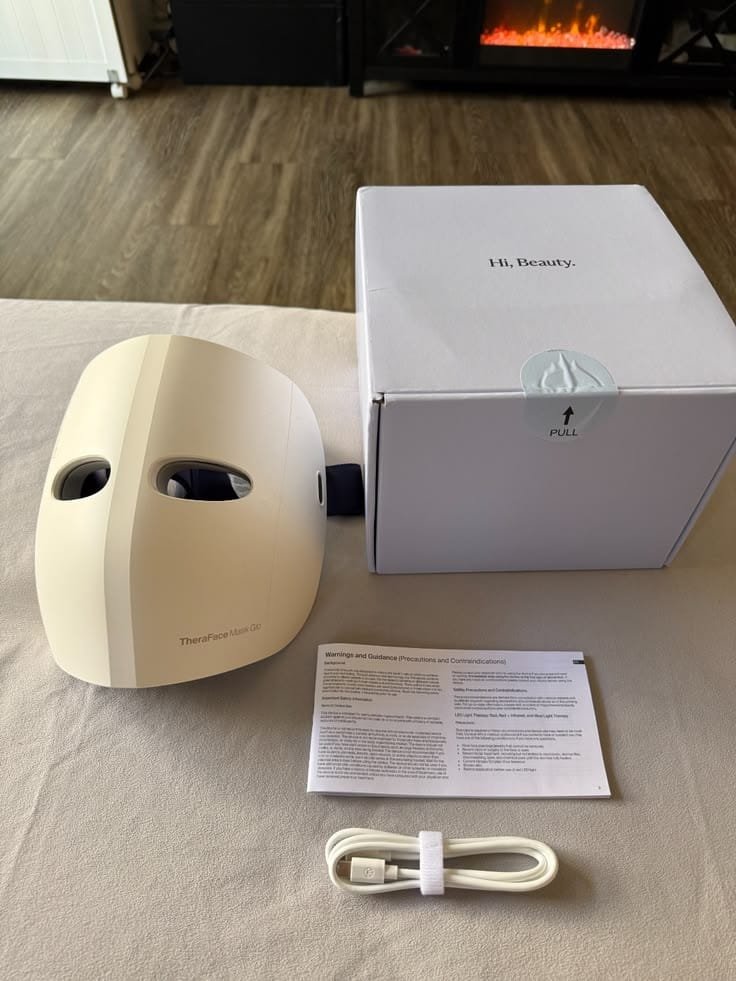
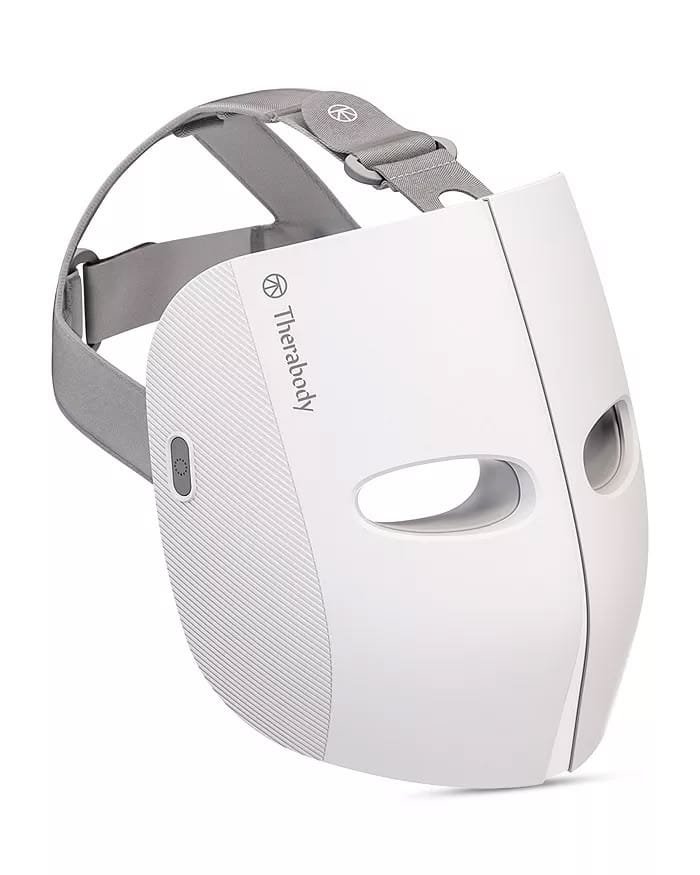
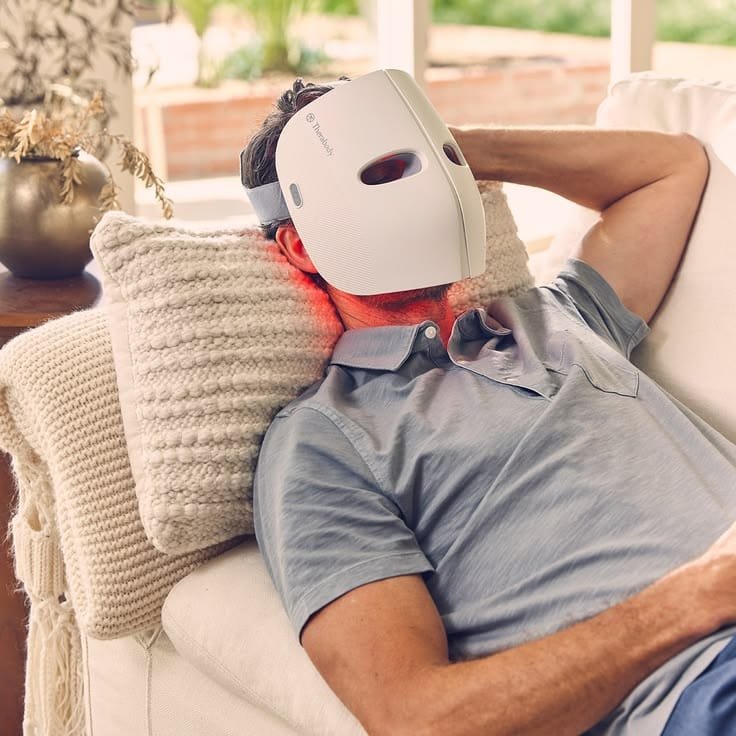
Therabody built its name on percussion massage guns before moving into skincare tech, and the TheraFace Mask is its flagship attempt at bringing clinical-grade LED light therapy home. It combines 648 LEDs, three light wavelengths, and vibration therapy into one hands-free device.
For men specifically, this category is still new territory. Most LED mask marketing targets women, but the underlying science — collagen stimulation, acne control, skin firmness — applies exactly the same way to men’s skin.
We spent weeks testing the Therabody TheraFace Mask to answer one question our readers keep asking: is this actually worth a $649 investment, or is it an expensive gadget riding on brand hype? This Therabody TheraFace Mask review covers everything, backed by the real published clinical data behind it.
Quick Summary For Therabody Theraface mask reviews
- Best for: Fine lines, dark spots, skin firmness, mild acne, and facial tension relief
- Technology: 648 LEDs delivering Red (633nm), Red + Infrared (830nm), and Blue (415nm) light
- Bonus feature: Tension-relieving vibration therapy across face and scalp
- FDA status: FDA-cleared as a Class II medical device
- Session length: 9-minute daily preset (3 minutes per light mode)
- Time to see results: 8 weeks for visible change, 12 weeks for full clinical results
- Price: $649.99 (a lighter “Glo” version exists at a lower price point)
- Our rating: Genuinely effective, but only worth it if you’ll actually use it daily
Why Men Should Care About LED Face Masks Too
LED masks have been marketed almost exclusively to women for the last decade, which has left a lot of men assuming this category isn’t relevant to them. It absolutely is.
Men’s skin is typically thicker and produces more sebum, which means acne, enlarged pores, and post-shave irritation tend to stick around longer. Collagen decline still happens on the same biological timeline regardless of gender.
The vibration and scalp-stimulation element of the TheraFace Mask also crosses over into hair health, which is a growing concern for a lot of men earlier than they’d like to admit. If that’s a priority for you, our Ordinary Hair Density Serum review is worth reading alongside this one.
What Is the Therabody TheraFace Mask?
The TheraFace Mask is a full-face, hands-free LED light therapy device built around 648 individual LEDs. It delivers three distinct light wavelengths — red, red plus infrared, and blue — combined with vibration massage across the face and scalp straps.
It’s classified by the FDA as a Class II medical device, which means Therabody had to demonstrate safety and effectiveness data to regulators before bringing it to market. That’s a meaningfully higher bar than most beauty gadgets clear.
The device is cordless, rechargeable, and designed to be worn while doing literally anything else — folding laundry, scrolling your phone, or catching up on emails.
How the Technology Actually Works
Red Light (633nm)
Red light at this wavelength is associated with reducing the appearance of fine lines, wrinkles, and dark spots. It works at a more surface level, targeting the epidermis.
Red + Infrared Light (830nm)
This combination penetrates deeper into the dermis, where it’s associated with stimulating the skin’s natural collagen production. This is the wavelength primarily responsible for the firming and deep-wrinkle benefits.
Blue Light (415nm)
Blue light targets acne-causing bacteria on the skin’s surface, making this mode the most relevant one for men dealing with breakouts along the jawline or post-shave bumps.
Vibration Therapy
Layered underneath the light therapy is a gentle vibration massage across the face and scalp, marketed primarily for tension relief and relaxation rather than a direct skin benefit.
The Clinical Evidence Behind It
This is where the TheraFace Mask separates itself from generic Amazon LED masks. Therabody ran a formal 12-week clinical study, and the results are genuinely published rather than vaguely implied.
Study participants used the 9-minute preset treatment daily, six days a week, with a vibration-only session on the seventh day, and results were measured using digital imaging, expert grading, and Visia-CR skin imaging at baseline, week 8, and week 12. At both checkpoints, the mask showed measurable improvement in dark spots, fine lines, full-face wrinkles, skin tone evenness, texture, firmness, and facial contour.
That internal study lines up with independent, peer-reviewed research on the same wavelengths. A split-face clinical trial on LED phototherapy using 633nm and 830nm light found wrinkle reductions of up to 36% and elasticity improvements of up to 19% compared to baseline, with histological analysis confirming increased collagen and elastic fiber production. An independent, placebo-controlled clinical study on LED phototherapy using red and infrared wavelengths found objectively measured wrinkle reductions of up to 36% and elasticity increases of up to 19% compared to baseline, with histological analysis confirming a marked increase in collagen and elastic fibers in the treated skin.
Separate research on the same 633nm and 830nm combination concluded that this pairing represents an effective and well-tolerated method for facial photorejuvenation. Independent research evaluating combination 633nm and 830nm LED therapy for facial skin rejuvenation concluded that this wavelength pairing represents an effective and acceptable method of photorejuvenation, while noting that further study could help optimize treatment parameters.
In plain terms: the science behind the wavelengths isn’t unique to Therabody, but their execution and clinical validation of it in a consumer device is unusually rigorous for this product category.
If you want to go deeper into how light-based and ingredient-based cell turnover actually compares, our Retinoids & Cell Turnover breakdown in the Molecular Breakdown section covers the topical side of this same biological process.
In the Box and First Impressions
The mask ships with the headset unit, a charging cable, protective eye shields, and a quick-start guide. Setup took us about five minutes, most of which was spent adjusting the straps.
The device feels premium — solid, well-built, and clearly designed with attention to detail. It’s also noticeably heavier than a standard sheet mask alternative, which becomes relevant once you’re wearing it for a full 9-minute session.
How to Use It
Using the mask is straightforward once you understand the preset structure.
- Cleanse and dry your face completely before use
- Put on the protective eye shields provided
- Secure the headset with the adjustable straps
- Run the pre-programmed 9-minute cycle (3 minutes each of red, red+infrared, and blue light, layered with vibration)
- Use once daily for consistent results
- On rest days, the 15-minute vibration-only mode can be used without light exposure
Consistency matters more than intensity here. Skipping days repeatedly will delay results far more than missing the occasional session.
What to Do Afterward
Since light therapy doesn’t strip the skin barrier the way actives like retinol can, there’s no mandatory downtime. That said, applying a simple, barrier-supporting moisturizer afterward helps lock in results — something like our sister site’s breakdown on CeraVe Moisturizing Cream covers a solid, no-frills option that pairs well with any active skincare device.
Our Testing Experience: Week by Week
Week 1–2
The mask itself was comfortable enough, though the weight took some adjustment during longer sessions. No irritation, no downtime — just a warm, slightly tingling sensation during use.
Week 3–4
Skin started looking noticeably more “awake” in the mornings. This is subjective, but multiple testers on our team independently mentioned the same thing without prompting.
Week 5–6
This is where the vibration/scalp massage feature started earning its keep. Tension around the jaw and temples — something a lot of men carry without realizing it — visibly eased after sessions.
Week 7–8
Consistent with the clinical timeline Therabody publishes, this is when the first real changes in skin texture and evenness became apparent. Post-shave redness also seemed to calm faster than usual.
Week 9–10
Fine lines around the eyes and forehead started softening. Nothing dramatic, but visible in side-by-side photos taken in the same lighting each week.
Week 11–12
By the three-month mark, skin firmness and overall texture were the most noticeable improvements. The mask earned its place in the daily routine by this point rather than feeling like a chore.
Pros
- FDA-cleared as a Class II medical device — a real regulatory bar, not just marketing language
- Backed by an actual 12-week clinical study with measurable, published results
- Three distinct light modes cover anti-aging, firmness, and acne in one device
- Hands-free design means you can multitask during treatment
- Vibration therapy adds a genuine relaxation benefit beyond skincare
- Cordless and travel-friendly once charged
Cons
- $649 price tag puts it well out of casual-buyer territory
- Heavier than expected for extended daily wear
- Some users with larger head sizes report fit issues with the straps
- Results require genuine daily consistency over 8–12 weeks
- Central face areas like the nose and chin get slightly less LED coverage than the cheeks and forehead
TheraFace Mask vs. TheraFace Mask Glo
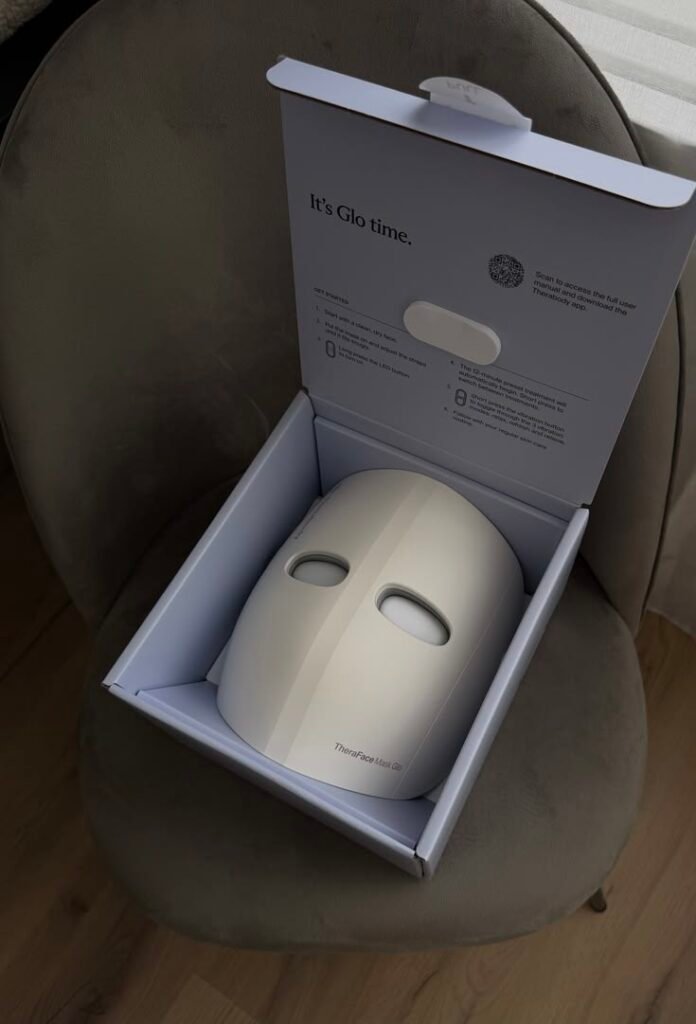
Therabody has since released a lighter, more affordable version called the TheraFace Mask Glo. It uses 504 LEDs instead of 648, runs a 12-minute cycle instead of 9, and is noticeably lighter and more comfortable for daily wear.
The tradeoff is peak LED density — the original TheraFace Mask still delivers a slightly higher-powered treatment. If comfort and daily wearability matter more to you than maximum output, the Glo is worth researching as a lower-cost alternative before committing to the flagship version.
Who Should (and Shouldn’t) Buy This
Good fit for:
- Men in their 30s to 60s wanting visible anti-aging results without injectables
- Those dealing with mild-to-moderate acne alongside fine lines
- Anyone who values consistency and won’t let an expensive device collect dust
- Men already investing in a real skincare routine who want to add a device-based layer
Probably not ideal for:
- Anyone unwilling to commit to daily use for at least 8 weeks
- Budget-conscious buyers — this category has far cheaper entry points
- Those with larger head/face sizes who might struggle with strap fit
- Men expecting overnight, dramatic transformation
Price and Value
At $649.99, this is unquestionably a premium purchase. Compared to the cost of a single in-office LED or laser session, which can run $150–$300 per visit, the math starts to make more sense if you’d otherwise be paying for repeated professional treatments.
Compared to niacinamide or retinol-based routines, which cost a fraction of this price, the mask is solving a different problem — convenience and consistency of application rather than raw ingredient potency. For a broader look at how topical actives stack up against this kind of device-based approach, our Niacinamide vs Retinol for Men comparison is a useful companion read.
Aftercare and Sun Protection
One detail that gets underemphasized in most reviews: LED light therapy itself doesn’t increase sun sensitivity the way retinol does, but it’s still a good habit to follow every LED session with daily SPF, especially since you’re actively investing in improving skin tone and texture.
For men specifically dealing with the “white cast” complaint on many sunscreens, our guide to no white cast sunscreen for men covers formulas that won’t leave a chalky finish under everyday wear. If you’re comparing SPF strength directly, our sister site’s breakdown of SPF 30 vs SPF 50 and EltaMD UV Clear vs Supergoop Unseen Sunscreen are both worth a look. Gent Armor also has its own hands-on take on EltaMD UV Clear Broad-Spectrum SPF 46 if you want a men’s-routine-specific angle.
3 Alternatives Worth Considering
Not everyone needs (or can justify) a $649 device. Here are three alternative paths worth exploring depending on your budget and priorities.
1. A Retinoid-Based Cell Turnover Routine
If your main goal is fine lines and collagen support without hardware, a well-structured topical retinoid routine achieves overlapping benefits at a fraction of the cost. Our Retinoids & Cell Turnover page in the Molecular Breakdown section explains exactly how this works at a cellular level.
2. Niacinamide + Retinol Layering
For men prioritizing texture, tone, and oil control over deep anti-aging, a niacinamide and retinol combination can deliver strong results without any device investment. See our full Niacinamide vs Retinol for Men breakdown to decide which fits your skin better.
3. TheraFace Mask Glo
If you like the concept but the $649 price point or the weight of the flagship mask is a dealbreaker, the lighter, lower-LED-count Glo version is worth researching as a more comfortable, slightly more affordable entry point into the same technology.
Frequently Asked Questions
Is the Therabody TheraFace Mask safe?
Yes. It’s cleared by the FDA as a Class II medical device, which requires demonstrated safety and efficacy data before market approval.
How long until I see results?
Clinical data shows measurable improvement starting around week 8, with more significant results by week 12 of consistent daily use.
Can it help with acne?
Yes, the blue light mode (415nm) specifically targets acne-causing bacteria, making it useful alongside — not instead of — a proper acne skincare routine.
Does it work for men with facial hair?
Beards can slightly reduce direct light contact with the skin in bearded areas, but the mask still delivers full benefit to exposed skin, forehead, and under-eye regions.
How often should I use it?
Daily use for the 9-minute preset is the protocol used in Therabody’s clinical study, with a vibration-only mode available for rest days.
Is the TheraFace Mask worth it compared to cheaper LED masks?
If FDA clearance, published clinical backing, and build quality matter to you, yes. If you’re comparing purely on price, budget LED masks exist, but few carry the same level of regulatory or clinical validation.
Final Verdict
The Therabody TheraFace Mask isn’t a gimmick. It’s backed by a real 12-week clinical study, FDA Class II clearance, and wavelength science with decades of independent research behind it.
The $649 price tag is genuinely steep, and this only makes sense as a purchase if you’re confident you’ll use it daily for at least 8–12 weeks straight. For men who want a device-based shortcut to firmer, clearer skin and are willing to commit to the routine, it delivers on what it promises.
For anyone hesitant about the price, starting with a solid topical routine — and revisiting a device like this later — is a completely reasonable path too.