
Best Sunscreen for Men — Clinical Guide
Every guy who’s ever skipped sunscreen has told himself the same three lies. “I’m not out that long.” “I work indoors.” “My skin’s already dark, I don’t burn.” Dermatologists hear all three every single week, and every single week the sun doesn’t care. Finding the best sunscreen for men isn’t really about the beach anymore.
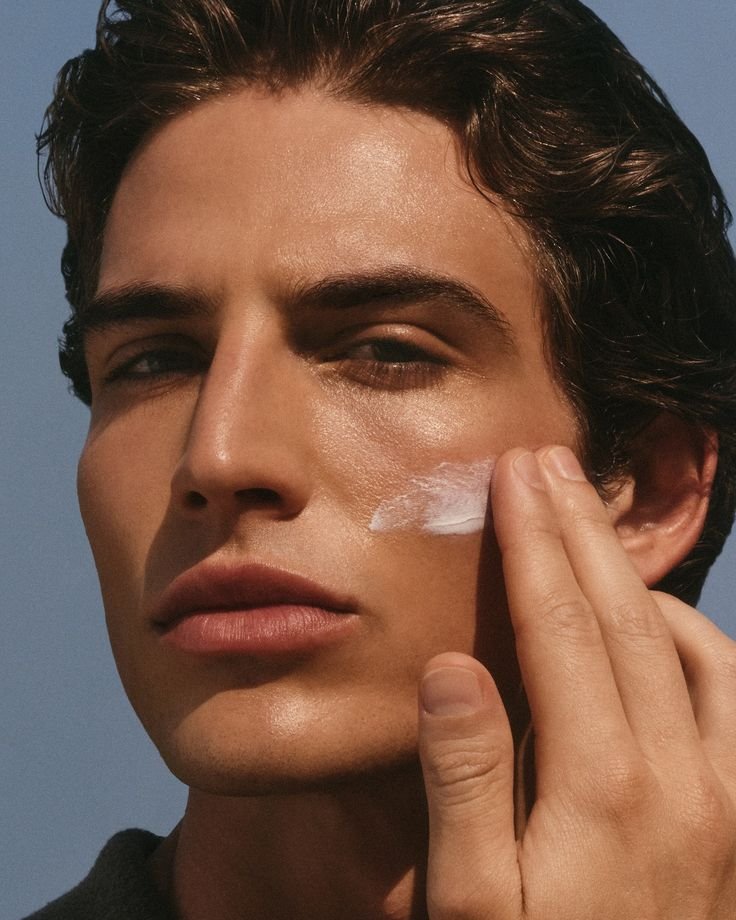
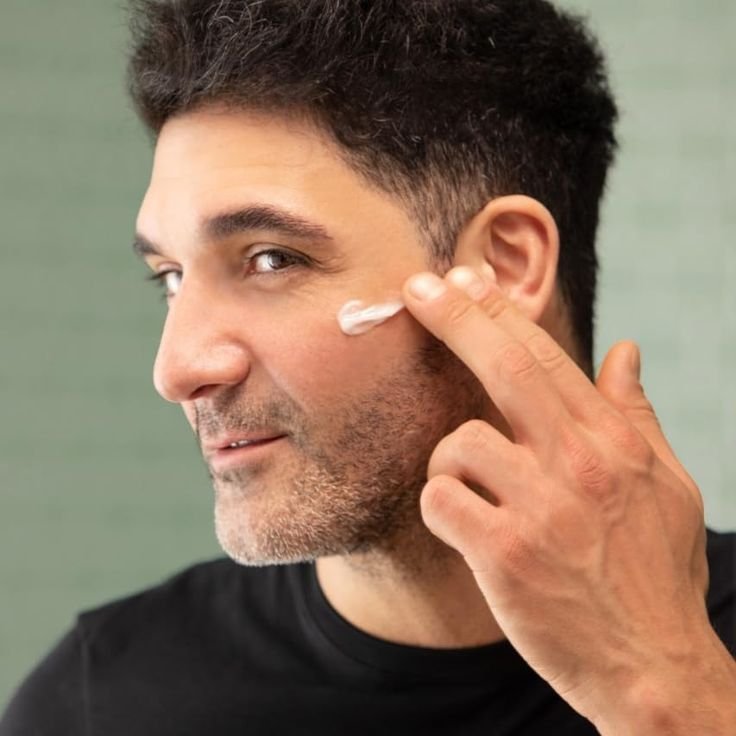
It’s about the ten minutes you spend walking to your car, the two hours you sit next to a window at your desk, the drive with sun hitting your left arm and jaw every single afternoon. That’s where most of the damage actually happens — quietly, daily, invisibly.
At Gent Armor, we don’t do “10 sunscreens to try” listicles built off Amazon bestseller rankings. This is a breakdown of what’s actually inside the bottle — the UV filters, the actives, the physiology of male skin that changes how sunscreen performs on you specifically — so you walk away knowing exactly what the best sunscreen for men looks like for your skin, not someone else’s.
Quick Summary — Best Sunscreen for Men at a Glance
If you’re short on time, here’s the fast version before we go deep:
- The best sunscreen for men isn’t about the highest SPF number — SPF 30 to 50 is the sweet spot backed by dermatologists.
- Mineral sunscreens (zinc oxide, titanium dioxide) are the safer starting point if you have sensitive, acne-prone, or post-shave skin.
- Chemical sunscreens absorb faster and leave no white cast, which matters if you want daily wearability.
- Male skin is roughly 25% thicker with nearly double the sebum output — this changes which sunscreen for men actually works without feeling greasy.
- If you’re searching for the best sunscreen for men with oily skin, look for oil-free, non-comedogenic, mineral-hybrid formulas.
- Beard coverage is not sun protection — 42% of male melanomas occur on the neck, ears, and lower face.
- Our three picks for the best sunscreen for men this year: EltaMD UV Clear Broad-Spectrum SPF 46, Supergoop Unseen Sunscreen SPF 40, and Blue Lizard Sport Mineral SPF 50.
Now let’s get into why.
Why “Sunscreen for Men” Is Actually a Different Category
It sounds like a marketing gimmick at first. Sunscreen is sunscreen, right? Not quite.
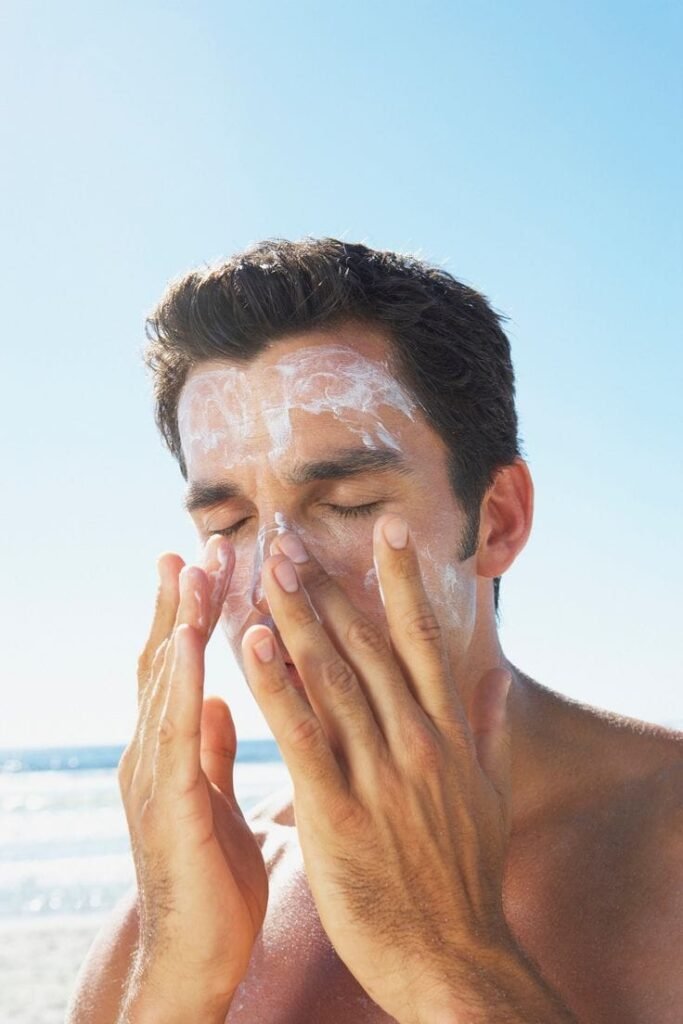
Male facial skin runs about 25% thicker than female skin, mostly because of higher collagen density and a thicker dermis layer underneath. On top of that, male sebaceous glands are driven by higher androgen activity, which means close to double the sebum output across the day.
That combination changes everything about how a sunscreen for men needs to behave. A formula built for thinner, drier skin often feels heavy, occlusive, and greasy on male skin — which is exactly why so many guys try sunscreen once, hate the feel, and never touch it again. The best sunscreen for men isn’t chemically different at a molecular level. It’s a formula built to match a thicker, oilier surface without clogging pores or leaving that unbearable film by noon.
The Two UV Filter Categories, Explained Properly
Every single sunscreen you’ll ever buy falls into one of two buckets — mineral or chemical. Everything else is branding.
Mineral Filters — Zinc Oxide and Titanium Dioxide
Mineral filters sit on top of the skin and physically reflect and scatter UV radiation before it ever penetrates. Zinc oxide is the gold standard here, offering true broad-spectrum coverage across both UVA and UVB. Titanium dioxide is slightly more effective against UVB and shorter UVA wavelengths.
Non-nano zinc oxide has become the go-to choice in reef-safe and sensitive-skin formulas, because the larger particle size stays put on the surface instead of getting absorbed. If you’re dealing with reactive skin, active breakouts, or post-shave irritation, mineral filters are usually the safer entry point into the best sunscreen for men category, since there’s no chemical reaction happening inside your skin — just a physical shield sitting on top of it.
Chemical Filters — Avobenzone and the New Generation
Chemical filters work the opposite way. They absorb UV radiation and convert it into a small, harmless amount of heat that’s released from the skin. Avobenzone remains the most common UVA filter across Western sunscreen-for-men formulas, usually stabilized alongside octocrylene or homosalate, since it breaks down fairly quickly under direct sunlight on its own.
Here’s something worth knowing if you care about where this category is headed. In 2026, the FDA cleared bemotrizinol for U.S. use — the first entirely new sunscreen active approved in over twenty years. It’s been standard across European and Asian sunscreen formulas for a while, offering photostable, broad-spectrum protection without the greasy finish older chemical filters are known for. It hasn’t fully hit U.S. shelves yet, but keep an eye on it if you care about where the best sunscreen for men is trending next.
Chemical filters generally absorb faster, skip the white cast entirely, and layer more comfortably under other actives — which is exactly why most “invisible finish” sunscreen for men products lean on this category.
The SPF Number Trap Almost Every Guy Falls Into
This is where most men get the entire best sunscreen for men decision wrong. The instinct is to grab SPF 100 because it sounds like double the protection of SPF 50. It isn’t.
SPF 30 blocks about 97% of UVB rays. SPF 50 blocks about 98%. SPF 100 blocks around 99%. That gap is small — and in the U.S., the FDA doesn’t even allow SPF claims above 60, because the data simply doesn’t support stronger protection meaningfully past that point.
The real problem with chasing triple-digit SPF isn’t the number itself. It’s the behavior it encourages. Guys who buy SPF 100 tend to apply thinner layers, skip reapplication, and stay in the sun longer, assuming the number is doing more heavy lifting than it actually is. Every dermatologist we’ve referenced agrees on one point: SPF 30 to 50, applied generously — about a quarter teaspoon just for the face — and reapplied every two hours, beats a high number applied carelessly, every single time.
If you want the actual side-by-side math on SPF tiers, our full comparison here breaks it down further: https://reviewdermatica.com/sunscreen-spf-30-vs-spf-50/
Best Sunscreen for Men with Oily Skin
This is one of the most common searches we see, and for good reason. Oily skin and sunscreen have historically had a rocky relationship — thick, occlusive formulas sitting on already-oily skin are a recipe for clogged pores and breakouts by mid-afternoon.
If you’re specifically hunting for the best sunscreen for men with oily skin, a few rules make the search much easier. Look for “oil-free” and “non-comedogenic” on the label first — these formulas are built to sit on oilier skin without adding to it. Gel-based or fluid textures tend to outperform creams and lotions here, since they absorb faster and leave a more matte finish. Chemical filters or hybrid mineral-chemical blends usually wear better than pure mineral formulas on oily skin, since heavy zinc-only formulas can feel chalky and sit on top of excess sebum rather than blending into it.
We put together a full breakdown of formulas that skip the greasy finish entirely in our no-white-cast guide, which is especially useful if oily skin and white residue have been your two biggest sunscreen complaints: https://gentarmor.com/no-white-cast-sunscreen-for-men/
Facial Hair and Sun Protection — The Gap Almost Nobody Talks About
If you have any facial hair at all, this section matters more than anything else on this page. Roughly 42% of male melanomas occur on the neck, ears, and lower face — areas that get chronically under-protected because men assume beard coverage doubles as sunscreen.
It doesn’t, not even close. Short beards under about a centimeter offer only SPF 2 to 3 protection, which is functionally nothing. Longer beards block slightly more direct light, but UV still travels through hair shafts and reflects back off the skin underneath. The correct move is applying a lightweight gel or fluid sunscreen for men directly onto clean, dry skin beneath the beard — part it in sections the way you’d treat a scalp application, lift, apply, repeat, rather than trusting the beard itself to do the job.
What to Actually Look for When Choosing the Best Sunscreen for Men
Cutting through the filters, the SPF myths, and the marketing noise, here’s what should genuinely drive your decision.
Broad-spectrum labeling is non-negotiable. It confirms the product covers both UVA, which drives aging and pigmentation, and UVB, which drives burning and cancer risk. Past that, match the formula to your actual skin type instead of the biggest number on the shelf.
For oily or acne-prone skin, oil-free, non-comedogenic mineral or hybrid formulas keep the sunscreen itself from contributing to breakouts — a common reason men quit SPF within a few weeks of starting. For sensitive or post-shave skin, fragrance-free mineral formulas built around zinc oxide minimize the stinging that chemical filters can trigger on a compromised barrier. For a desk-heavy schedule, a lightweight SPF 30 moisturizer hybrid is far more sustainable long-term than a thick SPF 50+ sport formula you’ll skip because it’s inconvenient to reapply.
Increasingly, the best sunscreen formulas for men are also pairing UV filters with barrier-supporting actives like ceramides, niacinamide, and hyaluronic acid. That means the sunscreen does double duty — protecting against UV damage while actively supporting your skin barrier, instead of just sitting there as a passive shield. If you’re curious how niacinamide stacks up against other actives in a full routine, we cover that in detail here: https://gentarmor.com/niacinamide-vs-retinol-for-men/
Reef-Safe Filters and Why They Matter Beyond the Beach
If you swim, surf, or spend real time in ocean water, filter choice picks up an environmental dimension too. Oxybenzone and octinoxate — two older chemical filters — are banned in several coastal regions, including Hawaii and Palau, due to documented coral reef toxicity.
Reef-safe sunscreen for men formulas lean on non-nano zinc oxide instead, which comes with a nice side benefit: it’s generally better tolerated by sensitive and reactive skin, making it a reasonable everyday default even if you never go near the ocean.
A Sunscreen for Men Routine That Actually Sticks
None of the chemistry above matters if the bottle sits unused in a drawer. The routine that actually works long-term is deliberately boring: cleanse, apply a broad-spectrum SPF 30 to 50 as your last morning step, reapply if you’re outdoors for a stretch.
This lines up with where men’s grooming is heading overall in 2026 — away from ten-step routines and toward a handful of consistent, repeatable actions. Daily sunscreen for men fits that model exactly. It’s a two-minute step with a payoff measured in decades, not days. Pair it with a simple AM routine, and you’ve covered most of what actually prevents visible aging — no ten-product shelf required. For the full framework, our regimen protocols hub is a good next stop: https://gentarmor.com/regimen-protocols/
How This Fits Into a Bigger Skin Strategy
Sunscreen doesn’t work in isolation, and treating it like a single fix misses the point. UV damage interacts directly with how your skin turns over cells, which is exactly why we built out a deeper look at that process in our Retinoids & Cell Turnover breakdown: https://gentarmor.com/retinoids-cell-turnover/
If you want the full picture of how actives, filters, and ingredients interact across a routine, our Molecular Breakdown hub pulls all of it together in one place: https://gentarmor.com/molecular-breakdown/
And if you’re the type who wants a second, independent opinion before buying, our sister site Review Dermatica has a direct side-by-side worth reading before you check out: https://reviewdermatica.com/eltamd-uv-clear-vs-supergoop-unseen-sunscreen/
Our 3 Picks for the Best Sunscreen for Men
We tested, cross-referenced, and researched dozens of formulas to land on three picks that cover the three situations most men actually deal with — everyday wear, oily skin, and active outdoor use. This is our real answer to “what’s the best sunscreen for men,” not a paid placement list.
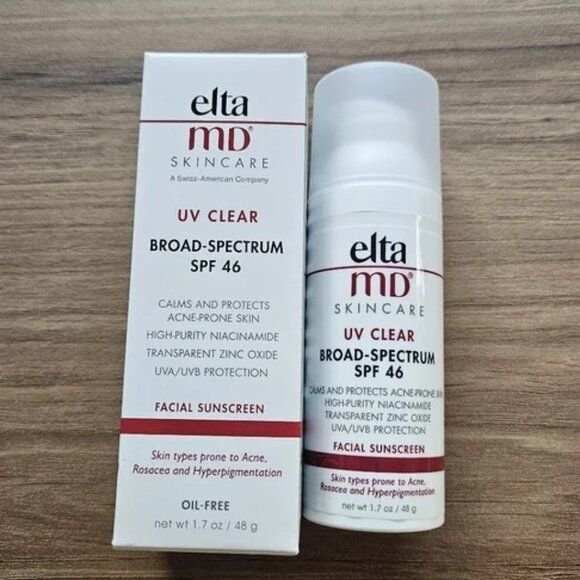
1. EltaMD UV Clear Broad-Spectrum SPF 46
This is our top overall pick and the one we point to most often when someone asks for the single best sunscreen for men. It’s a hybrid formula built around niacinamide, which means it’s actively calming for acne-prone and post-shave skin while still delivering broad-spectrum SPF 46 protection. The finish is lightweight and matte, making it a strong daily-wear option for men who hate the heavy, greasy feel of older SPF formulas.
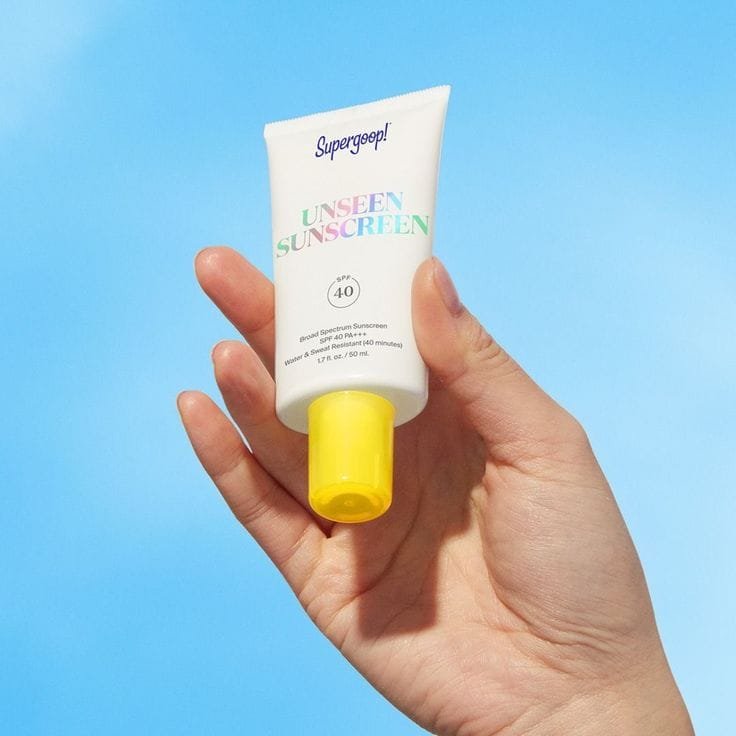
2. Supergoop Unseen Sunscreen SPF 40
If you’re specifically after the best sunscreen for men with oily skin, this is the one we’d point you toward. It’s a nearly weightless, gel-like formula that dries into an invisible, primer-like finish — genuinely oil-free and non-comedogenic, which makes it easy to layer under other products without adding shine. It’s chemical-filter-based, so it absorbs fast with zero white cast, which matters if you’re applying it before heading straight into a meeting or out the door.
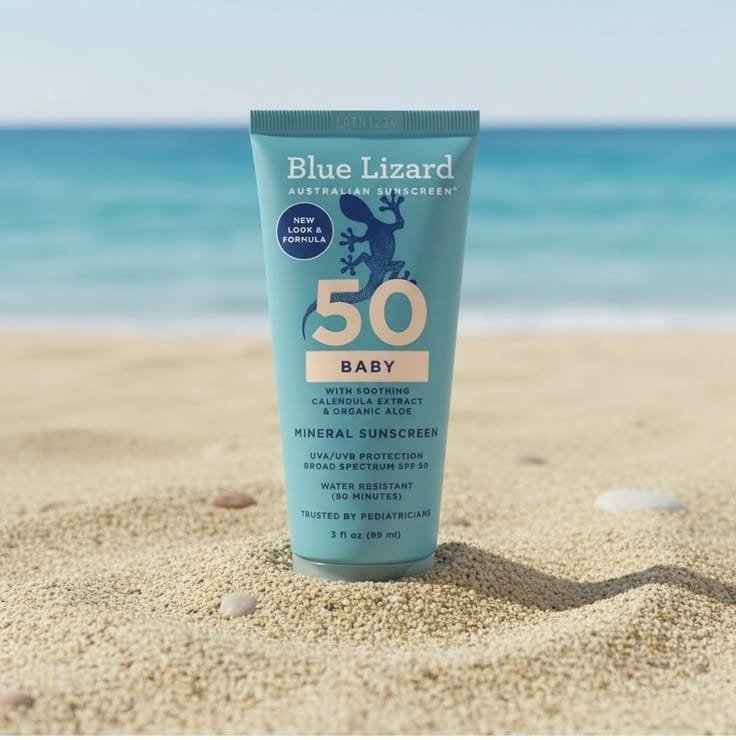
3. Blue Lizard Sport Mineral SPF 50
For anyone spending real time outdoors — training, hiking, working outside — this is the pick. It’s a pure mineral formula built around zinc oxide, water-resistant, and reef-safe, making it the most reliable choice for sensitive or reactive skin that can’t tolerate chemical filters. It sits a little heavier than the other two, but for active, sweat-heavy conditions, that’s exactly the trade-off you want from the best sunscreen.
The Bottom Line
The best sunscreen for men was never about the biggest SPF number on the shelf. It’s the formula you’ll actually reach for every single morning, matched to your skin type, with genuine broad-spectrum coverage and a filter system your skin can tolerate long-term. Mineral filters remain the safest default for reactive or post-shave skin. Chemical filters win on daily wearability. And if oily skin has kept you off sunscreen entirely, the best sunscreen for men with oily skin is out there — you just need to know what to actually look for on the label instead of trusting the front of the bottle.
That’s the whole philosophy behind Gent Armor — cutting through the noise so you know exactly what you’re putting on your skin, and why.
Sources
National Cancer Institute (NIH) — UV Radiation and Cancer Risk
Covers how UVA and UVB rays damage skin cell DNA differently, and why UV radiation exposure is considered a major risk factor for basal cell carcinoma, squamous cell carcinoma, and melanoma.
🔗 https://www.cancer.org/cancer/risk-prevention/sun-and-uv/uv-radiation.html American Cancer Society
American Academy of Dermatology (AAD) — Sunscreen FAQs
The AAD’s official guidance confirms that dermatologists recommend using sunscreen with an SPF of at least 30, which blocks about 97% of UVB rays, and note that higher SPF numbers offer only marginal additional protection. It also notes UV exposure has been classified as a known carcinogen by major health bodies.
🔗 https://www.aad.org/media/stats-sunscreen AAD
American Academy of Dermatology (AAD) — How to Select a Sunscreen
Practical selection criteria straight from the AAD: broad-spectrum coverage, SPF 30+, and water resistance are the three non-negotiables dermatologists point to on any label.
🔗 https://www.aad.org/public/everyday-care/sun-protection/shade-clothing-sunscreen/how-to-select-sunscreen
PubMed / International Journal of Women’s Dermatology — Male vs. Female Skin: What Dermatologists and Cosmeticians Should Know
A 57-study literature review confirming sebum, skin thickness, hydration, and pigmentation are generally higher in men, while skin pH runs higher in women — the physiological basis for why sunscreen for men needs a different formulation approach.
🔗 https://pubmed.ncbi.nlm.nih.gov/30175213/ Ovid
PubMed — Skin Physiology in Men and Women: In-Vivo Evaluation of 300 People
A clinical study of 300 subjects finding that sebum production and pH value differ notably by sex, with men’s skin showing significantly different water-loss patterns than women’s up to age 50.
🔗 https://pubmed.ncbi.nlm.nih.gov/23713991/ PubMed