
Best No White Cast Sunscreen for Men in 2026 — Ranked & Reviewed
Introduction
Let’s be honest. Most men skip sunscreen for one reason — the dreaded white cast. You apply it, rub it in, and suddenly your face looks like it’s been dusted with flour. That chalky residue is the single biggest reason guys avoid SPF altogether, even when they know it’s non-negotiable for healthy skin.
The good news is that a proper no-white-cast sunscreen for men actually exists in 2026, and it’s not some rare unicorn product. Formulation science has come a long way. Modern micronized zinc oxide, hybrid chemical filters, and tinted mineral bases now blend into every skin tone without that ghostly finish.
At Gent Armor, we tested a wide range of formulas built specifically to solve this problem — from lightweight daily sunscreens for oily skin to dedicated options for deeper skin tones. This guide ranks the best ones, explains the science behind white cast, and shows you exactly how to apply sunscreen so it disappears into your skin instead of sitting on top of it.
Quick Summary — Our Top Picks
If you’re short on time, here’s the fast answer. These are the sunscreens that consistently blended in without a trace, based on our testing across different skin tones and skin types.
- Best Overall: EltaMD UV Clear Broad-Spectrum SPF 46
- Best for Black Skin: Black Girl Sunscreen SPF 30
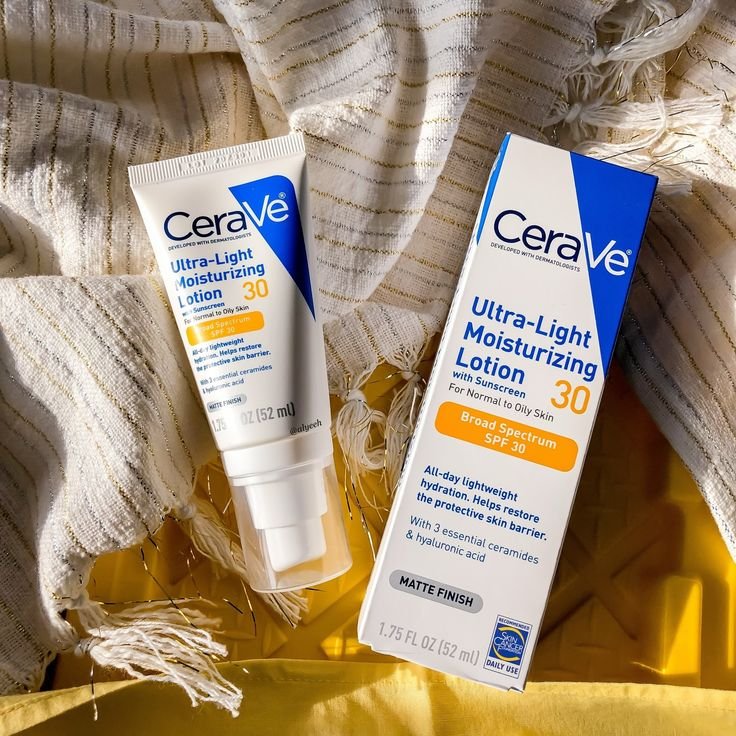
- Best for Oily Skin: CeraVe Ultra-Light Moisturizing Lotion SPF 30
- Best Non-Greasy Option: La Roche-Posay Anthelios Ultra-Light Fluid SPF 60
We’ll break each of these down below, along with what makes a sunscreen prone to white cast in the first place.
Why Does Sunscreen Leave a White Cast on Men’s Skin?
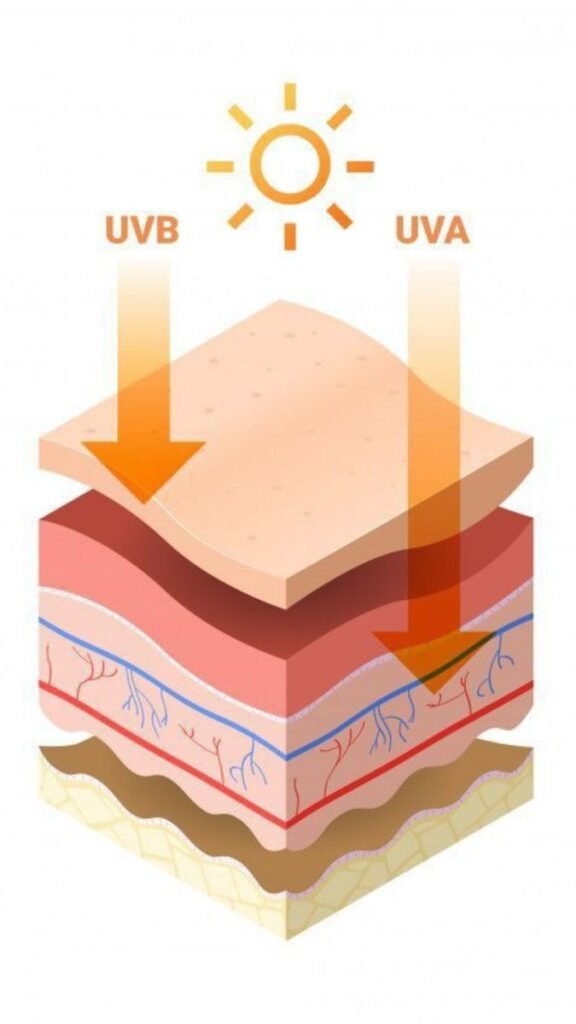
White cast happens when the active UV-filtering ingredients in a sunscreen sit on the surface of your skin instead of absorbing into it. This is most common with mineral sunscreens.
Mineral sunscreens use zinc oxide or titanium dioxide to physically reflect UV rays. In their raw form, both ingredients are naturally white. Older formulas used larger, unrefined particles, which scattered visible light and left that pale, ashy tint.
Chemical sunscreens work differently. They absorb UV rays instead of reflecting them, which is why they usually blend in clear. The tradeoff is that some men prefer mineral formulas for sensitive or acne-prone skin, since they tend to cause less irritation.
The problem is especially noticeable on medium and deep skin tones, where the contrast between the white residue and natural skin color is much more visible. This is exactly why searches for sunscreen for black skin and no white cast options have grown so quickly.
What We Looked For When Testing
Every product on this list was judged against the same criteria, so the comparisons are fair.
We prioritized formulas that blended in within 60 seconds of application, without needing to be rubbed in aggressively. We also checked how each one performed on oily, dry, and combination skin over a full day of wear.
Broad-spectrum protection was a must. Anything below SPF 30 didn’t make the cut. We also factored in texture, since a genuinely non-greasy sunscreen for men matters just as much as the finish.
Finally, we looked at ingredient lists for anything that could clog pores or trigger breakouts, since that’s a common complaint among men trying SPF for the first time.
Best No White Cast Sunscreen for Men in 2026 — Ranked
EltaMD UV Clear Broad-Spectrum SPF 46 — Best Overall
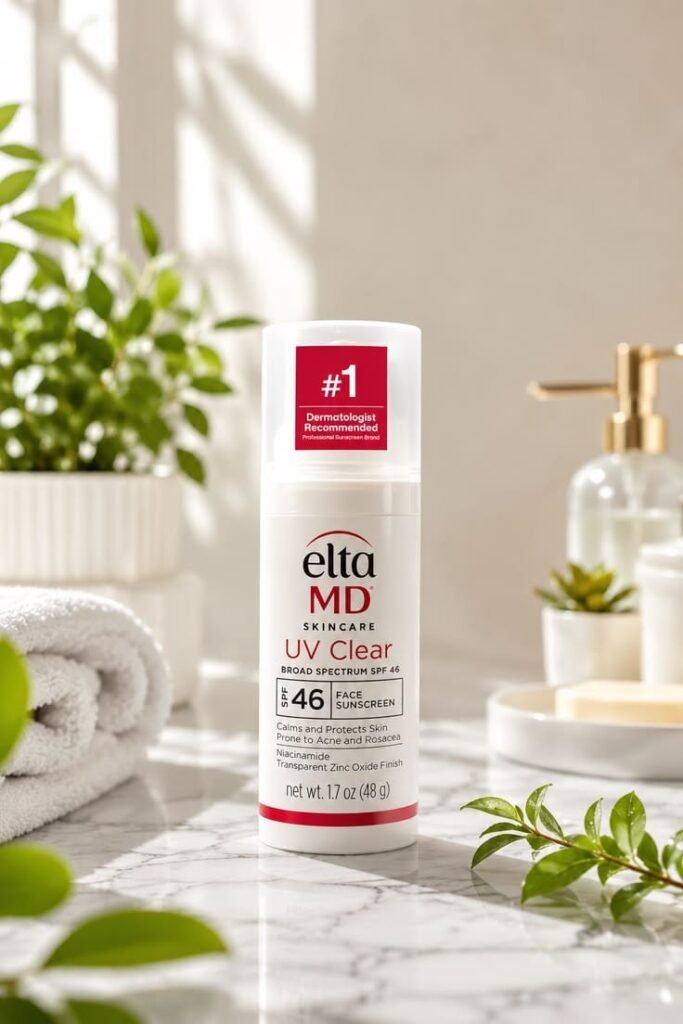
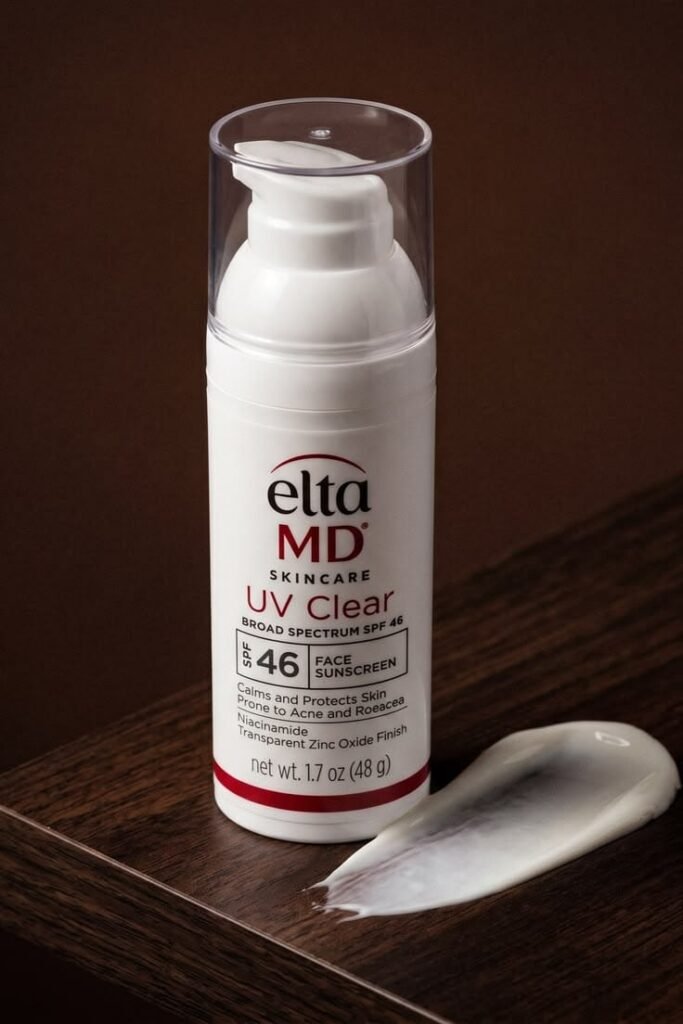
This is the sunscreen we recommend most often, and for good reason. EltaMD UV Clear uses a niacinamide-infused, oil-free formula that sinks in fast and leaves zero residue, even on darker skin tones.
It was originally developed for post-procedure and acne-prone skin, which means it’s gentle enough for daily wear without breaking you out. The finish is completely matte, making it a strong pick if shine bothers you throughout the day.
We’ve covered this product in full detail, including ingredient breakdown and long-term wear results, in our EltaMD UV Clear SPF 46 review.
Black Girl Sunscreen SPF 30 — Best for Black Skin
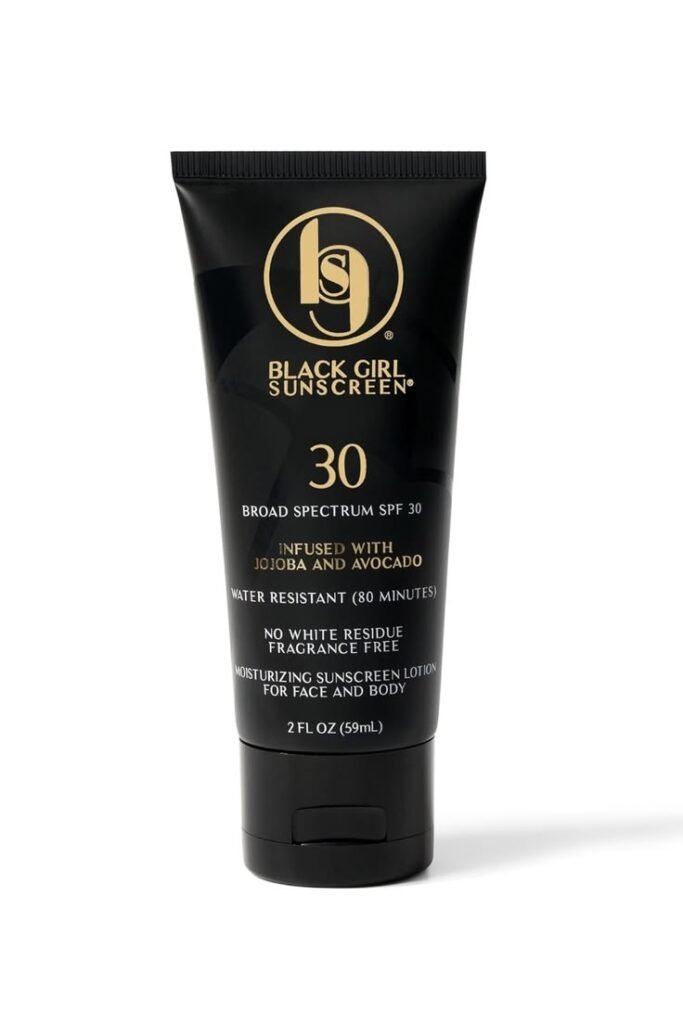
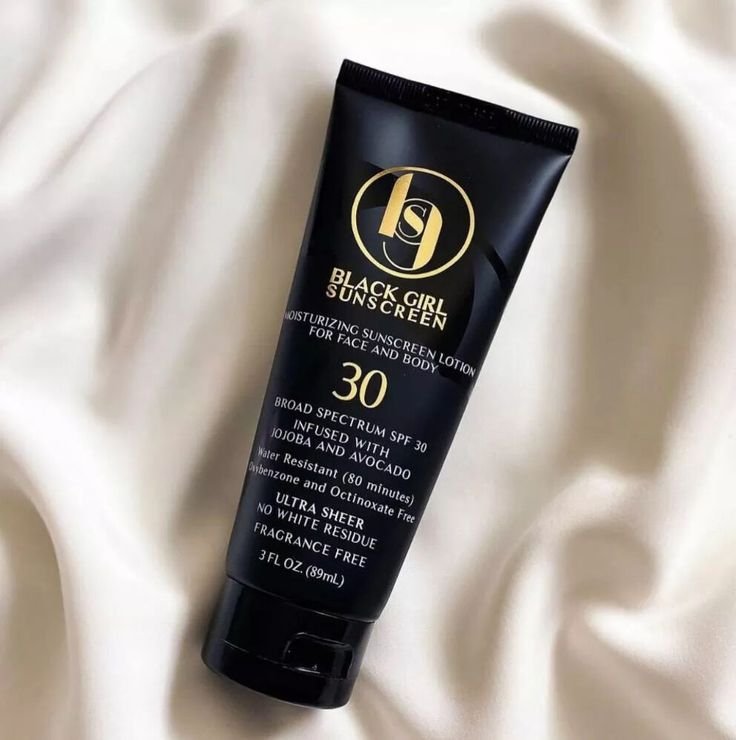
Built specifically to solve the white cast problem on deeper skin tones, this sunscreen uses a chemical filter base with a lightweight, moisturizing finish. It applies clear and leaves a natural sheen rather than a matte or ashy look.
For men searching specifically for sunscreen for black skin, this remains one of the most reliable options on the market. It also contains avocado and jojoba oil, which helps with hydration on drier skin types.
CeraVe Ultra-Light Moisturizing Lotion SPF 30 — Best for Oily Skin
If shine is your main concern, this one is worth a look. CeraVe’s ultra-light formula uses a gel-lotion hybrid texture that absorbs quickly and mattifies as it dries.
It includes ceramides and niacinamide, which support your skin barrier while you’re getting sun protection. This makes it a solid pairing with a barrier-focused routine, similar to what we cover in our Barrier Repair & Lipids breakdown.
La Roche-Posay Anthelios Ultra-Light Fluid SPF 60 — Best Non-Greasy Option
This is one of the most tested sunscreens in dermatology circles, and it earns its reputation. The fluid texture is genuinely weightless, and the high SPF rating makes it a strong choice for outdoor days.
It’s a chemical formula, so it applies clear from the first swipe. If you want a non-greasy sunscreen for men that also works well under a moisturizer or light aftershave balm, this is a dependable pick.
Neutrogena Hydro Boost Water Gel SPF 30 — Best Budget Pick
This is the most affordable option on the list, and it still performs well. The water-gel base hydrates without feeling heavy, and it blends in without any noticeable cast on light to medium skin tones.
It won’t outperform the premium picks above on darker skin tones, but for the price, it’s a dependable everyday option for men just starting a sunscreen habit.
No White Cast Sunscreen for Men’s Face — What Actually Matters
When you’re shopping specifically for a sunscreen without white cast on your men’s face, texture matters more than the SPF number. A high SPF formula with a heavy, chalky base will always underperform a well-formulated SPF 30 that blends in seamlessly.
Look for terms like “micronized zinc,” “sheer,” or “tinted” on mineral products. These indicate the particle size has been refined enough to avoid the classic white finish.
If you have facial hair, apply the sunscreen before your beard oil or balm, and rub it in against the grain first to make sure it reaches the skin underneath, not just the hair.
Best Sunscreen for Black Skin — A Closer Look
Deeper skin tones need extra attention when shopping for sunscreen, since even a small amount of residual white cast is far more visible than it would be on lighter skin.
Chemical sunscreens, or hybrid formulas that combine a small amount of mineral filter with chemical actives, tend to work best here. Black Girl Sunscreen and EltaMD UV Clear both perform consistently well in this category, based on our testing.
If you want a deeper technical comparison between two of the most talked-about formulas in this space, we’ve broken it down in our EltaMD UV Clear vs Supergoop Unseen Sunscreen comparison.
Non-Greasy Sunscreen for Men — How to Choose One
Greasy sunscreen is almost as common a complaint as white cast, and the two issues are related. Heavier mineral bases often feel greasy because the formula needs extra oil to help the zinc particles spread evenly.
Gel and fluid textures are your best bet if shine control is a priority. These formulas are usually alcohol-based or water-based, which means they dry down faster and leave a more matte finish.
If you’re unsure how SPF strength affects texture and wear, our guide on SPF 30 vs SPF 50 walks through the tradeoffs in more depth.
How to Apply Sunscreen So It Doesn’t Leave a Cast
Even a great formula can leave a white cast if it’s applied wrong. Here’s how to get it right every time.
Start with a small, pea-sized amount and warm it between your fingers before applying. This softens the formula and helps it spread more evenly across your skin.
Apply in thin layers rather than one thick coat. If you need more coverage, build it up gradually instead of applying everything at once.
Give it 60 to 90 seconds to set before touching your face again. Most white cast complaints come from people checking the mirror too early, before the formula has fully absorbed.
Mineral vs Chemical Filters — Which Should You Choose?
This is one of the most common questions we get, and the honest answer is that it depends on your skin type and tone.
Mineral filters are gentler and better suited for sensitive or acne-prone skin, but they carry a higher risk of white cast unless the formula uses micronized particles. Chemical filters almost always apply clear, but a small number of men experience mild irritation with certain active ingredients.
If you’re also using actives like retinoids in your nighttime routine, mineral sunscreen is usually the safer daytime pairing, since it reduces the risk of extra sensitivity. We go deeper into how retinoids affect your skin barrier in our Retinoids & Cell Turnover guide.
For men comparing newer chemical filter technologies, our breakdown of UVMune 400 vs UVAir covers two of the most advanced options currently available.
Frequently Asked Questions
Does SPF 50 leave more white cast than SPF 30?
Not necessarily. White cast depends much more on the formula and filter type than the actual SPF number. A well-formulated SPF 50 that uses micronized zinc or a chemical filter base can apply completely clear, while a poorly formulated SPF 30 with unrefined mineral particles can leave a heavy, chalky finish. Instead of judging a sunscreen by its SPF rating alone, check whether it’s labeled sheer, micronized, or tinted, since these are better indicators of how it will actually look on your skin.
Can I use a no white cast sunscreen for men every day?
Yes, and you should. Daily use is exactly what these formulas are designed for, whether you’re indoors most of the day or spending time outside. UV exposure adds up even through windows and on cloudy days, so consistency matters more than occasional heavy application. Most dermatologists recommend reapplying every two hours if you’re outdoors for extended periods, and at least once midday if you’re mostly inside but near windows.
Is mineral or chemical sunscreen better for acne-prone skin?
Mineral sunscreen is generally the safer choice for acne-prone or reactive skin, since it sits on top of the skin rather than being absorbed, which lowers the chance of irritation. That said, some men find that certain mineral formulas feel heavier or more likely to trap oil throughout the day. If you go the chemical route, look for oil-free or non-comedogenic labeling, since several modern chemical filters are formulated specifically to avoid clogging pores.
Does sunscreen work under moisturizer?
Order matters here. Apply your moisturizer first and give it a minute or two to fully absorb, then follow with sunscreen as your final skincare step before any makeup or tinted balm. Applying sunscreen before moisturizer can dilute its protective film and reduce how evenly it sits on your skin, which increases the chances of patchiness or a visible cast in certain areas.
Why does my sunscreen look fine at first but turn white later in the day?
This usually happens with mineral sunscreens as they settle and interact with natural oils on your skin. As the day goes on, sebum production can cause the zinc particles to separate slightly, creating a more visible white tint than what you saw right after application. Blotting excess oil with a tissue rather than rubbing it in, and choosing a matte-finish formula, can help reduce this effect.
Do I need a different sunscreen for my neck and body than my face?
It’s not required, but it’s often more practical. Facial sunscreens tend to be formulated with lighter textures and skin-specific ingredients like niacinamide, which are worth the extra cost for the face. For the neck, chest, and body, a broad-spectrum body sunscreen is usually more cost-effective and just as protective, since those areas typically need a thicker layer applied over a larger surface.
Can beard growth affect how well sunscreen protects my skin?
Yes, to some extent. Facial hair can block sunscreen from reaching the skin directly underneath it, leaving that area more exposed to UV damage than the rest of your face. Applying sunscreen against the direction of hair growth helps the product reach the skin more effectively, and running a small amount over the beard itself adds a layer of protection for the hair and scalp underneath.
How long does an opened sunscreen actually stay effective?
Most sunscreens remain effective for about 12 months after opening, though this can vary by brand and formula. Check the small jar icon on the packaging, which usually indicates the period-after-opening timeframe. If the texture separates, changes color, or develops an odd smell before that window ends, it’s a sign the active ingredients may have degraded, and it’s time to replace it.
Conclusion
Finding a no-white-cast sunscreen for men isn’t as hard as it used to be. The formulas on this list prove that you don’t have to choose between sun protection and a natural finish.
EltaMD UV Clear remains our top recommendation for most skin types, while Black Girl Sunscreen is the strongest pick specifically for deeper skin tones. Whichever one you choose, the most important habit is consistency. Skipping sunscreen because of a bad past experience is a fixable problem, not a permanent one.
For more product-by-product breakdowns and skincare science built for men, explore our full Regimen Protocols section on Gent Armor.