
7 Proven Secrets of Retinoids & Cell Turnover for Renewal
If you’ve spent more than five minutes researching skincare, you’ve probably run into two words over and over: retinoids and cell turnover. And there’s a reason for that. Retinoids and cell turnover are, without exaggeration, the single most researched combination in modern dermatology — and the science behind them explains why so many men see real, visible changes in their skin once they start using retinoids consistently.
But here’s the thing. Most articles either oversimplify retinoids and cell turnover into a two-line explanation, or they drown you in clinical jargon that nobody actually reads to the end. This guide takes a different approach. We’re breaking down retinoids and cell turnover into 7 proven secrets — the kind of practical, science-backed information that actually changes how you use your retinoid, not just how much you know about it.
Whether you’re brand new to actives or you’ve already got a bottle of retinol sitting in your cabinet, understanding the real relationship between retinoids and cell turnover will change the way you think about your entire routine.
What Is Cell Turnover, And Why Retinoids Matter
Before we get into the secrets, let’s define the core relationship between retinoids and cell turnover clearly.
Cell turnover is your skin’s natural renewal process — old skin cells at the surface shed off, and new cells rise up from the deeper layers to replace them. In your 20s, this cycle happens roughly every 28 days. By your late 30s and 40s, that same cycle can stretch out to 45-60 days or longer. Slower cell turnover means dullness, clogged pores, rough texture, and slower healing.
This is exactly where retinoids and cell turnover intersect. Retinoids — which include over-the-counter retinol, prescription tretinoin, and adapalene — are one of the only ingredient classes clinically proven to directly accelerate cell turnover. They don’t just sit on the skin; they bind to retinoic acid receptors in your skin cells and quite literally instruct your skin to renew itself faster.
That’s the foundation. Now let’s get into the 7 secrets.
Secret 1 — How Retinoids Work On Skin At The Cellular Level
Understanding how retinoids work on skin is the first step to using them correctly. Retinoids convert into retinoic acid inside the skin, where they bind to nuclear receptors (RAR and RXR) inside your skin cells. This binding action changes gene expression in the cell, essentially “switching on” faster cell division and turnover.
This is different from an exfoliant like a scrub or an AHA. Physical and chemical exfoliants remove dead cells from the surface. Retinoids go deeper — they change the behavior of the cells before they even reach the surface. That’s why how retinoids work on skin is fundamentally different, and more powerful long-term, than surface-level exfoliation alone.
Secret 2 — The Retinoid Cell Renewal Cycle Explained
The retinoid cell renewal cycle isn’t instant, and this is the single biggest reason people quit too early. When you first apply a retinoid, your skin doesn’t just glow overnight. Instead, the retinoid cell renewal cycle typically follows this pattern:
Week 1-2: Retinization phase. Skin may look flaky, feel tight, or show mild redness as older, weaker cells are pushed to the surface faster than usual.
Week 3-6: The retinoid cell renewal cycle starts stabilizing. Flaking reduces, and skin texture starts smoothing out as new cells replace old ones more efficiently.
Week 8-12: Visible results. Pores appear smaller, tone evens out, and fine lines soften as collagen production increases alongside faster cell turnover.
Knowing this cycle in advance is what separates people who stick with retinoids long enough to see results from people who give up during week two.
For a full week-by-week breakdown of what to expect, check out our Regimen Protocols section, where we map out exact retinization timelines for different skin types.
Secret 3 — Retinol Skin Cell Turnover vs Tretinoin And Cell Turnover
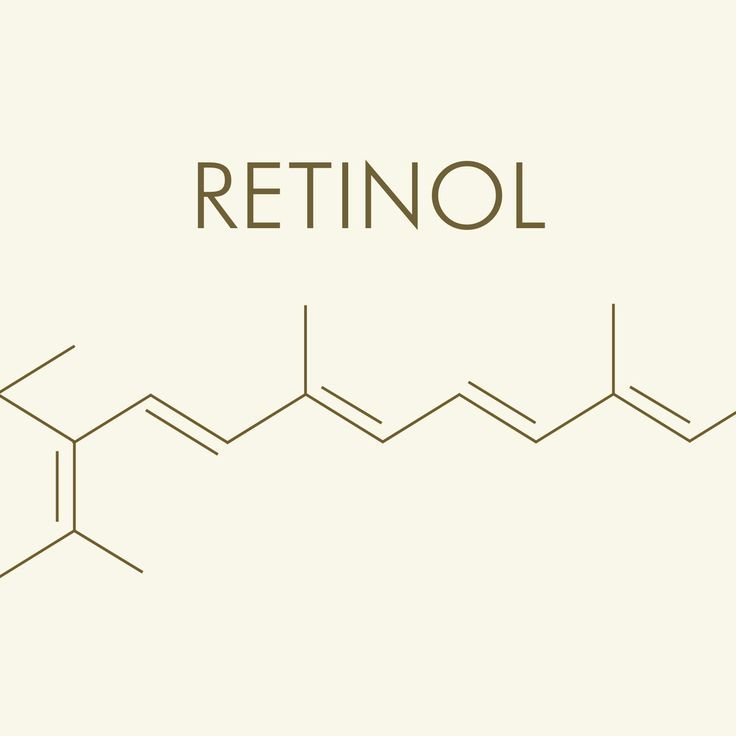
This is one of the most common points of confusion. Retinol skin cell turnover and tretinoin and cell turnover work through the same biological mechanism, but at very different strengths.
Retinol is an over-the-counter retinoid. It has to convert twice inside the skin (retinol → retinaldehyde → retinoic acid) before it becomes active. This makes retinol skin cell turnover gentler and slower, which is ideal for beginners.
Tretinoin, on the other hand, is already in its active retinoic acid form — no conversion needed. That’s why tretinoin and cell turnover happen faster and more intensely, which is also why tretinoin requires a prescription and closer monitoring for irritation.
If you’re just starting out, retinol skin cell turnover is the safer entry point. If you’ve built tolerance over several months and want faster, more dramatic renewal, tretinoin and cell turnover is the next logical step — ideally under guidance from a dermatologist.
Secret 4 — How Retinoids And Cell Turnover Affect Collagen Production
Faster cell turnover isn’t just about surface texture. Retinoids and cell turnover also directly influence collagen production in the deeper dermis. As retinoids accelerate the renewal of surface cells, they simultaneously stimulate fibroblasts — the cells responsible for producing collagen and elastin.
This dual action is why long-term retinoid users see benefits beyond just smoother texture: firmer skin, reduced fine lines, and a more even tone. The relationship between retinoids and cell turnover isn’t a one-time event — it’s a compounding process that keeps improving with consistent use over months, not days.
Secret 5 — The Right Way To Start Using Retinoids For Better Cell Turnover
Getting the retinoid cell renewal cycle right depends heavily on how you introduce the product. Here’s the method that minimizes irritation while still driving effective retinol skin cell turnover:
Start with a pea-sized amount, 2-3 nights a week, on fully dry skin.
Always apply moisturizer afterward to buffer the retinoid and support your skin barrier.
Increase frequency gradually over 4-6 weeks as tolerance builds.
Always use sunscreen during the day — retinoids and cell turnover leave fresh skin cells more vulnerable to UV damage.
We’ve built a full application walkthrough with product-specific instructions in our GentArmor Lab section, covering exactly how to layer retinoids with the rest of your routine.
Secret 6 — Common Mistakes That Slow Down The Retinoid Cell Renewal Cycle
Even with the best product, certain habits quietly sabotage retinoids and cell turnover:
Overusing acids alongside retinoids (like strong AHAs or BHAs) — this over-strips the skin and disrupts the retinoid cell renewal cycle instead of supporting it.
Skipping moisturizer — a compromised barrier slows retinol skin cell turnover and increases irritation.
Applying too much, too soon — more product does not mean faster tretinoin and cell turnover results; it just means more irritation.
Skipping sunscreen — this is the single biggest mistake, since retinoids and cell turnover already increase sun sensitivity.
Avoiding these mistakes is often the difference between someone who says “retinoids didn’t work for me” and someone who sees dramatic renewal after 90 days.
Secret 7 — Building A Full Regimen Around Retinoids And Cell Turnover
Retinoids and cell turnover work best as part of a complete system, not a standalone product. A well-built regimen typically layers:
A gentle, non-stripping cleanser
Retinoid application at night (starting with retinol for skin cell turnover before progressing to tretinoin and cell turnover if needed)
A barrier-supporting moisturizer with ceramides
Daily broad-spectrum SPF in the morning, non-negotiable For ingredient-by-ingredient product recommendations that pair well with retinoids, Review Dermatica has published an in-depth breakdown of retinol serums and how they compare across formulations — their research is worth checking out if you’re deciding which product to buy of retinol serums and how they compare across formulations — a useful next read if you’re deciding which product to buy.
Frequently Asked Questions About Retinoids & Cell Turnover
How long does it actually take to see results from retinoids and cell turnover?
Most people expect overnight results, but the retinoid cell renewal cycle works in phases, and understanding this timeline is critical to sticking with it. In the first 2 weeks, your skin is going through what’s called the retinization phase — this is when older, weaker cells are being pushed to the surface faster than your skin is used to, which often causes flaking, mild redness, or a tight feeling. This is not a sign that the product isn’t working; it’s actually a sign that the retinoid cell renewal cycle has started.
Between weeks 3 and 6, this initial irritation typically settles down as your skin adjusts, and you’ll start noticing smoother texture and slightly more even tone as retinol skin cell turnover stabilizes. The real visible transformation — smaller-looking pores, softened fine lines, brighter overall tone — usually shows up between weeks 8 and 12, once collagen production has ramped up alongside faster cell turnover.
If you’re using tretinoin instead of retinol, tretinoin and cell turnover can move slightly faster through these stages, but the same general timeline applies. The biggest mistake people make is judging results at the 2-week mark and quitting before the actual renewal cycle has had time to complete.
Is retinol or tretinoin better for supporting cell turnover?
This depends almost entirely on your skin’s tolerance level and experience with actives, since retinol skin cell turnover and tretinoin cell turnover work through the same biological pathway but at very different intensities. Retinol is an over-the-counter ingredient that has to convert twice inside your skin — first into retinaldehyde, then into active retinoic acid — before it can start driving cell turnover. This two-step conversion process naturally slows things down and makes retinol gentler, which is exactly why it’s the recommended starting point for anyone new to retinoids.
Tretinoin, by contrast, is already in its fully active retinoic acid form the moment it touches your skin, so tretinoin and cell turnover happen more directly and more intensely, with no conversion delay. This makes tretinoin more effective per use, but also significantly more likely to cause irritation, peeling, and sensitivity if your skin hasn’t built up tolerance first.
The safest and most sustainable approach is to start with retinol skin cell turnover for at least 2-3 months, let your skin barrier adapt, and only consider moving to tretinoin and cell turnover if you want faster, more dramatic results and can get a prescription with proper dermatological guidance.
Why does my skin get worse before it gets better when I start a retinoid?
This is one of the most misunderstood parts of the entire retinoid cell renewal cycle, and it’s the number one reason people abandon retinoids within the first month. When you introduce a retinoid, it immediately starts accelerating how retinoids work on skin at the cellular level — binding to retinoic acid receptors and instructing skin cells to divide and shed faster than they normally would. Your skin isn’t used to this accelerated pace, so the outer layer temporarily becomes more fragile while it catches up to the new renewal speed.
This shows up as flaking, dryness, redness, or a rough texture, commonly referred to as “retinization” or the purging phase. Importantly, this is a temporary side effect of the retinoid cell renewal cycle kicking into gear, not an allergic reaction or a sign of damage.
The skin barrier typically re-stabilizes within 2 to 4 weeks as your cells adjust to the new turnover rate. Using a gentle, non-stripping moisturizer during this phase and avoiding other active ingredients like AHAs or BHAs can significantly reduce how uncomfortable this adjustment period feels, without slowing down the actual renewal process underneath.
Do I need to change my entire skincare routine when I start using a retinoid?
You don’t need to overhaul everything, but a few strategic changes make a significant difference in how well retinoids and cell turnover actually perform together.
First, your cleanser should be gentle and non-stripping, since a compromised skin barrier makes retinization far more irritating and slows down retinol skin cell turnover overall. Second, moisturizer becomes non-negotiable — applying it after your retinoid (or even mixing a small amount with your retinoid, known as buffering) helps control the intensity of tretinoin and cell turnover without diluting its effectiveness over time. Third, and most critically, daytime sunscreen becomes mandatory rather than optional.
Because retinoids and cell turnover bring fresher, less UV-resistant skin cells to the surface faster than normal, skipping SPF while using a retinoid significantly increases your risk of sun damage, dark spots, and reversing the very renewal benefits you’re trying to build. Beyond these three adjustments, you can generally keep the rest of your routine intact, just introduced gradually and never layered directly on top of other strong actives on the same night.
Can I use retinoids every night, or should I build up slowly?
Building up slowly is almost always the better strategy, especially if this is your first time working with retinol or tretinoin and cell turnover. The retinoid cell renewal cycle responds to consistency, not intensity — meaning your skin doesn’t renew faster just because you’re applying more product or using it more frequently right away.
In fact, jumping straight to nightly use is one of the most common mistakes that actually slows things down, because it overwhelms the skin barrier, causes excessive peeling, and often forces people to stop using the product altogether just to let their skin recover.
A more effective approach is to start with 2 to 3 nights per week for the first 2 to 4 weeks, allowing your skin to adjust to how retinoids work on skin at a manageable pace. From there, you can gradually increase to every other night, and eventually nightly use, once your skin shows it can tolerate the increased frequency without excessive dryness or redness.
This slow-build method consistently produces better, more sustainable results for retinoids and cell turnover than an aggressive, all-at-once approach.
Final Thoughts On Retinoids And Cell Turnover
At the end of the day, retinoids and cell turnover represent one of the most well-researched, clinically backed relationships in all of skincare. The retinoid cell renewal cycle isn’t magic — it’s biology, and understanding how retinoids work on skin puts you in control of the process instead of guessing your way through it.
Whether you start with retinol skin cell turnover or work your way up to tretinoin and cell turnover, consistency and patience are what separate real, lasting renewal from another abandoned bottle in the bathroom cabinet.