
7 Proven Secrets of Barrier Repair & Lipids for Stronger Skin
Most men chase visible results — brighter skin, fewer breakouts, sharper texture — without ever thinking about what’s actually holding all of that together beneath the surface. That foundation is your skin barrier, and nothing affects it more directly than barrier repair and lipids. If your barrier repair and lipids balance is off, no serum, no retinoid, and no expensive product will perform the way it’s supposed to.
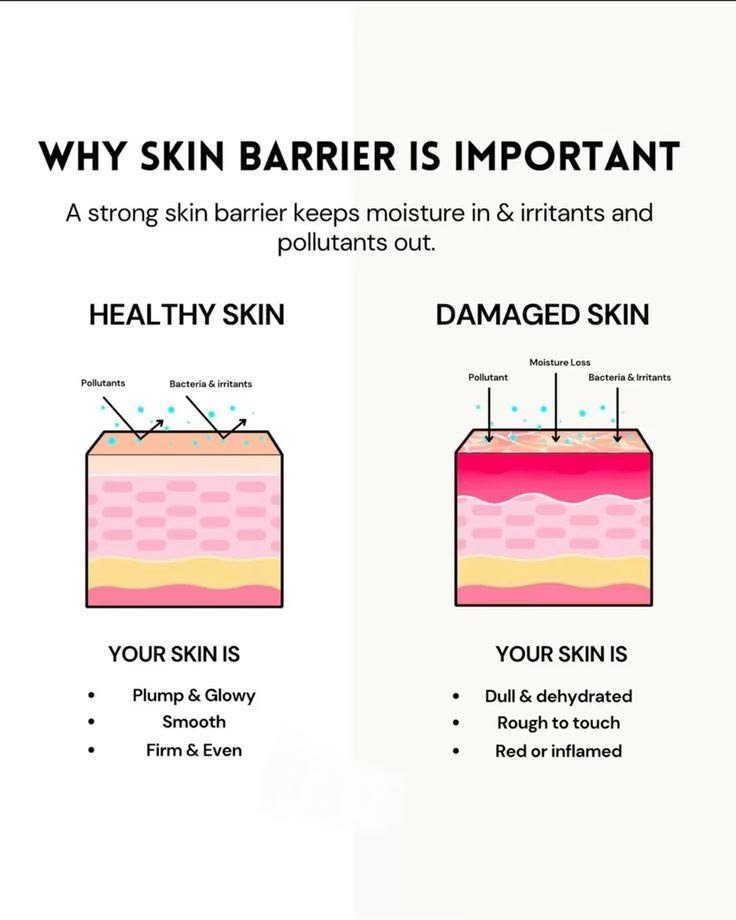
Barrier repair and lipids sound like a niche dermatology topic, but they’re really the single most overlooked factor in men’s skincare. A weak barrier means more irritation, more sensitivity, more breakouts, and slower recovery from every active ingredient you use. A strong barrier means your skin can actually handle retinoids, actives, and daily stressors without falling apart.
This guide breaks down barrier repair and lipids into 7 practical, science-backed secrets — the kind of information that changes how you build your entire routine, not just what you apply on top of it.
What Barrier Repair & Lipids Actually Means
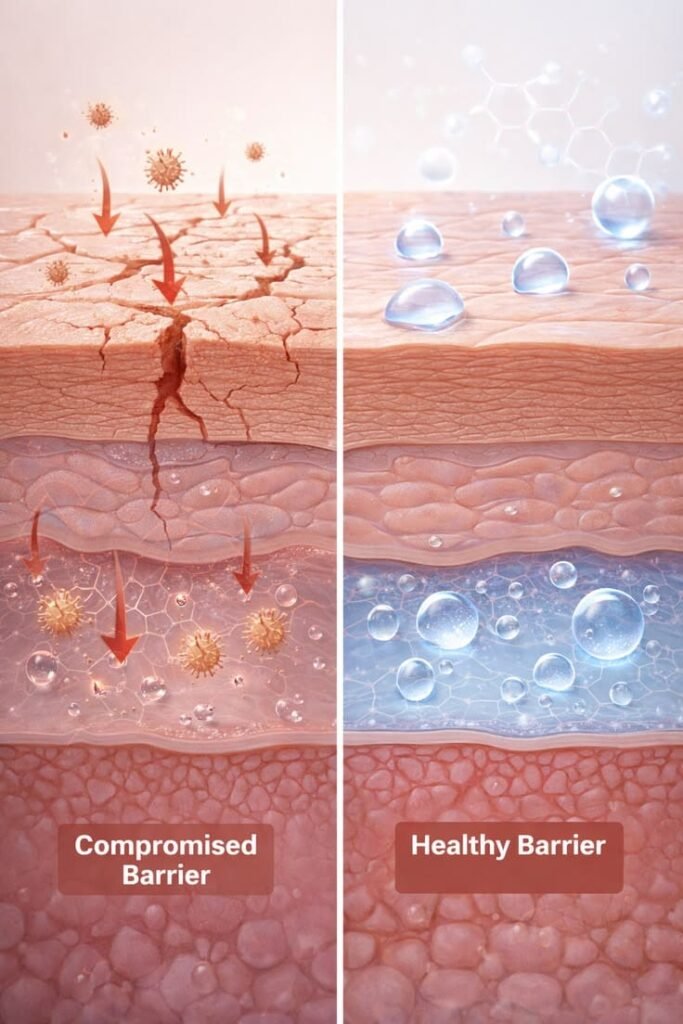
Your skin’s outermost layer, the stratum corneum, works like a brick wall. The “bricks” are skin cells, and the “mortar” holding them together is a mix of lipids — mainly ceramides, cholesterol, and fatty acids. This lipid mortar is what barrier repair and lipid research are centered on, because when this mortar breaks down, moisture escapes and irritants get in far more easily.
When barrier repair and lipids are balanced, skin looks calm, feels comfortable, and tolerates actives well. When they’re depleted — from over-exfoliating, harsh cleansers, or over-using strong actives — the barrier becomes compromised, and everything from redness to breakouts to premature aging accelerates.
Secret 1 — The Three Lipids That Control Barrier Repair
Barrier repair and lipids research consistently points to three core lipid types working together: ceramides, cholesterol, and free fatty acids. Ceramides make up the largest share of the barrier and are responsible for holding moisture in and blocking irritants out. Cholesterol supports the structure of the barrier itself, keeping the lipid layers organized. Free fatty acids round out the mix, helping regulate how flexible and resilient the skin barrier is under daily stress.
The ratio between these three lipids matters as much as their presence. Studies on barrier repair and lipids show that an imbalance — even with all three present — can still leave skin vulnerable. This is why simply using “a moisturizer” isn’t enough; the right moisturizer needs to reflect this natural lipid ratio to genuinely support barrier repair.
Secret 2 — Signs Your Skin Barrier Is Already Damaged
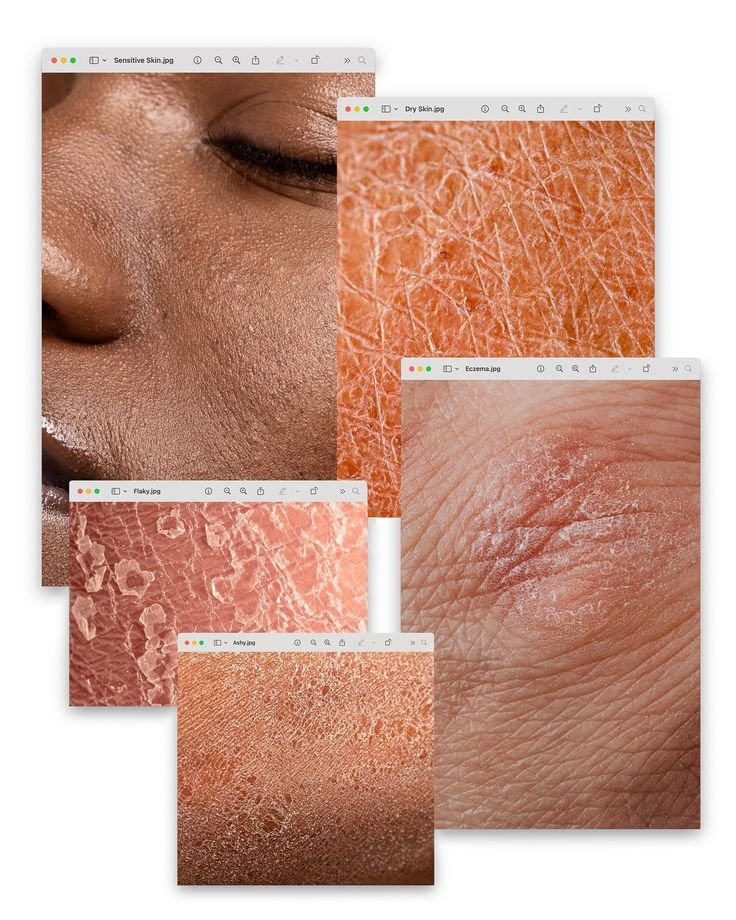
Most men don’t realize their barrier repair and lipid balance is compromised until symptoms show up clearly. Common signs include persistent tightness after cleansing, unexplained redness or sensitivity, skin that stings when you apply products that never used to bother you, increased breakouts despite no change in routine, and rough or flaky patches that don’t respond to regular moisturizer.
If you’re seeing two or more of these signs, it’s a strong indicator that barrier repair and lipids need to become the actual priority in your routine — ahead of actives, ahead of exfoliation, ahead of anything else.
Secret 3 — Why Over-Exfoliating Destroys Barrier Repair & Lipids
One of the biggest mistakes in men’s skincare is treating exfoliation as something you can never overdo. Strong acids, harsh scrubs, and daily use of actives all strip away the very lipids that barrier repair and lipids depend on. Every time you over-exfoliate, you’re removing part of that ceramide and cholesterol mortar before your skin has had time to rebuild it.
This creates a cycle: stripped barrier leads to more sensitivity, which leads to more irritation from every product applied afterward, which further damages barrier repair and lipids over time. Breaking this cycle means slowing down, not adding more products — often the opposite of what most men assume the fix should be.
Secret 4 — The Right Way To Restore Barrier Repair & Lipids
Rebuilding barrier repair and lipids isn’t complicated, but it does require consistency. The most effective approach includes switching to a gentle, non-foaming cleanser that doesn’t strip natural oils, using a moisturizer formulated with ceramides, cholesterol, and fatty acids in balanced ratios, temporarily reducing or pausing strong actives like retinoids or acids until sensitivity settles, and applying moisturizer while skin is still slightly damp to lock in hydration more effectively.
Most men see noticeable improvement in barrier repair and lipids within 2 to 4 weeks of consistently following this approach, with redness and sensitivity dropping first, followed by improved tolerance to actives.
Secret 5 — How Barrier Repair & Lipids Affect Your Ability To Use Actives
Here’s the part most men miss entirely: a damaged barrier doesn’t just feel uncomfortable; it directly limits how well every other product in your routine performs. Retinoids, vitamin C, and exfoliating acids all rely on a healthy barrier to be tolerated properly. Without strong barrier repair and lipids, these actives cause irritation instead of results, forcing many men to give up on ingredients that would otherwise work well for them.
This is why dermatologists increasingly recommend barrier repair and lipids as the starting point before introducing any new active — not an afterthought you deal with only after something goes wrong.
Secret 6 — Ingredients That Genuinely Support Barrier Repair & Lipids
Not every “barrier repair” product on the shelf actually delivers on barrier repair and lipids science. Look specifically for ceramides (NP, AP, EOP types are the most studied), cholesterol, listed clearly in the ingredient panel, linoleic acid and other fatty acids, and niacinamide, which supports lipid synthesis within the skin itself.
Products built around these ingredients are formulated specifically to replace what’s been lost, rather than simply sitting on the surface as a temporary barrier the way heavier occlusive-only products do.
Review Dermatica has published detailed formulation breakdowns comparing ceramide moisturizers across different brands — their research is a useful reference if you’re deciding which product actually matches your skin’s needs.
Secret 7 — Building A Daily Routine Around Barrier Repair & Lipids
Long-term barrier repair and lipid health comes down to a simple, repeatable structure: a gentle cleanser that doesn’t strip natural oils, a ceramide-rich moisturizer applied both morning and night, careful, gradual reintroduction of actives only once sensitivity has fully resolved, and daily SPF, since UV exposure is one of the fastest ways to break down barrier lipids over time.
Once this foundation is in place, everything else in your routine — retinoids, actives, treatments — performs better, because barrier repair and lipids are no longer working against you.
For a deeper breakdown of how to layer actives on top of a repaired barrier without triggering sensitivity, check out our Regimen Protocols section for step-by-step routines built around barrier tolerance.
Frequently Asked Questions About Barrier Repair & Lipids
1: How do I know if my skin barrier is actually damaged and needs repair?
A damaged skin barrier rarely announces itself with one obvious symptom — it usually shows up as a combination of small, persistent issues that most men brush off as “just how their skin is.” When barrier repair and lipids are depleted, your skin loses its ability to retain moisture and block out irritants, and that shows up in specific, recognizable ways. Watch for:
- Skin that feels tight or dry within an hour or two of cleansing, even after moisturizing
- Random redness or blotchy patches that appear without any new product being introduced
- A stinging or burning sensation from products that never used to irritate you before
- Increased breakouts or clogged pores despite no change in your actual routine
- Rough, flaky texture that moisturizer alone doesn’t seem to fix
- Skin that reacts badly to sun, wind, or temperature changes more than it used to
If two or more of these are showing up consistently, your barrier repair and lipids balance is very likely compromised, and it should become the priority in your routine before you add anything new.
2: What ingredients should I actually look for to fix a damaged barrier?
Not every product labeled “barrier repair” is formulated with real barrier repair and lipid science behind it, so knowing exactly what to check for on the ingredient label makes a real difference. The most clinically supported ingredients include:
- Ceramides (specifically NP, AP, or EOP types, which are the most studied and most similar to your skin’s natural ceramides)
- Cholesterol, which helps keep the lipid layers structurally organized
- Linoleic acid and other free fatty acids, which support barrier flexibility and resilience
- Niacinamide, which helps stimulate your skin’s own lipid production rather than just sitting on the surface
- Squalane, which mimics your skin’s natural oils without clogging pores
- Panthenol (pro-vitamin B5), which supports hydration retention alongside lipid repair
A genuinely effective barrier repair and lipids formula usually combines several of these together in a balanced ratio, rather than relying on just one ingredient alone.
3: Can I still use retinoids or acids while my barrier is healing?
In most cases, it’s best to pause or significantly reduce strong actives while your barrier repair and lipid levels are recovering, since using them too early can undo the progress you’re making. Here’s how to approach it step by step:
- Week 1-2: Stop retinoids, exfoliating acids, and any harsh actives completely, focusing only on a gentle cleanser and a ceramide-rich moisturizer
- Week 3-4: Once tightness, redness, and flakiness have noticeably improved, reintroduce one active at a time, starting with the mildest option
- Week 5 onward: Slowly increase frequency of that one active, watching closely for any return of sensitivity, before considering adding a second active back in
Rushing actives back into your routine before barrier repair and lipids have stabilized is one of the most common reasons people get stuck in a cycle of chronic sensitivity that never fully resolves.
4: How long does it take to fully repair a damaged skin barrier?
The timeline depends on how depleted your barrier repair and lipid levels were to begin with, but there’s a fairly predictable general pattern most people follow. In the first few days, minor improvements in tightness and comfort often appear simply from stopping harsh products and switching to a gentler cleanser. Within the first 1-2 weeks, consistent use of a ceramide-based moisturizer typically starts reducing redness and flaking noticeably. By weeks 2-4, most mild-to-moderate barrier damage shows significant improvement, with skin feeling calmer and less reactive to daily stressors. For more severe or long-term barrier damage, full recovery of barrier repair and lipids can take 6-8 weeks or longer, especially if actives are reintroduced too early and cause setbacks. Patience during this window matters more than adding extra products, since barrier repair and lipids rebuild gradually, not overnight.
5: What daily habits accidentally damage barrier repair & lipids without me realizing it?
Many of the habits that quietly destroy barrier repair and lipids feel completely normal or even “healthy” on the surface, which is exactly why they go unnoticed for so long. Common hidden culprits include:
- Washing your face with hot water instead of lukewarm water, which strips natural oils faster than you’d expect
- Over-cleansing, especially double-cleansing every single day when it isn’t necessary for your skin type
- Using foaming or sulfate-heavy cleansers that feel “squeaky clean” but strip essential lipids
- Layering too many actives at once, especially combining acids and retinoids in the same routine
- Skipping moisturizer after showering because skin “feels fine” in the moment
- Skipping sunscreen, which allows UV damage to break down barrier lipids over time even without visible irritation
Final Thoughts On Barrier Repair & Lipids
Barrier repair and lipids aren’t the flashy part of skincare, but they’re the part everything else depends on. Skip this foundation, and even the best products in the world will underperform. Get barrier repair and lipids right, and suddenly your skin can handle more, recover faster, and actually show the results you’ve been chasing all along Gent Armor .