
7 Proven Secrets of Peptides & Growth Factors for Skin Renewal
If retinoids are the ingredient everyone talks about, peptides and growth factors are the ones quietly working behind the scenes for men who want real, structural changes in their skin — not just surface-level glow. Peptides and growth factors don’t get as much attention in mainstream men’s skincare conversations, but dermatological research has been building around them for years, and for good reason.
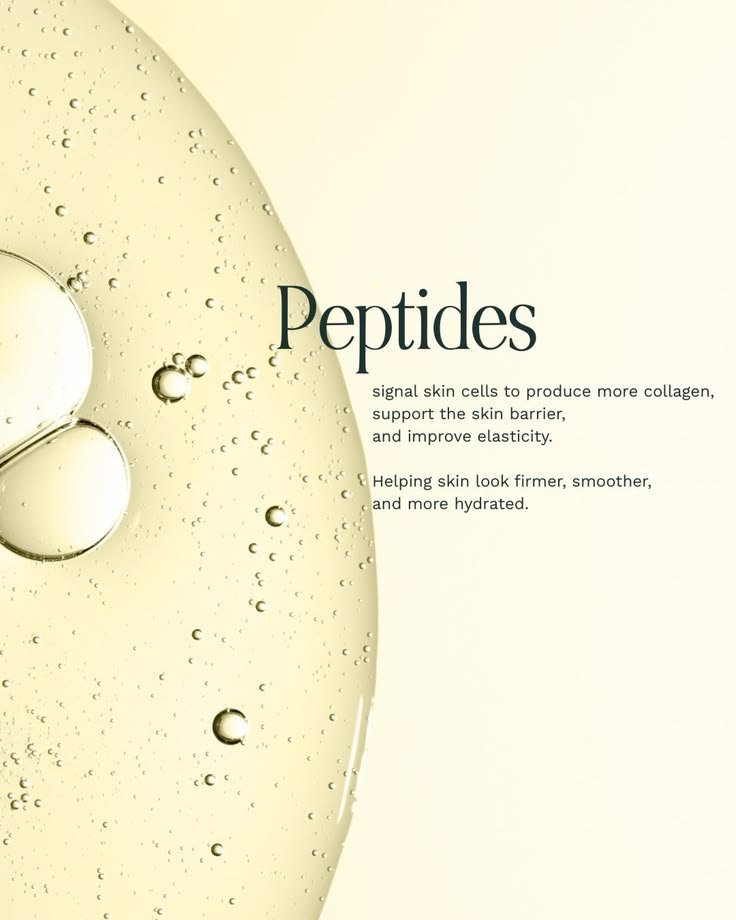
Peptides and growth factors work at a deeper level than most actives. Instead of just exfoliating or hydrating, they send direct biochemical signals to your skin cells, essentially instructing them to repair, rebuild, and produce more of the structural proteins that keep skin firm and resilient. This guide breaks down peptides and growth factors into 7 practical, science-backed secrets so you understand exactly what they do and how to actually use them.
What Peptides & Growth Factors Actually Are
Peptides are short chains of amino acids — small fragments of the same building blocks that make up proteins like collagen and elastin. When applied topically, certain peptides and growth factors are recognized by skin cells as signals, triggering specific biological responses like increased collagen synthesis or accelerated wound repair.
Growth factors work similarly but are larger, more complex proteins that occur naturally in the body and play a direct role in cell growth, division, and tissue repair. Together, peptides and growth factors form one of the most targeted categories of skincare actives available, because instead of broadly affecting the skin, they communicate directly with specific cellular pathways.
Secret 1 — How Peptides & Growth Factors Trigger Collagen Production
One of the most well-documented effects of peptides and growth factors is their ability to stimulate collagen production. Certain peptides, known as signal peptides, mimic fragments of broken-down collagen. When your skin detects these fragments, it interprets them as a sign that collagen has been damaged and needs to be rebuilt — triggering fibroblasts to produce new collagen in response.
Growth factors amplify this effect further by directly activating the cellular machinery responsible for collagen and elastin synthesis. This combination is why consistent use of peptides and growth factors is associated with firmer, more resilient skin over time, particularly for men starting to notice early signs of aging like fine lines or loss of skin density.
Secret 2 — Different Types of Peptides & Growth Factors, And What They Do
Not all peptides and growth factors serve the same function, and understanding the differences helps you choose products that actually match your skin goals. Signal peptides stimulate collagen and elastin production, making them useful for firmness and fine lines. Carrier peptides deliver trace minerals like copper to the skin, supporting wound healing and enzymatic processes involved in repair. Enzyme-inhibitor peptides slow down the natural breakdown of existing collagen, helping preserve skin structure over time. Neurotransmitter-affecting peptides work similarly to mild muscle relaxants, softening the appearance of expression lines.
Growth factors, meanwhile, are typically categorized by which cellular process they support — some focus on epidermal repair, others on vascular and tissue regeneration. Products combining multiple types of peptides and growth factors tend to offer broader, more comprehensive support than single-ingredient formulas.
Secret 3 — Why Peptides & Growth Factors Need Consistent, Long-Term Use
Unlike exfoliants or brightening agents that can show quick results, peptides and growth factors work through gradual, cumulative signaling. Collagen remodeling is a slow biological process — even when a peptide successfully signals your skin to produce more collagen, that new collagen takes weeks to fully form and integrate into the skin’s structure.
This is why peptides and growth factors are typically evaluated over 8- to 12-week periods in clinical studies, not days or a couple of weeks. Men who see the best long-term results from peptides and growth factors are almost always the ones using them consistently, night after night, rather than sporadically.
Secret 4 — How Peptides & Growth Factors Compare To Retinoids

It’s common to wonder whether you need retinoids, peptides and growth factors, or both. The truth is, these two categories work through different mechanisms and complement each other rather than compete. Retinoids primarily accelerate cell turnover, pushing older cells to shed faster while newer cells rise to the surface. Peptides and growth factors, on the other hand, focus more directly on stimulating collagen synthesis and supporting structural repair.
Many dermatologists recommend combining both — using a retinoid to manage turnover and texture, while layering in peptides and growth factors to support firmness and long-term structural resilience. For a deeper breakdown of how retinoids drive skin renewal, our Retinoids & Cell Turnover page covers the full mechanism in detail.
Secret 5 — Do Peptides & Growth Factors Cause Irritation?
One of the most appealing aspects of peptides and growth factors is how well-tolerated they generally are compared to stronger actives like retinoids or acids. Because peptides work through signaling rather than exfoliation or chemical exposure, most formulations are gentle enough for daily use, even on sensitive skin.
That said, not all products labeled with peptides and growth factors are created equal. Poorly formulated products with high concentrations of certain carrier peptides, or products combined with irritating fragrances or alcohols, can still cause sensitivity. Patch-testing any new product is still recommended, even with generally gentle ingredients like peptides and growth factors.
Secret 6 — How To Layer Peptides & Growth Factors Into Your Routine
Getting the sequencing right matters, since peptides and growth factors are typically formulated to be absorbed into cleaner, well-prepped skin. The most effective structure includes cleansing first to remove any barriers to absorption, applying peptides and growth factors on clean, slightly damp skin to support better penetration, following with a moisturizer to lock in the treatment, and layering sunscreen on top during the day, since collagen-supporting ingredients work best when protected from UV-related breakdown.
If you’re combining peptides and growth factors with a retinoid, most dermatologists recommend applying peptides first, allowing a few minutes for absorption, then following with retinoid application to avoid buffering out the retinoid’s effectiveness.
Secret 7 — What Results To Realistically Expect From Peptides & Growth Factors
Setting realistic expectations is critical with peptides and growth factors, since results build gradually rather than appearing overnight. In the first 2-4 weeks, most men notice improved hydration and slightly smoother texture as the skin barrier responds positively to gentle, non-irritating actives. Between weeks 4-8, early signs of firmness and improved elasticity typically start to appear as collagen synthesis increases. By weeks 8-12 and beyond, more noticeable changes in fine lines, skin density, and overall resilience become apparent, particularly with consistent nightly use.
Review Dermatica has published detailed research comparing peptide serum formulations and their collagen-stimulating claims — their findings are a useful reference if you’re trying to identify which products are backed by real clinical evidence versus marketing alone.
Frequently Asked Questions About Peptides & Growth Factors
1: What exactly do peptides and growth factors do for the skin?
Peptides and growth factors work through a signaling process rather than physically exfoliating or chemically altering the skin’s surface, which is what makes them fundamentally different from ingredients like retinoids or acids. Peptides are short chains of amino acids that mimic fragments of broken-down collagen. When your skin cells detect these fragments, they interpret it as a signal that existing collagen has been damaged, which triggers fibroblasts to ramp up production of new collagen and elastin in response. Growth factors work alongside this process by directly activating cellular pathways responsible for tissue repair, cell growth, and regeneration.
Together, this means peptides and growth factors don’t just sit on top of the skin — they communicate with skin cells at a biological level, encouraging the skin to rebuild its own structural proteins rather than relying on an external ingredient to do the work. Over time, this translates into firmer texture, improved elasticity, and better resilience against daily wear like sun exposure, pollution, and general aging.
2: How long before I actually see results from peptides and growth factors?
Unlike exfoliants or brightening agents that can show visible changes within days, peptides and growth factors work on a slower, more biological timeline because they’re triggering an internal rebuilding process rather than a surface-level effect. Here’s a general breakdown of what to expect:
- Weeks 1-2: Skin often feels more hydrated and slightly smoother, since most peptide and growth factor formulations are gentle and well-tolerated from the very first application
- Weeks 2-4: Minor improvements in overall texture and comfort become noticeable, though structural changes haven’t fully developed yet
- Weeks 4-8: Early signs of firmness and improved elasticity begin appearing as collagen synthesis increases in response to consistent signaling
- Weeks 8-12+: More noticeable improvements in fine lines, skin density, and overall resilience become visible, particularly with nightly, uninterrupted use
The key with peptides and growth factors is that skipped days or inconsistent use significantly slow this timeline down, since the signaling process relies on repeated, cumulative exposure rather than a one-time trigger.
3: Can I use peptides and growth factors together with retinoids?
Yes, and in most cases, combining them is actually recommended by dermatologists because peptides and growth factors, and retinoids target different mechanisms rather than competing for the same job. Retinoids primarily accelerate cell turnover, pushing older, damaged cells to shed faster while fresh cells rise to the surface. Peptides and growth factors, on the other hand, focus on stimulating collagen synthesis and supporting deeper structural repair.
When layering both, the general order that works best is applying peptides and growth factors first on clean, slightly damp skin, waiting a few minutes to allow absorption, and then following with your retinoid application. This sequencing prevents the retinoid from interfering with peptide absorption while still allowing both ingredients to do their separate jobs effectively. If your skin is new to actives, it’s still worth introducing one at a time — start with peptides and growth factors since they’re generally gentler, and add a retinoid once your skin has adjusted.
4: Are peptides and growth factors safe for sensitive skin, or can they cause irritation?
Generally speaking, peptides and growth factors are considered one of the gentlest categories of active ingredients available, which is part of why they’re often recommended for men who can’t tolerate stronger actives like retinoids or acids. Because they work through cellular signaling rather than exfoliation or chemical exposure, most well-formulated peptide and growth factor products are suitable for daily use, even on reactive or sensitive skin types. That said, gentle doesn’t automatically mean risk-free. A few things can still cause irritation:
- Products combining peptides and growth factors with added fragrances, essential oils, or high concentrations of alcohol
- Overly concentrated carrier peptides in poorly balanced formulations
- Layering too many new actives at once, making it hard to identify what’s actually causing sensitivity if it occurs
As with any new active, patch-testing on a small area of skin for a few days before full application is still the safest approach, even with generally well-tolerated ingredients like peptides and growth factors.
5: How do I know if a peptide and growth factor product is actually effective, or just marketing?
This is one of the most common concerns, since the skincare market is flooded with products claiming “peptide technology” without clear evidence behind the claim. A few practical ways to evaluate whether peptides and growth factors in a product are likely to be genuinely effective include:
- Checking where peptides and growth factors are listed in the ingredient panel — ingredients are listed by concentration, so if peptides appear near the very end of a long list, the concentration is likely too low to be effective.
- Looking for named, studied peptide types (such as copper peptides or signal peptides like Matrixyl) rather than vague terms like “peptide complex” with no specifics
- Checking whether the brand references actual clinical studies or third-party research rather than only internal marketing claims
- Comparing formulations across multiple products to see which ones consistently use clinically-backed peptides and growth factors versus trend-driven ingredient lists
Review Dermatica has published detailed comparisons of peptide serums evaluating which formulations are backed by real clinical evidence versus marketing language alone — a useful reference if you want to verify a product’s claims before buying.
Final Thoughts On Peptides & Growth Factors
Peptides and growth factors represent a quieter, more structural side of skincare — less about immediate transformation and more about long-term skin health and resilience. When used consistently and layered correctly alongside ingredients like retinoids, peptides and growth factors can meaningfully improve firmness, texture, and the skin’s ability to repair itself over time.
For men serious about building a complete, science-backed routine, understanding how peptides and growth factors work isn’t optional — it’s the foundation for results that actually last.