
Men’s Hair & Scalp Regimens: The Complete 2026 Care Guide
Ask ten men about their skincare routine, and most can rattle off at least a cleanser, maybe a moisturizer. Ask the same ten men about their scalp, and you’ll mostly get blank stares. That gap is exactly why hair and scalp regimens deserve their own dedicated conversation in 2026 — not as an afterthought tacked onto a shampoo bottle, but as a structured part of grooming with the same level of intention men now give their skin.
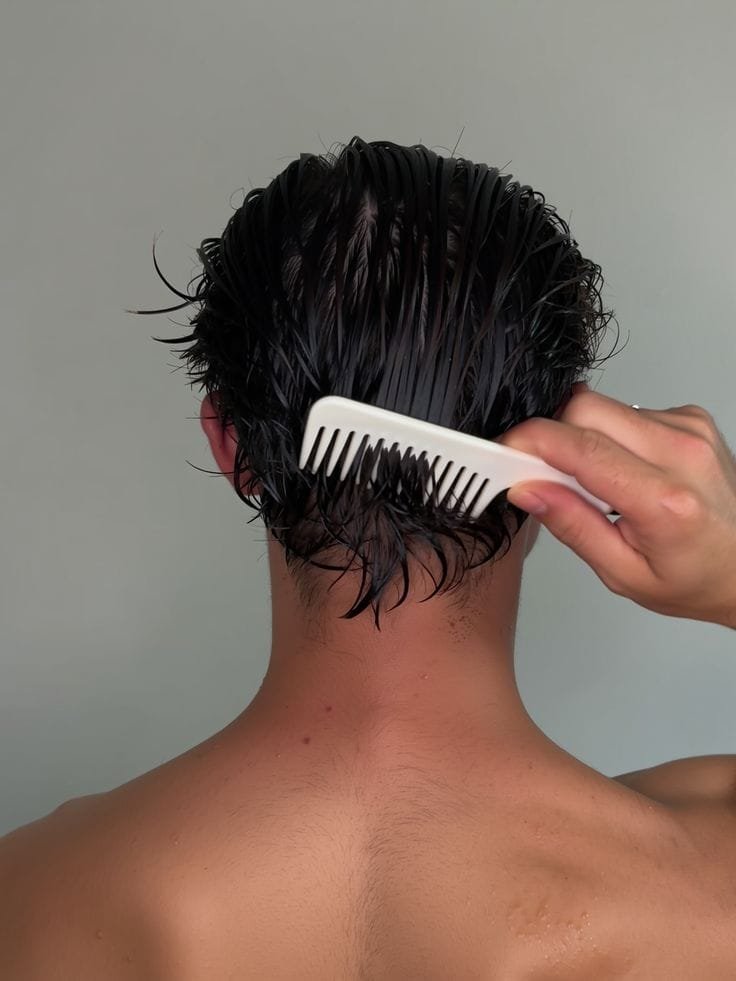
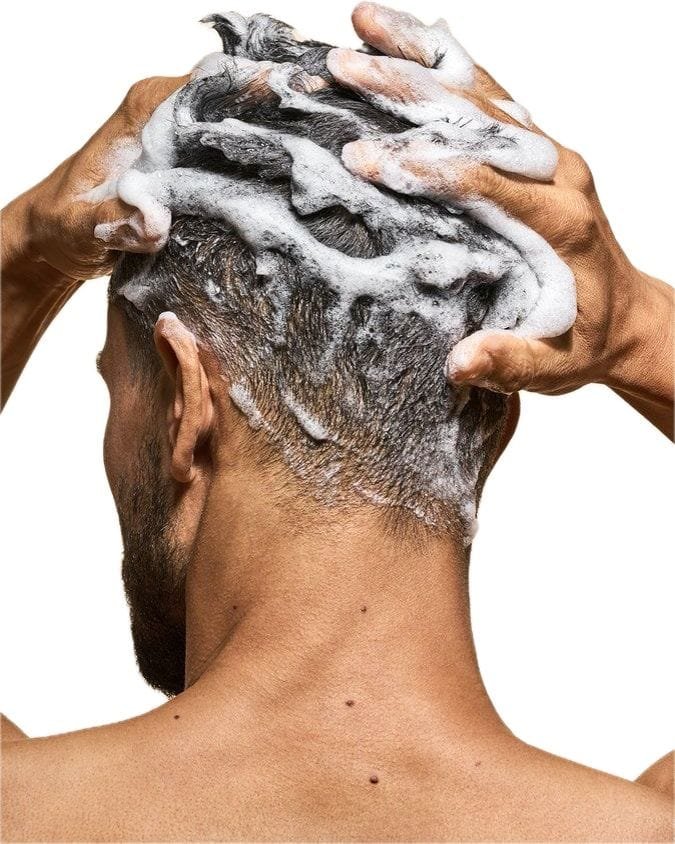
The scalp is skin. It has the same barrier, the same oil glands, the same vulnerability to buildup, inflammation, and imbalance as your face — except it’s covered in hair, which makes problems harder to see and easier to ignore until they’ve already progressed. By the time thinning becomes visible in the mirror, the underlying scalp environment has often been struggling for months, sometimes years. That’s the real argument for hair and scalp regimens: they’re preventative, not reactive.
This guide walks through what a proper hair and scalp regimen actually involves, why most men get it wrong, and how to build a routine that supports both scalp health and hair retention long-term.
Why the Scalp Gets Ignored — And Why That’s a Mistake
Part of the problem is visibility. A breakout on your cheek is obvious the second you look in the mirror. Scalp buildup, excess oil, or early follicle stress hide under hair, so there’s no immediate visual feedback pushing you to address it. Men and scalp care usually only intersect once something has already gone wrong — noticeable shedding, an itchy or flaky scalp, or hair that feels thinner than it used to.
The other part of the problem is messaging. Shampoo commercials sell shine and fragrance, not scalp biology. Nobody’s marketing “balanced sebum production” the way they market retinol or vitamin C. So most men never learn that a healthy scalp environment is a prerequisite for healthy hair growth, not a separate, optional concern.
A real hair and scalp regimen treats the scalp the way a skincare regimen treats the face: as living skin that needs cleansing, balance, and targeted support — not just something hair happens to grow out of.
What’s Actually Happening On Your Scalp
Your scalp contains thousands of hair follicles, each surrounded by sebaceous glands producing natural oils. In a balanced state, this oil protects the scalp and keeps hair conditioned. When that balance shifts — from stress, hormones, poor diet, harsh products, or lack of cleansing — a few things start to go wrong.
Excess sebum combines with dead skin cells, product residue, and environmental debris to form buildup. That buildup can clog follicles, creating a low-grade inflammatory environment that isn’t dramatic enough to notice day-to-day, but is more than capable of quietly interfering with the natural hair growth cycle over time. This is one of the most overlooked contributors to gradual thinning — not always genetics alone, but genetics combined with an unmanaged scalp environment making things worse than they need to be.
This is the core reasoning behind structured hair and scalp regimens: address the environment the hair is growing out of, not just the hair itself.
How To Stop Hair Thinning Naturally — Starting With The Scalp
If you’re looking into how to stop hair thinning naturally, the honest answer is that there’s no single miracle step — it’s a combination of consistent habits that support the scalp environment over months, not days. A few of the most evidence-supported approaches include:
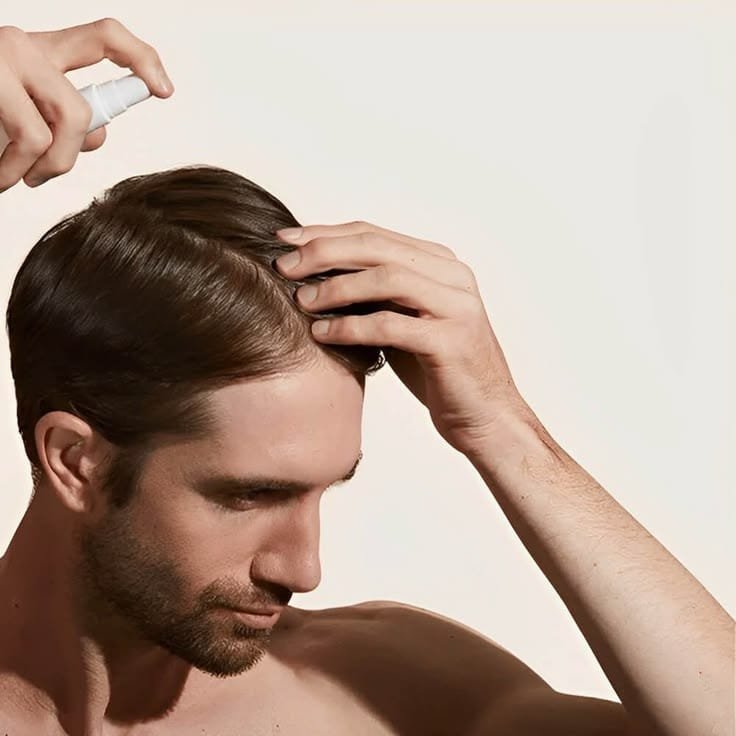
Regular, gentle cleansing to prevent buildup without stripping the scalp barrier. Scalp massage to support circulation, which may help deliver nutrients more effectively to hair follicles. Reducing harsh, sulfate-heavy shampoos used daily, which can chronically irritate the scalp barrier over time. Managing stress, since chronic stress has a well-documented link to accelerated shedding cycles. Ensuring adequate protein and micronutrient intake, since hair growth is metabolically demanding and often one of the first things the body deprioritizes under nutritional stress.
None of these work in isolation, and none of them work overnight. But applied consistently as part of a structured regimen, they represent the most realistic, sustainable answer to how to stop hair thinning naturally — far more reliable than chasing whatever trending product claims overnight results.
Scalp Health For Hair Growth — The Direct Connection
It’s worth spelling out plainly: scalp health for hair growth isn’t a loose correlation; it’s a direct biological relationship. Hair follicles are living structures embedded in scalp tissue, and like any living tissue, they need a stable, well-nourished, low-inflammation environment to function properly.
When scalp health for hair growth is compromised — through chronic buildup, inflammation, or poor circulation — follicles can shift into a shortened growth cycle or premature resting phase, which shows up eventually as thinning or increased shedding. This is why dermatological research increasingly treats scalp conditions as a primary factor in hair retention, not a secondary concern behind genetics or age.
For a deeper look at the actives and mechanisms driving skin renewal, our Molecular Breakdown section covers exactly how ingredients like retinoids and peptides influence cellular turnover — many of the same principles apply directly to scalp tissue as well.
Building A Men’s Scalp Care Routine — Step By Step
A structured men’s scalp care routine doesn’t need to be complicated, but it does need to be consistent. Here’s a practical framework:
Step 1 — Cleanse With Intention
Wash your scalp 2-4 times per week (not necessarily every day) using a shampoo formulated for scalp balance rather than just fragrance or lather. Over-washing can strip natural oils and trigger a rebound in oil production; under-washing allows buildup to accumulate. Finding that middle ground is the foundation of any effective men’s scalp care routine.
Step 2 — Exfoliate Occasionally
Just like facial skin, the scalp benefits from occasional gentle exfoliation to clear dead skin and product buildup that regular shampooing can miss. Once every 1-2 weeks with a scalp-specific exfoliating treatment is generally sufficient — more than that risks irritation.
Step 3 — Support Circulation
Scalp massage, whether done manually or with a simple massaging tool during shampooing, is a low-effort addition to a men’s scalp care routine that may support blood flow to hair follicles. It costs nothing extra and takes under a minute.
Step 4 — Protect From UV and Environmental Stress
The scalp is skin, and skin exposed to the sun needs protection. For men with thinning hair or a visible scalp, incorporating scalp-safe SPF is a step most routines skip entirely. Our UV Defense & Actives Index breaks down exactly how sun exposure affects skin — including scalp skin — and what actually protects against it.
Step 5 — Be Patient and Consistent
Hair growth cycles are slow. Follicles that are struggling don’t recover in a week, and a men’s scalp care routine needs to be followed for a minimum of 8-12 weeks before meaningful changes become visible. Switching routines every few weeks out of impatience is one of the most common reasons men feel like “nothing works.”
Common Mistakes That Undermine Hair & Scalp Regimens
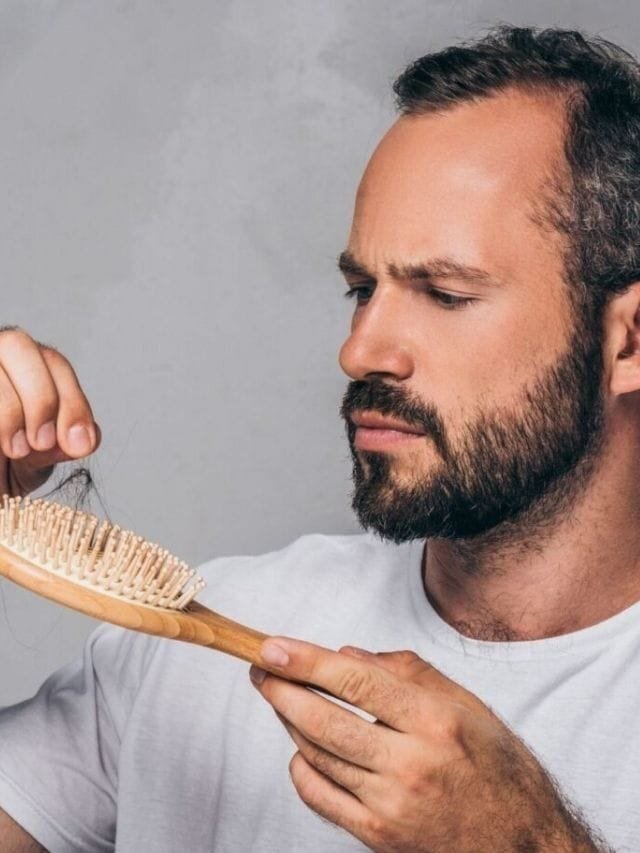
Even well-intentioned routines can backfire when a few key mistakes creep in. Washing hair too aggressively with hot water strips natural protective oils faster than the scalp can replenish them. Skipping scalp care entirely and only focusing on hair strands themselves ignores the root of the problem — literally. Using multiple new products at once makes it impossible to identify what’s actually helping or hurting. And expecting results within days rather than months leads to routine-hopping instead of giving any single regimen the time it actually needs to work.
Avoiding these mistakes often matters more than finding some perfect, exotic product — consistency and correct fundamentals outperform intensity almost every time with hair and scalp regimens.
When To See A Professional
While a solid at-home regimen addresses a large portion of general scalp health and hair thinning prevention, some situations call for professional input — particularly sudden, patchy hair loss, scalp pain or persistent inflammation, or thinning that progresses rapidly despite a consistent routine. A dermatologist can identify whether an underlying condition is at play that a general regimen alone won’t resolve.
Review Dermatica has published in-depth breakdowns of scalp-focused treatments and ingredient research, including how various formulations compare in supporting scalp health for hair growth — worth a look if you want to go deeper into the ingredient science behind specific products.
Frequently Asked Questions About Hair & Scalp Regimens
1: How often should I actually wash my scalp as part of a proper hair and scalp regimen?
Ideal frequency depends on scalp type and activity level, but general guidelines are:
- 2-4 times per week works best for most men following a hair and scalp regimen
- Oilier scalps or frequent workouts → lean toward the higher end (3-4x/week)
- Drier scalps or coarser hair → closer to 2x/week is usually enough.
- Overwashing strips natural oils and can trigger a rebound in oil production.
- Underwashing allows buildup to accumulate and clog follicles.
- Watch your scalp’s feel, not a fixed schedule — tightness/flaking means you’re overdoing it; heaviness/itchiness before the next wash means you need to wash sooner.
2: Can a scalp care routine really help with hair thinning, or is that mostly genetic?
Genetics plays a major role, but scalp health still matters significantly:
- Genetic hair loss can’t be fully reversed by a scalp routine alone
- An unhealthy scalp (buildup, inflammation, poor circulation) can accelerate genetic thinning
- A consistent men’s scalp care routine can slow progression and support remaining healthy follicles
- Non-genetic thinning (stress, poor hygiene, nutrition) responds much more strongly to a proper regimen
- Think of it as removing controllable obstacles, not a guaranteed cure
3: What are the earliest warning signs that my scalp health needs attention?
Watch for these signs before thinning becomes visually obvious:
- Noticeably increased hair shed while showering or brushing
- Persistent itchiness or tightness even shortly after washing
- Visible flaking or buildup along the hairline or part
- Scalp appearing redder or more irritated than usual
- Hair feeling finer or less dense in specific areas
If two or more of these show up consistently for several weeks, it’s time to start or tighten up a proper hair and scalp regimen.
4: How long does it take to stop hair thinning naturally through a scalp regimen?
Results build gradually, following roughly this timeline:
- Weeks 2-4: This is usually the earliest phase where changes become noticeable, and it’s mostly about comfort rather than visible hair improvement. You’ll typically notice less itchiness, less tightness after washing, and reduced visible flaking or buildup along the hairline and part. The scalp starts feeling calmer overall, though this stage is really about the scalp environment settling down, not hair growth itself yet.
- Weeks 6-12: As the scalp continues to stabilize, shedding often starts to visibly reduce during this window. You may notice fewer hairs coming out while showering or brushing, and the scalp generally feels less reactive or sensitive than it did at the start. This is usually the first stage where the regimen’s impact on hair itself, not just scalp comfort, becomes apparent.
- Months 3-6: This is where the more meaningful, visually noticeable changes tend to show up — improved hair density, a fuller look in areas that previously seemed thinner, and stronger-feeling hair overall. Since hair growth cycles operate over months rather than weeks, this stage reflects the cumulative effect of a consistently maintained scalp environment over that longer period.
- Full results require consistent effort: None of these timelines hold up if the routine isn’t followed consistently. Switching products or routines every few weeks — out of impatience or because results aren’t showing up fast enough — resets this entire process and makes it impossible to actually judge whether a regimen is working. Sticking with one structured approach for the full 3-6 month window is what separates men who see real results from men who feel like “nothing works” despite trying dozens of products.
5: Is scalp exfoliation actually necessary, or can regular shampooing handle buildup on its own?
Shampooing alone often isn’t enough, especially for certain scalp types:
- Regular shampoo removes surface-level oil and light debris only
- Dead skin, product residue, and sebum can bond together and resist shampoo alone
- Buildup tends to accumulate most around the roots and hairline
- Occasional exfoliation (once every 1-2 weeks) with a scalp-specific scrub or treatment clears this residue effectively
- Especially useful for men who use styling products, sweat frequently, or have oilier scalps
Bringing It All Together
A real hair and scalp regimen isn’t about chasing the next trending product — it’s about treating your scalp the way you’d treat any other part of your skin: with consistent cleansing, balance, protection, and patience. Combine that with realistic habits around how to stop hair thinning naturally, and you’re addressing the actual environment your hair depends on, not just the visible symptoms on the surface.
For men serious about long-term hair health, scalp health for hair growth isn’t a side note — it’s the foundation everything else builds on. Start there, stay consistent, and give it the months it actually needs before judging whether it’s working.
For a full breakdown of how to structure this alongside your daily face routine, visit gentarmor.com for the complete grooming framework this regimen fits into.
Author & Reviewer Credit:
Written by Asim (Newaj Hossain Asim) — Founder & Lead Analyst at Gent Armor. Researches and writes in-depth, science-backed grooming content for men, focused on practical routines that actually hold up over time.
Reviewed by Tahmina Zannat Lamya — Clinical & Formulation Research Lead. Verifies the ingredient science and clinical accuracy behind every regimen recommended on this page, ensuring claims align with current dermatological research.